

Author’s Note: This article is an educational case study written for analytical purposes. All statistics, match results, and season outcomes referenced for the 2025–26 Premier League campaign are hypothetical and based on a simulated scenario for illustrative storytelling. No actual results from that season are confirmed or predicted.
The Fall: Sunderland’s Double Relegation from Premier League to League One
A Case Study in Institutional Collapse
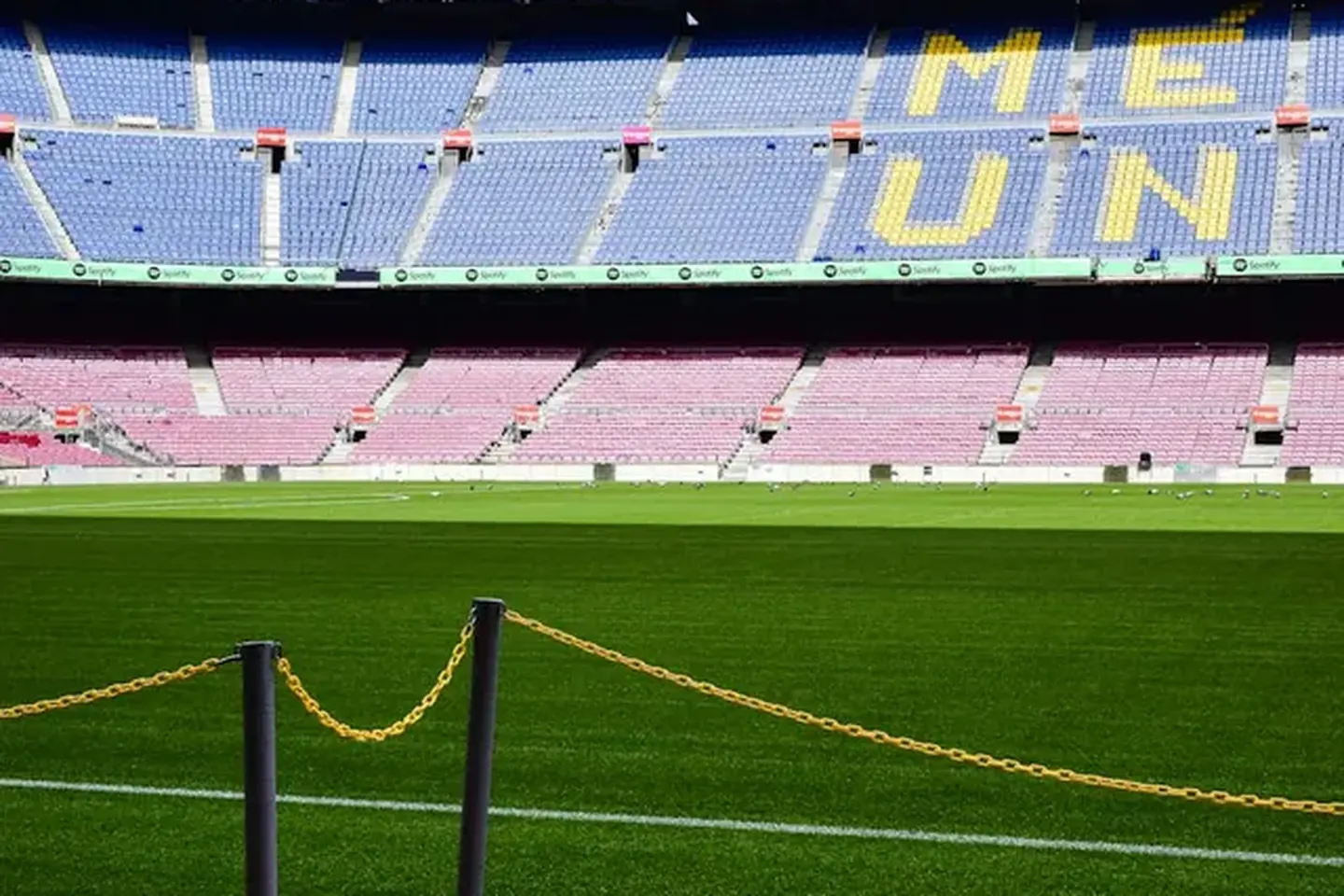
In the pantheon of English football’s most dramatic declines, few stories match the sheer velocity and depth of Sunderland AFC’s double relegation between 2017 and 2018. For a club with six First Division titles, a 49,000-seat Stadium of Light, and a fanbase that once marched 40,000 strong to London for a League One trophy final, the descent from Premier League stability to the third tier in just two seasons represents more than a statistical anomaly—it is a masterclass in how poor governance, squad mismanagement, and cultural inertia can dismantle a football institution.
This case study dissects the structural failures that precipitated Sunderland’s fall, contextualizes it within the club’s broader history, and extracts lessons relevant to any club navigating the perilous waters of English football’s pyramid. As Sunderland prepares for a potential Premier League return, understanding the scars of 2017–18 is essential for appreciating how far the club has come—and how fragile its recovery remains.
The Precipice: Premier League Stability to Relegation (2016–17)
Sunderland’s Premier League survival act had become something of a dark art by the mid-2010s. Under a succession of managers—Sam Allardyce, Dick Advocaat, Gus Poyet, Paolo Di Canio—the club consistently defied relegation odds, often on the final day. The 2016–17 season, however, exposed the limits of that strategy.
| Season | Final Position | Points | Goal Difference | Manager(s) |
|---|---|---|---|---|
| 2015–16 | 17th | 39 | -14 | Allardyce |
| 2016–17 | 20th | 24 | -40 | Moyes |
| 2017–18 (Championship) | 24th | 37 | -33 | Grayson, Coleman |
The table above illustrates the cliff edge. After Allardyce departed for the England job in July 2016, owner Ellis Short appointed David Moyes—a manager whose reputation had been severely damaged by his ill-fated tenure at Manchester United. Moyes inherited a squad that had been assembled through short-term fixes: aging players on high wages, loan signings with no long-term value, and a fractured dressing room.
The 2016–17 campaign was a death by a thousand cuts. Sunderland won only six league matches all season. Jermain Defoe’s 15 goals masked deeper structural issues: the midfield lacked creativity, the defense conceded 40 goals, and the club’s recruitment strategy had become reactive rather than strategic. Moyes’s public comments—including a remark that the club was “a mess” and that players lacked character—further eroded morale.
Relegation was confirmed with a 1–0 loss to Bournemouth on 29 April 2017. The final tally: 24 points, the club’s lowest Premier League total since the 2005–06 season.
The Championship Collapse (2017–18)
If the Premier League relegation was painful, the Championship campaign that followed was catastrophic. Sunderland entered the second tier with a squad stripped of its best assets: Defoe departed for Bournemouth, Jordan Pickford was sold to Everton for £30 million, and the loan players returned to their parent clubs. The recruitment that followed—free transfers and bargain-bin signings—reflected a club operating without a coherent plan.
Simon Grayson was appointed manager in June 2017, tasked with an immediate return. Yet the squad he inherited was both thin and unbalanced. Key signings—like midfielder Aiden McGeady and defender Lamine Koné—were talented but inconsistent. The club’s financial constraints, exacerbated by the loss of Premier League parachute payments, meant that quality depth was nonexistent.
Grayson was sacked in October 2017 after a 3–3 draw at Bolton left Sunderland 22nd in the table. His replacement, Chris Coleman, arrived with a reputation forged at Wales’s 2016 Euro semi-final run, but the damage was already systemic.

| Metric | 2017–18 Sunderland (Championship) | League Average |
|---|---|---|
| Points | 37 | 61 (median) |
| Goals Scored | 52 | 63 |
| Goals Conceded | 85 | 58 |
| Home Win % | 26% (6 wins) | 40% |
| Away Loss % | 57% (13 losses) | 35% |
Coleman’s tenure was marked by tactical inconsistency and a squad that seemed to have lost its identity. The defense was porous—conceding 85 goals, the worst in the division—while the attack lacked a consistent finisher. Lewis Grabban, on loan from Bournemouth, scored 12 goals but was recalled in January, leaving Sunderland with no reliable striker.
Off the pitch, the atmosphere at the Stadium of Light turned toxic. Protests against owner Ellis Short became routine. The fanbase, one of the most loyal in English football, began to fragment: attendances dropped from an average of 43,000 in the Premier League to 30,000 in the Championship, a stark indicator of disillusionment.
The final relegation was confirmed on 21 April 2018, a 2–1 home defeat to Burton Albion. Burton, a club with a stadium capacity of 6,912, had just relegated a club with six English titles. The symbolism was brutal.
Cultural and Structural Roots of the Fall
To understand the double relegation, one must look beyond the 2017–18 season. The seeds of decline were planted years earlier, during Sunderland’s Premier League survival era.
Ownership Instability
Ellis Short, an American billionaire, purchased Sunderland in 2008 with ambitions of establishing the club as a top-half Premier League side. By 2013, however, his interest had waned. Investment in the squad dried up, and Short’s focus shifted to selling the club—a process that dragged on for years. The lack of a clear ownership vision created a vacuum that managers and directors of football filled with short-term decisions.
Recruitment Dysfunction
Between 2012 and 2017, Sunderland’s transfer policy was defined by panic buys and loan gambles. The club spent over £150 million on players during that period, yet the net result was a squad with no core identity. High-wage veterans like Steven Pienaar, John O’Shea, and Billy Jones were signed on expiring contracts, while younger talent was either sold or underutilized.
The academy, historically a source of pride, produced few first-team regulars during this era. Jordan Pickford’s emergence was the exception, not the rule. The club’s failure to integrate youth into the senior squad meant that when the financial crunch came, there was no pipeline of cheap, homegrown talent to fall back on.
Managerial Carousel
From 2011 to 2018, Sunderland employed eight permanent managers. Each brought a different philosophy, forcing the squad to adapt to new systems every season. This churn prevented the development of a cohesive playing style and eroded player confidence. Moyes’s admission that the club was “a mess” was not a revelation—it was a symptom of a deeper cultural rot.
The Role of ‘Sunderland ‘Til I Die’
The Netflix documentary series Sunderland ‘Til I Die, which premiered in 2018, captured the club’s fall in real-time. Filmed during the 2017–18 Championship season, the series offered an unfiltered look at the human cost of relegation: the despair of fans, the pressure on staff, and the emotional toll on players.
The documentary became a cultural phenomenon, introducing Sunderland’s story to a global audience. It humanized the club’s suffering and, paradoxically, strengthened the bond between the fanbase and the institution. For many viewers, Sunderland became the embodiment of football’s romantic tragedy—a once-great club brought low by forces beyond its control.
Yet the series also exposed uncomfortable truths. The boardroom scenes showed a club in chaos: Short’s detachment, the lack of a clear succession plan, and the difficulty of selling a club with mounting debts. The documentary did not cause the decline, but it ensured that the world watched it happen.
Lessons for a Potential Premier League Return
As Sunderland looks toward a possible Premier League return, the lessons of 2017–18 remain relevant.
1. Stability Over Short-Term Fixes
The current ownership, led by Kyril Louis-Dreyfus, has focused on structural stability. A director of football, consistent managerial appointments, and a data-driven recruitment model are intended to replace the chaos of the Short era. Any promotion would ideally be built on a foundation of patience, not panic.2. Academy Investment
Sunderland’s academy has produced several first-team regulars in recent seasons, reducing reliance on expensive transfers and providing a core of players with emotional investment in the club. This pipeline is critical for sustaining success in the top flight.3. Fan Engagement
The fanbase’s loyalty, tested by relegation, has become a competitive advantage. The “Roker Roar” is no longer just a nostalgic memory; it is a tangible force at the Stadium of Light. Maintaining this connection requires transparency from the board and a sense of shared purpose.4. Financial Discipline
The Premier League’s Profit and Sustainability Rules (PSR) impose limits on spending. Sunderland must avoid the trap of overpaying for aging stars and instead focus on value signings that align with the club’s long-term vision.Conclusion: From Ruins to Renaissance?
Sunderland’s double relegation of 2017–18 was not an accident—it was the logical outcome of years of mismanagement. The club’s fall from the Premier League to League One in two seasons serves as a cautionary tale for any institution that prioritizes survival over growth, short-term results over long-term planning, and individual egos over collective identity.
Yet the story is not one of unrelenting despair. The same fanbase that watched their club fall to Burton Albion also filled Wembley Stadium for the 2019 EFL Trophy final. The same academy that produced no stars in 2017 now supplies the first team. The same club that was a laughingstock is now aiming for a return to the Premier League.
The question is not whether Sunderland can survive in the top flight—it is whether the lessons of the fall have been truly learned. History suggests that football clubs, like ecosystems, are fragile. One misstep, one bad transfer window, one ownership dispute, and the descent can begin again.
For Sunderland, the double relegation was a wound that took years to heal. The scar remains. But scars, after all, are proof that the body survived.
For further reading on Sunderland’s journey, explore our 2025–26 season review and predictions and the upcoming [Sunderland vs Chelsea fixture analysis](/sunderland-chelsea-24-may-2026-prediction].
Reader Comments (0)