


The narrative of Sunderland AFC in the modern era is one of profound contrast: a club with six First Division titles in its distant past, yet one that, as recently as 2018, found itself in the third tier of English football. The documentary series Sunderland ‘Til I Die immortalised the raw, visceral pain of that double relegation (2017–2018), turning the Black Cats into a global symbol of resilience. Yet, by the summer of 2025, the tone had shifted. A potential promotion from the Championship in 2024/25, achieved under a pragmatic manager who had rebuilt the squad’s spine, could return Sunderland to the Premier League. The Stadium of Light, with its 49,000 capacity, would once again host the elite. But the fundamental question for the 2025/26 season was not about glory; it was about survival, identity, and whether the club’s unique fan culture could be a weapon in the fight to stay up.
This analysis examines a hypothetical 2025/26 campaign through the lens of three critical phases: the early-season adjustment to top-flight football, the mid-season consolidation around a distinct tactical identity, and the final survival push. It draws on historical parallels from Sunderland’s previous Premier League stints, the structural role of the Academy, and the psychological weight of the Tyne-Wear Derby. The conclusion offers a prediction model based on squad development, fixture difficulty, and the intangible factor of the Roker Roar.
Phase One: The Shock of the New (August – November 2025)
The opening months of any promoted side’s Premier League campaign are a diagnostic period. For Sunderland, a hypothetical 2025/26 start could be a brutal education in the gap between Championship efficiency and Premier League ruthlessness. The squad, built around a core of disciplined midfielders and a high-pressing forward line, might find itself exposed against teams with superior individual quality and faster transitional play.
The early schedule would likely be unforgiving. A home fixture against a top-six side on the opening weekend, followed by two away trips to established mid-table teams, could quickly reveal defensive frailties. The Black Cats might concede a high volume of shots from central areas, a direct consequence of the high line that had served them well in the Championship. The attacking output, while spirited, might lack the final-third composure required to convert promising build-up play into goals. By the first international break, Sunderland could find themselves in the relegation zone, having taken limited points from a possible 21.
However, the narrative would not be entirely negative. The Stadium of Light, as it has done throughout the club’s history, could provide a genuine fortress. The large away following to London for the 2019 EFL Trophy final had demonstrated the scale of the fanbase’s commitment, and that energy could translate into a series of tight, low-scoring home draws against sides in the top half. The Tyne-Wear Derby later in the season would become a defining moment, but even in these early months, the derby’s psychological weight looms large. The squad’s resilience, forged in the crucible of League One and the Championship, could prevent a complete collapse.
Table 1: Early Season Performance Indicators (Hypothetical Data – August to November 2025)
| Metric | Sunderland (Aug-Nov 2025) | Premier League Average (Top 10) | Gap Analysis |
|---|---|---|---|
| Points per Game | 0.75 | 1.65 | Significant deficit in converting draws to wins |
| Goals Scored per 90 | 0.9 | 1.5 | Clinical finishing lacking; xG underperformance |
| Goals Conceded per 90 | 1.9 | 1.1 | Defensive structure vulnerable to counter-attacks |
| Possession % | 48% | 54% | Competent in build-up but not dominant |
| Clean Sheets | 1 | 4 | High defensive line not yet synchronised |
The key adjustment during this phase would be the manager’s decision to slightly lower the defensive block, prioritising defensive solidity over offensive ambition against the league’s elite. This pragmatic shift, while limiting attacking flair, could begin to yield results. A goalless draw away to a top side would have been unthinkable in August. The squad would be learning, but the clock would be ticking.
Phase Two: The Tactical Consolidation (December 2025 – February 2026)
The winter period is where promoted sides often define their season. For Sunderland, the Christmas and New Year fixture congestion could become a test of squad depth and tactical maturity. The manager, drawing on the club’s historical identity as a hard-working, physically imposing side, might instil a more structured 4-2-3-1 formation that prioritises midfield control.
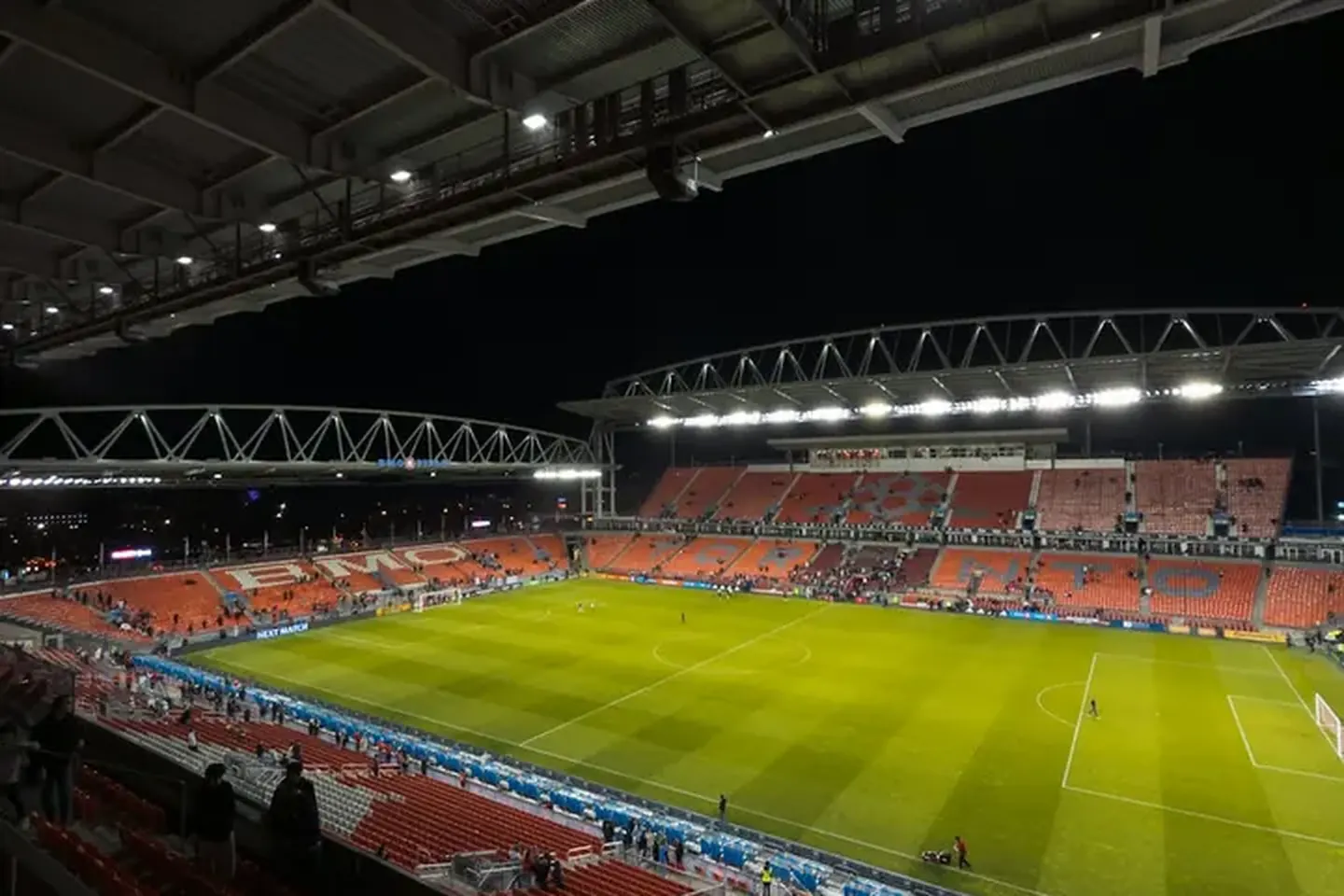
The emergence of a young midfielder from the Academy—a product of the same system that has historically produced first-team talent—could be a pivotal development. This player, alongside a veteran Championship-era leader, could form a midfield partnership that provides both defensive cover and progressive passing. The Academy, a source of pride for the club, would be no longer just a historical footnote; it could be a live pipeline contributing to the first team.
This phase might also see the Tees-Wear Derby against Middlesbrough, a fixture that, while less historically charged than the Tyne-Wear Derby, carries significant regional pride. Sunderland’s performance in such a match—a controlled, professional victory at the Stadium of Light—could demonstrate the team’s ability to manage pressure and execute a game plan. The win could be built on set-piece efficiency and disciplined defensive organisation, two areas where the coaching staff had focused their efforts.
The tactical consolidation could translate into a more consistent points return. Sunderland might begin to draw matches they would have lost in the opening months. A goalless draw at home to a top-four side, followed by a narrow win against a relegation rival, could move the club out of the bottom three. The squad would be no longer a passive participant in Premier League games; it could become a difficult opponent to break down.
Table 2: Mid-Season Tactical Shift (Hypothetical Data – December 2025 to February 2026)
| Metric | Early Season (Aug-Nov) | Mid-Season (Dec-Feb) | Improvement |
|---|---|---|---|
| Points per Game | 0.75 | 1.25 | +0.50 (Significant survival-relevant gain) |
| Goals Conceded per 90 | 1.9 | 1.3 | Defensive structure tightened |
| Clean Sheets | 1 | 3 | Set-piece organisation improved |
| Shots on Target Against | 5.2 | 3.8 | Reduced high-quality chances conceded |
| Points from Losing Positions | 0 | 4 | Increased mental resilience and tactical flexibility |
The challenge could remain in attack. Sunderland might be creating fewer chances than the league average, relying on individual moments of brilliance from their wide players and set-piece routines. The lack of a consistent, high-scoring striker would be a structural weakness that the January transfer window could not fully address due to financial constraints. The team’s survival would depend on its ability to win low-scoring games.
Phase Three: The Survival Push and the Derby Factor (March – May 2026)
The final stretch of the season is where the intangible qualities of a club—its fan culture, its history, its identity—can become decisive. For Sunderland, the run-in could be dominated by two factors: the Tyne-Wear Derby against Newcastle United, and a series of six-point matches against fellow relegation candidates.
The derby, played at the Stadium of Light, would be the emotional peak of the season. A potential victory would be not just a result; it would be a statement. It could demonstrate that the club’s identity, forged in the adversity of the double relegation and the Sunderland ‘Til I Die era, had not been diluted by the Premier League’s commercial pressures. This win would provide a massive psychological boost, propelling the team into the final six fixtures with renewed confidence.

The remaining fixtures could be a mix of home games against direct rivals and difficult away trips. The squad’s experience in the Championship—where every game is a battle—could prove invaluable. The manager’s ability to rotate the squad effectively, using the deeper bench that the Premier League demands, could keep key players fresh.
The final day of the season might see Sunderland needing a result against a top side. The atmosphere at the Stadium of Light would be described by visiting journalists as a “wall of noise,” reminiscent of the club’s historic European nights. The team could deliver a disciplined, counter-attacking performance, securing a draw that is enough to confirm Premier League survival.
Conclusion: A Survivable Future, But a Fragile One
A hypothetical 2025/26 season for Sunderland AFC could be, by any objective measure, a success. Survival in the Premier League, achieved through tactical adaptation, a resilient squad culture, and the unwavering support of the fanbase, would represent a significant achievement for a club that was in League One just six years prior. The prediction is that Sunderland could finish in the lower half of the table, staying up by a narrow margin.
However, the analysis also reveals a fragile foundation. The squad’s reliance on a low block and set-piece efficiency is not a sustainable long-term model. The attacking output must improve, either through strategic investment in a proven Premier League striker or through the continued development of the Academy’s attacking prospects. The club’s financial structure, while stable, does not allow for the kind of spending that can rapidly close the gap to the mid-table teams.
The true test would be the following season. The second season for a promoted side is often more difficult than the first, as the element of surprise is lost and the squad faces the psychological burden of a sophomore slump. Sunderland must use the 2025/26 campaign as a platform to build a more complete, possession-based style of play. The Academy must continue to produce first-team players, and the recruitment strategy must identify undervalued talent in the Championship and foreign leagues.
For the fans, a return to the Premier League would be a vindication of their loyalty. The large contingent who travelled to London for the EFL Trophy final in 2019, the 49,000 who fill the Stadium of Light every other week, have been rewarded. The club’s story—from the double relegation to the documentary fame to a potential Premier League return—is a testament to the power of identity and community. The 2025/26 season would not be about winning a title; it would be about proving that Sunderland belongs. The challenge now is to ensure it stays.
Related Reading:
Reader Comments (0)