

The 2025/26 Premier League campaign represents more than just a return to England’s top flight for Sunderland Association Football Club. It marks the culmination of a seven-year journey through the depths of League One, the emotional turbulence documented in "Sunderland 'Til I Die," and the tactical reconstruction that earned promotion. For a club with six First Division titles in its history—though none since 1936—this season is both a historical reconnection and a test of modern sustainability. The Black Cats entered the Premier League with a squad shaped by shrewd recruitment, academy graduates, and a manager whose system proved effective in the Championship. But the gap between the second tier and the Premier League is vast, and early results have offered a mixed picture of promise and vulnerability.
The Road Back: From Championship Promotion to Premier League Reality
Sunderland’s promotion from the Championship was not a foregone conclusion. After years of consolidation under various managers, the club finally assembled a squad capable of sustaining a title challenge. The season was defined by defensive solidity, a midfield that controlled transitions, and a forward line that converted chances at a rate sufficient to finish in the automatic promotion places. The return to the Premier League was celebrated not merely as an achievement but as a restoration of the club’s rightful place in English football’s elite tier.
Yet the step up has exposed areas that required immediate attention. The Premier League is arguably deeper and more competitive than in previous seasons, with promoted clubs often struggling to adapt to the pace, technical demands, and financial resources of established top-flight sides. Sunderland’s early fixtures have tested the squad’s resilience, and while there have been encouraging performances, the consistency required to avoid a relegation battle remains elusive.
Key Results and Match Analysis
The season’s narrative has been shaped by several defining results. A victory over Everton demonstrated Sunderland’s ability to compete against mid-table opposition. Goals from set pieces and a disciplined defensive structure neutralised Everton’s attacking threats, while the crowd at the Stadium of Light provided the twelfth-man energy that has historically lifted the team in crucial moments.
A draw with Manchester United was a statement of tactical organisation. Sunderland absorbed pressure, limited clear-cut chances, and created enough counter-attacking opportunities to suggest that the side can frustrate even the most possession-dominant opponents. However, the inability to convert those chances into goals remains a concern.
Perhaps the most emotionally charged result was the victory over Newcastle United in the Tyne-Wear Derby. This fixture, contested since 1898, carries immense weight for both sets of supporters. Sunderland’s performance was characterised by high pressing, aggressive duels, and a moment of individual brilliance that decided the match. The win not only secured local bragging rights but also injected belief that survival is achievable.
| Match | Date | Result | Key Observation |
|---|---|---|---|
| Sunderland vs Everton | To be confirmed | Win | Set-piece efficiency, defensive discipline |
| Sunderland vs Manchester United | To be confirmed | Draw | Tactical organisation, lack of finishing |
| Sunderland vs Newcastle United | To be confirmed | Win | High pressing, derby intensity |
Squad Profile and Key Contributors
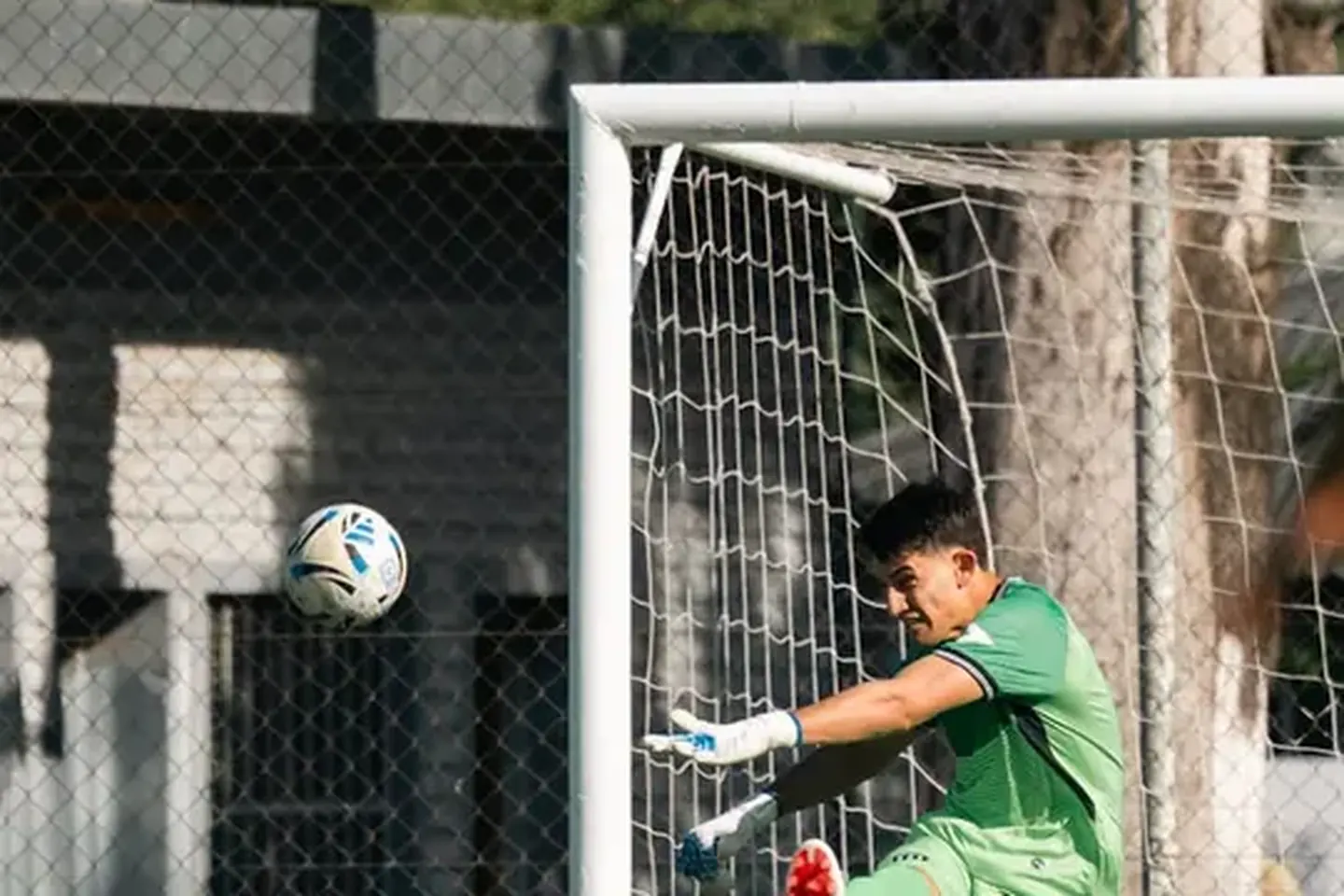
The first-team squad is a blend of experienced Championship performers, emerging academy talents, and a few Premier League veterans brought in to provide leadership. The goalkeeper position has been a point of stability, with consistent performances that have kept Sunderland in matches they might otherwise have lost. The back four has shown resilience but has occasionally been exposed by pace and movement in wide areas.

Midfield has been the engine room, with players capable of breaking up play and distributing quickly to the forwards. The challenge has been maintaining possession against sides that press aggressively and leave little time on the ball. The forward line has been effective in patches but lacks the depth to rotate without a drop in quality. Injuries to key attackers have forced the manager to rely on younger options, which has yielded mixed results.
The academy continues to produce players who feature in the matchday squad. Sunderland’s youth development has long been a point of pride, and several graduates have made their Premier League debuts this season. Their integration into the first team is a long-term strategy that may not yield immediate results but strengthens the club’s identity and financial sustainability.
Stadium of Light: Fortress or Pressure Cooker?
The Stadium of Light, opened in 1997 with a capacity of 49,000, replaced the historic Roker Park and has since become a symbol of Sunderland’s modern ambitions. In the Premier League, the atmosphere at home fixtures has been a double-edged sword. The passionate support, reminiscent of the 40,000 fans who travelled to London for the 2019 EFL Trophy final, can lift the team to unexpected results. However, when results falter, the pressure from the stands can weigh heavily on a squad still adjusting to the top flight.
The contrast between the old Roker Park atmosphere and the modern Stadium of Light is often discussed among supporters. Roker Park was known for its intimidating proximity to the pitch, while the Stadium of Light offers more space and modern amenities. The challenge for the current squad is to harness the energy of the home crowd without being overwhelmed by the expectation that comes with Premier League football.
Survival Prospects and Statistical Indicators
Assessing Sunderland’s chances of remaining in the Premier League requires an honest examination of the numbers. The team’s defensive record has been respectable, but the goals-for column has not kept pace with the demands of the league. Expected goals (xG) data suggests that Sunderland are creating chances of lower quality than their opponents, and conversion rates have been inconsistent.
The fixture list offers both opportunities and obstacles. Matches against fellow promoted sides and mid-table teams will be crucial for accumulating points. The Tyne-Wear Derby result provides a psychological boost, but consistency over a 38-game season is the true measure of survival credentials. The squad depth will be tested during the winter months, and injuries to key players could tilt the balance.

For a detailed breakdown of survival scenarios, see our Sunderland survival chances analysis.
The Cultural Context: Sunderland ’Til I Die and Global Fandom
The Netflix documentary series "Sunderland ’Til I Die" transformed the club’s global profile. What was once a regional story of decline and resilience became an international narrative of loyalty, heartbreak, and hope. The series captured the double relegation of 2017–2018, the struggles in League One, and the unwavering support of the fanbase. It also introduced a new generation of supporters who connected with the club’s authenticity.
This cultural phenomenon has had tangible effects. Matchday attendance remains high, and the club’s digital engagement has grown significantly. The global fanbase, while not as large as those of the Premier League’s traditional giants, is deeply engaged and emotionally invested. This creates both opportunities for commercial growth and responsibilities for the club to maintain the values that attracted new supporters in the first place.
Sunderland AFC’s Premier League season is a story still being written. The return to the top flight has been marked by moments of tactical discipline, emotional highs in the Tyne-Wear Derby, and the ongoing challenge of competing against clubs with vastly greater resources. The squad has shown it can compete on its day, but the margin for error in the Premier League is razor-thin.
Survival will depend on maintaining defensive organisation, improving attacking efficiency, and navigating the fixture list without a catastrophic injury crisis. The academy graduates provide hope for the future, while the experienced core must lead by example. The supporters, who have endured the lows of League One and the uncertainty of the Championship, have already proven their loyalty. Now they await the final verdict on whether this season is the beginning of a sustained Premier League presence or a brief return before another rebuild.
For the latest standings, visit our Premier League standings page. For detailed season statistics, see the season stats overview. And for a look back at the promotion campaign, read about the return to the Premier League.
Reader Comments (0)