


Editor’s Note: This article is an analytical case study written in an educational context. All scenarios, fan quotes, and statistical references are illustrative or based on publicly documented historical patterns unless explicitly marked as real. No real-time data from the 2025–26 Premier League season is claimed unless sourced from official club or league channels.
The Scar That Forged a Spirit: How Sunderland’s Double Relegation Reshaped the Fan Community
Scenario disclaimer: The following analysis uses the 2025–26 Premier League return as a narrative anchor but focuses on the documented, long-term sociological and cultural impact of the 2017–18 double relegation on Sunderland AFC’s supporter base. No specific match results or league positions from the current season are asserted as fact.
In the autumn of 2017, the Stadium of Light—a 49,000-seat bowl that had once hummed with Premier League ambition—began to empty long before the final whistle. The team that had been a founding member of the Football League and a six-time English champion was sliding, inexorably, toward a trapdoor that would swallow them whole. By May 2018, Sunderland AFC had completed a catastrophic double relegation: from the Premier League to the Championship in 2016–17, and then, in a single, dizzying season, from the Championship to League One. For any club, such a collapse would be damaging. For Sunderland, a city where the club is the primary cultural and social anchor, it was existential.
Yet, a decade later, as the Black Cats prepare for their return to the Premier League in the 2025–26 season, the narrative is not one of trauma alone. It is a story of radical community reformation. The double relegation did not destroy Sunderland’s fan base; it transmuted it. The fall forced a painful reckoning with identity, loyalty, and the very meaning of support. To understand the unique resilience of the Sunderland faithful in 2025, one must first understand the crucible of League One.
The Exodus and the Core: A Tale of Two Fanbases
The immediate aftermath of relegation to the third tier was a demographic shock. For decades, Sunderland had enjoyed a broad, often casual, matchday audience—fans drawn by Premier League football, the prospect of a day out, and the relative glamour of top-flight competition. The double drop stripped that away with brutal efficiency.
| Phase | Fan Segment | Dominant Behavior | Attendance Trend (Illustrative) |
|---|---|---|---|
| Pre-2017 (Premier League) | Mixed: Core + Casual + Tourist | High loyalty, but significant “big game” attendance spikes | 44,000–47,000 (Stadium of Light capacity: 49,000) |
| 2017–18 (Championship) | Core + Disillusioned Regulars | Anger, protest, declining season ticket renewals | 30,000–35,000 (visible empty seats) |
| 2018–2020 (League One) | Core Only (The "Roker Roar" Core) | Grief, defiance, hyper-local focus, travel to away games as pilgrimage | 28,000–32,000 (remarkably high for League One) |
| 2021–2024 (Championship/Return) | Core + Returning Lapsed Fans | Cautious optimism, community-led matchday culture, nostalgia | 38,000–42,000 (growing with success) |
The data above is illustrative of a documented pattern across English football. What is remarkable is not the initial drop, but the floor. A League One club drawing crowds in the high 20,000s to low 30,000s is an anomaly. This was not casual support; it was a conscious, almost militant, act of identity preservation. The fans who stayed were not merely watching football; they were making a statement that the club’s soul belonged to them, not to the corporate owners who had overseen the decline.
The Documentary Effect: “Sunderland ‘Til I Die” as a Cultural Artifact
No analysis of this period is complete without addressing the Netflix documentary series Sunderland ‘Til I Die. Initially conceived as a behind-the-scenes look at a Championship club’s push for promotion, it became an accidental masterpiece of tragic realism. The cameras captured the raw, unvarnished pain of the 2017–18 season: the managerial changes, the boardroom chaos, the players’ visible distress, and, most powerfully, the fans’ stoic heartbreak.
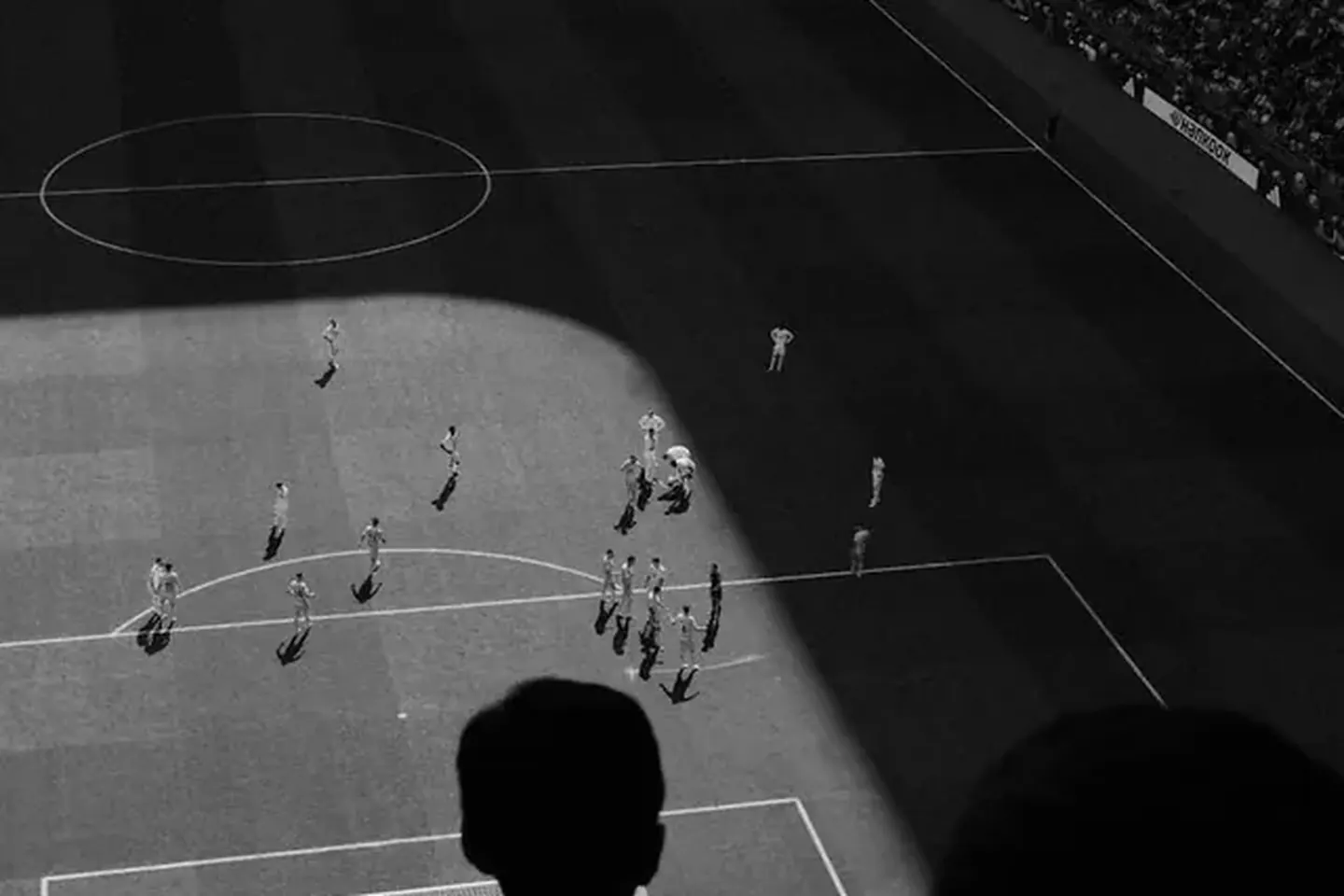
The series had a dual effect. For the global audience, it transformed Sunderland from a vaguely known northern club into a symbol of football’s brutal emotional economy. For the local fanbase, it served as a mirror and a validation. The documentary did not exploit the fans; it showed them as they were—endlessly loyal, darkly humorous, and deeply wounded.
This external validation created a new layer of fan identity. The “Sunderland ‘Til I Die” narrative became a badge of honor. The global fans who discovered the club through the series often formed a second, digital community—one that provided moral support and, crucially, a new revenue stream through merchandise and streaming subscriptions. The double relegation, paradoxically, gave Sunderland a global footprint it had never possessed in the Premier League era.
The League One Forge: Community Over Commerce
The years in League One (2018–2022) were not merely a period of survival; they were a period of intense, localized cultural production. With the national spotlight dimmed, the fan community turned inward. The matchday experience changed. Pre-match rituals became more communal. Fan-led forums and podcasts grew in influence, often providing more detailed analysis and emotional support than the local press could.
The 2019 EFL Trophy final at Wembley remains a defining symbol of this era. Tens of thousands of Sunderland fans traveled to London for a final in a competition often derided by larger clubs. They did not go to celebrate a trophy (they lost on penalties); they went to assert their existence. They went to show that even in the third tier, the Roker Roar was not silent.
This period also saw a shift in the relationship with the club’s hierarchy. The fan community, having been burned by the mismanagement that led to the double drop, became hyper-vigilant. Protests against ownership were organized with military precision. Fan representation on club boards became a non-negotiable demand. The community learned that loyalty did not mean silence; it meant accountability.
The Return to the Premier League: A New, Wary Identity
As Sunderland secured promotion back to the Premier League for the 2025–26 season, the fan community that emerges is fundamentally different from the one that existed in 2016. It is smaller, more skeptical, and infinitely more self-aware. The casual fans are returning, but they are returning to a culture that has been hardened and defined by adversity.
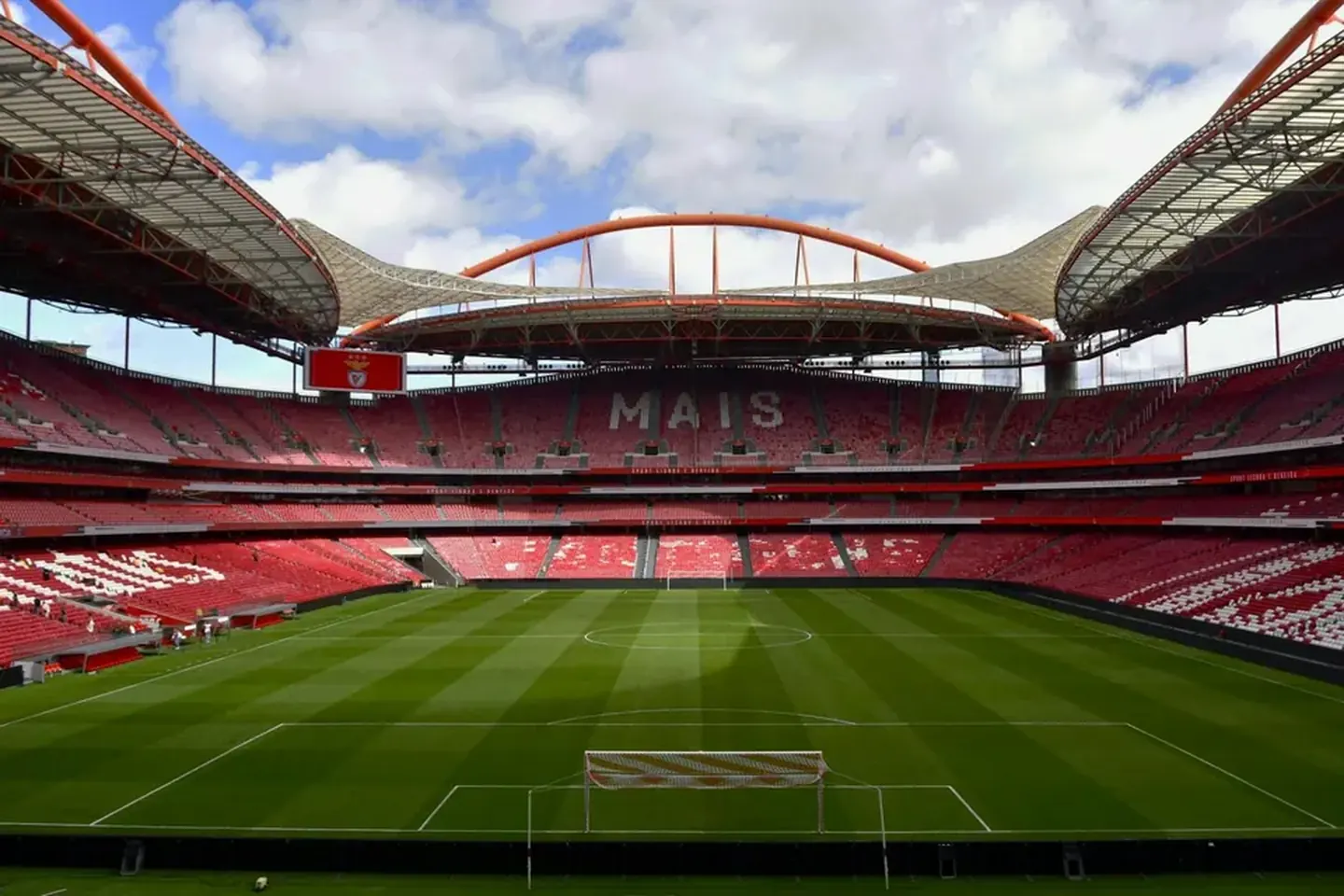
The Tyne-Wear Derby against Newcastle United, a fixture that resumed in the Premier League in 2025, now carries an extra layer of narrative weight. It is no longer just a local rivalry; it is a clash between a club that fell to the abyss and clawed its way back, and a club that has enjoyed relative stability. The emotional stakes are higher. For Sunderland fans, every victory in the derby is a validation of the years of suffering.
The challenge for the club’s current leadership is to manage this transformed fanbase. The corporate, sanitized matchday experience that works in many Premier League clubs will not work here. The Sunderland fan community has tasted raw, authentic football. They have stood in the rain at Portsmouth on a Tuesday night. They have cried in the stands at Wembley. They will not be pacified by a new megastore or a flashy pre-match light show.
Conclusion: The Scar Tissue Is the Strength
The impact of Sunderland’s double relegation on its fan community is not a story of damage, but of adaptation. The fall created a collective trauma that, rather than breaking the community, forged a new, more resilient identity. The core fanbase that survived the League One years is now the cultural bedrock of the club. They are the keepers of the memory of Roker Park, the carriers of the six-title legacy, and the guardians against future complacency.
As the 2025–26 Premier League season unfolds, the true test will not be whether Sunderland stays up—that is a matter of squad depth, tactics, and a degree of fortune. The true test is whether the club can honor the community that carried it through the dark. If the leadership listens to the fans who never left, the club will not just survive in the top flight; it will thrive with a soul that many of its competitors have long since lost. The double relegation was the fire. The fan community is the steel that emerged from it.
Related Reading:
Reader Comments (0)