

The story of Sunderland AFC’s leadership is as layered and dramatic as the club’s journey from its foundation in 1879 to its recent campaigns. From the early days of local businessmen and teacher-led committees to the modern era of multinational consortia and fan-driven ownership, the men and women who have guided the Black Cats have shaped not only the boardroom but the very identity of Wearside. Understanding this history offers a lens through which to view the club’s resilience, its periods of glory, and its most challenging chapters.
The Founding Years: Local Stewardship and the First Title Era
Sunderland AFC was born as Sunderland District & Teachers Association FC in 1879, a product of local educators and community leaders who saw football as a unifying force. The early board was composed largely of schoolmasters, clergymen, and tradesmen, reflecting the club’s roots in the working-class communities of the North East. This amateur leadership oversaw the club’s transition to professionalism in the 1880s, a move that required not only vision but financial backing from wealthy local patrons.
By the 1890s, Sunderland had established itself as a dominant force in English football, winning multiple First Division titles in the late 19th and early 20th centuries. The board during this period, led by figures such as committee chairman John Turnbull and secretary William Cowan, operated with a philosophy of prudent investment. They prioritised scouting talent from Scotland and the wider British Isles, building a squad that became known as “The Team of All Talents.” This era demonstrated that effective leadership, even without vast personal wealth, could yield sustained success when aligned with a clear footballing strategy.
The Mid-Century Transition and Roker Park Stewardship
The post-war decades brought significant change to Sunderland’s boardroom. The club moved away from its amateur committee structure toward a more professionalised model, with directors who brought business acumen and local influence. The 1950s and 1960s saw Sunderland maintain its status in the top flight, though the board faced increasing pressure to invest in infrastructure. The decision to remain at Roker Park rather than pursue a new stadium earlier than the 1990s is often cited as a missed opportunity, though the board of the time argued that financial prudence was necessary to avoid the kind of debt that would later plague other clubs.
Key figures such as chairman Syd Collings and director John Kirkpatrick were instrumental in navigating the club through the financial challenges of the 1970s and 1980s, a period when Sunderland’s league position fluctuated but its fan base remained fiercely loyal. The board’s focus on community engagement and local sponsorship kept the club solvent, even as the broader English game underwent commercialisation. This era laid the groundwork for the transition to the Stadium of Light, a project that would define the next chapter.
The Stadium of Light and the Modernisation Era
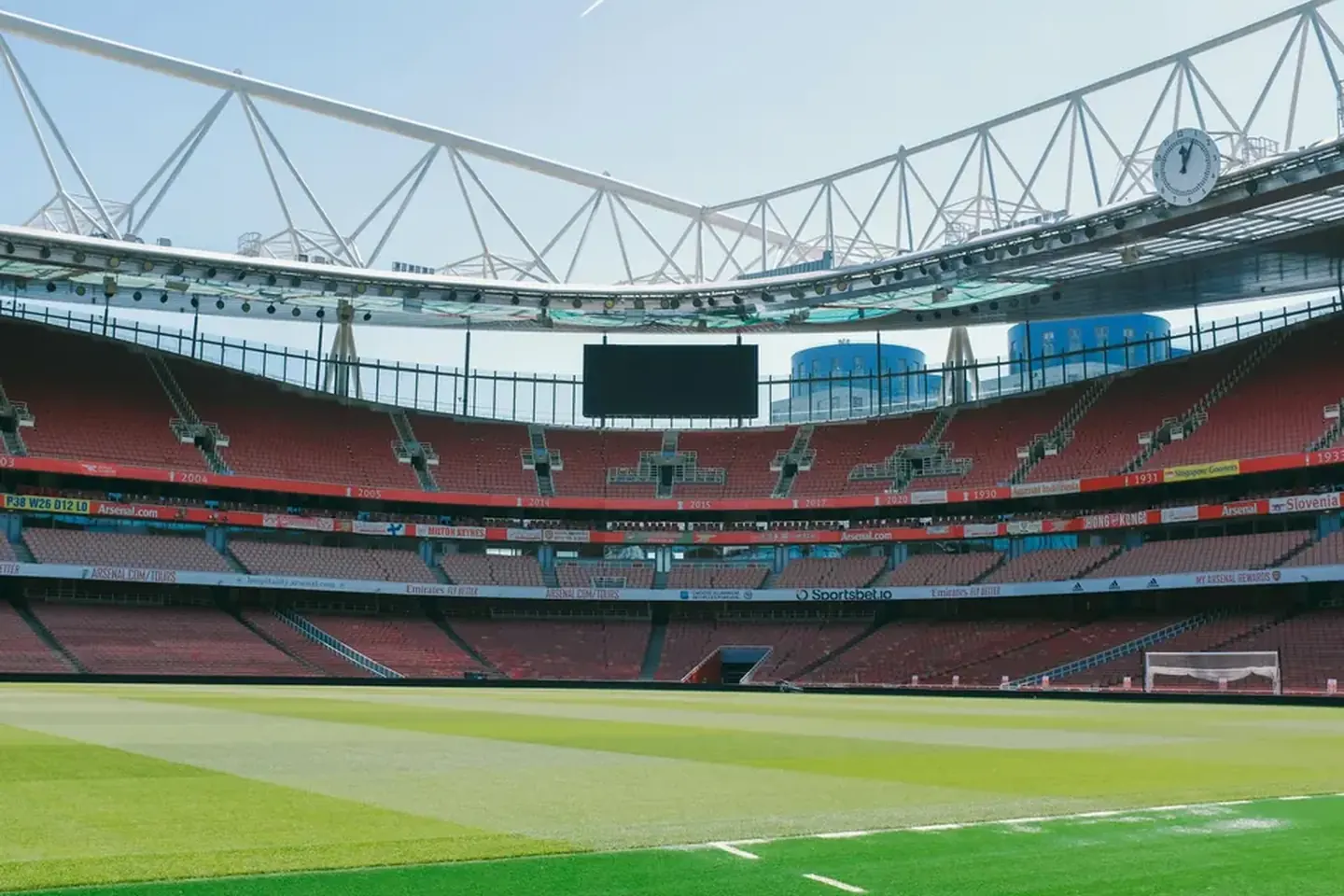
The opening of the Stadium of Light in 1997 was a watershed moment for Sunderland’s leadership. Chairman Bob Murray, who had taken control in 1986, spearheaded the move from Roker Park, investing heavily in a state-of-the-art facility that could seat 49,000 spectators. The board under Murray sought to position Sunderland as a modern, competitive club capable of sustaining Premier League status. This period saw increased commercial revenue and a more professional approach to player recruitment, though the financial demands of top-flight football proved challenging.
Murray’s tenure, which lasted until 2006, was marked by both ambition and controversy. The board’s decision to invest in high-profile signings and managerial changes reflected a desire to break into the upper echelons of English football, but it also created financial vulnerabilities. When Sunderland was relegated in 2006, the board faced criticism for a lack of long-term planning. The subsequent sale of the club to the Drumaville Consortium in 2006, led by Irish businessman Niall Quinn, marked the beginning of a new ownership era.
The Ellis Short Era: Ambition and Decline
The arrival of American financier Ellis Short in 2008, first as a minority shareholder and then as outright owner in 2009, promised stability and investment. Short’s tenure was initially characterised by significant spending on players and infrastructure, with the board aiming to establish Sunderland as a mid-table Premier League club. The appointment of managers such as Steve Bruce and Martin O’Neill reflected a desire for experienced leadership, and the club enjoyed periods of relative success, including a 10th-place finish in 2010–11.
However, the financial realities of the Premier League began to weigh heavily. Short’s decision to reduce investment after 2013, combined with a series of poor managerial appointments and recruitment failures, led to a steady decline. The board’s inability to adapt to the changing financial landscape of English football culminated in the disastrous 2016–17 season, when Sunderland was relegated from the Premier League. The following season brought a further relegation to League One, a double drop that stunned the football world. Short’s ownership, once seen as a lifeline, became synonymous with mismanagement and disconnection from the fan base.
The Stewart Donald Era and Fan Ownership Struggles
In 2018, Stewart Donald, a British businessman, purchased the club from Ellis Short, promising a return to community-focused ownership. Donald’s board included figures such as Charlie Methven, who brought a marketing-driven approach that sought to rebuild the club’s brand. However, the financial constraints of operating in League One, combined with the lingering effects of the double relegation, made progress difficult. The board’s reliance on short-term loans and player sales created instability, and fan frustration grew as the club failed to secure promotion.
The 2019 EFL Trophy final, where tens of thousands of Sunderland fans travelled to London, demonstrated the depth of supporter loyalty but also highlighted the disconnect between the board’s ambitions and the club’s on-field performance. Donald’s tenure was marked by frequent managerial changes and a lack of clear strategic direction, leading to mounting pressure from supporters. By 2020, Donald was actively seeking a buyer, and the club entered a period of uncertainty that would ultimately lead to a new ownership structure.
The Kyril Louis-Dreyfus Era: Restructuring and Return
The acquisition of a controlling stake by Kyril Louis-Dreyfus in 2021 represented a generational shift in Sunderland’s leadership. At a young age, Louis-Dreyfus became one of the youngest chairmen in English football, bringing a background in business and a family legacy of sporting investment. His board, which initially included minority shareholders such as Juan Sartori, focused on financial restructuring, youth development, and rebuilding the club’s reputation.
The Louis-Dreyfus era has been defined by a more measured approach to investment, with an emphasis on data-driven recruitment and long-term planning. The appointment of a manager focused on a coherent footballing philosophy reflected this commitment. The board’s decision to invest in the academy and infrastructure, including improvements to the Stadium of Light, has been widely praised. The club’s subsequent promotion back to the Championship marked a significant step forward, though the challenges of competing at higher levels remain.

Board Composition and Governance Today
The current Sunderland AFC board reflects a blend of international investment and local knowledge. Kyril Louis-Dreyfus serves as chairman, with Juan Sartori holding a significant minority stake. The board also includes mechanisms for fan representation, such as engagement with the Sunderland AFC Supporters’ Trust, ensuring that supporter voices are heard in key decisions. This governance structure, which includes regular fan forums and transparent financial reporting, represents a significant departure from the closed-door approaches of previous eras.
The board’s focus for the future is on sustainable growth. Key priorities include maintaining financial stability through prudent spending, continuing to develop the academy pipeline, and strengthening commercial partnerships. The board has also committed to community engagement, recognising that Sunderland’s identity is deeply tied to its fan base. This approach mirrors the club’s founding principles, creating a sense of continuity that spans more than 140 years.
Comparing Ownership Eras: A Table of Key Characteristics
| Ownership Era | Period | Key Achievements | Challenges Faced | Legacy |
|---|---|---|---|---|
| Founding Committee (1879–1930s) | Amateur stewardship | Multiple First Division titles, establishment of professional status | Limited financial resources, reliance on local patronage | Foundation of club identity and community roots |
| Mid-Century Directors (1940s–1980s) | Local business leaders | Maintained top-flight status, Roker Park development | Financial constraints, missed stadium opportunities | Stability and community focus |
| Bob Murray (1986–2006) | Modernisation | Stadium of Light build, Premier League stability | Financial pressures, relegation in 2006 | Infrastructure legacy, commercial growth |
| Ellis Short (2008–2018) | Foreign investment | Initial spending, mid-table finishes | Double relegation, fan disconnection | Cautionary tale of unsustainable ambition |
| Stewart Donald (2018–2020) | Community-focused | EFL Trophy final, fan engagement | League One struggles, financial instability | Transitional period, fan ownership model |
| Kyril Louis-Dreyfus (2021–present) | Youth-led restructuring | Championship promotion, academy investment | Financial demands of higher divisions | Sustainable growth, fan-aligned governance |
Risks and Challenges Ahead
Despite the optimism surrounding Sunderland’s recent progress, the board faces significant risks. The financial disparity between established top-flight clubs and those in lower divisions is vast, and the club must navigate financial regulations carefully. The board’s reliance on player trading and academy graduates to generate revenue is a sound strategy, but it carries inherent uncertainty. Injuries to key players or a failure to adapt to tactical demands could quickly derail progress.
Another risk lies in maintaining fan trust. The scars of the Ellis Short and Stewart Donald eras remain fresh, and supporters are vigilant about any signs of mismanagement. The board’s commitment to transparency and community engagement will be tested if results on the pitch falter. Additionally, the club’s ownership structure, with multiple stakeholders and potential future investment, requires careful governance to avoid conflicts of interest.
Conclusion: A Legacy of Resilience and Renewal
Sunderland AFC’s leadership history is a testament to the club’s enduring spirit. From the schoolteachers who founded it in 1879 to the current chairman guiding it through modern challenges, each era has contributed to a narrative of resilience, ambition, and community. The current board’s focus on sustainable growth, youth development, and fan engagement offers the best hope for long-term stability. Yet, as the club’s history shows, leadership is never static. The next chapter, whether it brings success in the Championship or further challenges, will be written by the decisions made in the boardroom today. For Sunderland fans, the journey remains as compelling as the destination.
For more on the club’s broader history, explore our club history from 1879 to the present. To understand the impact of the documentary series that captured the club’s recent struggles, read our analysis of Sunderland ‘Til I Die and its global fanbase.
Reader Comments (0)