

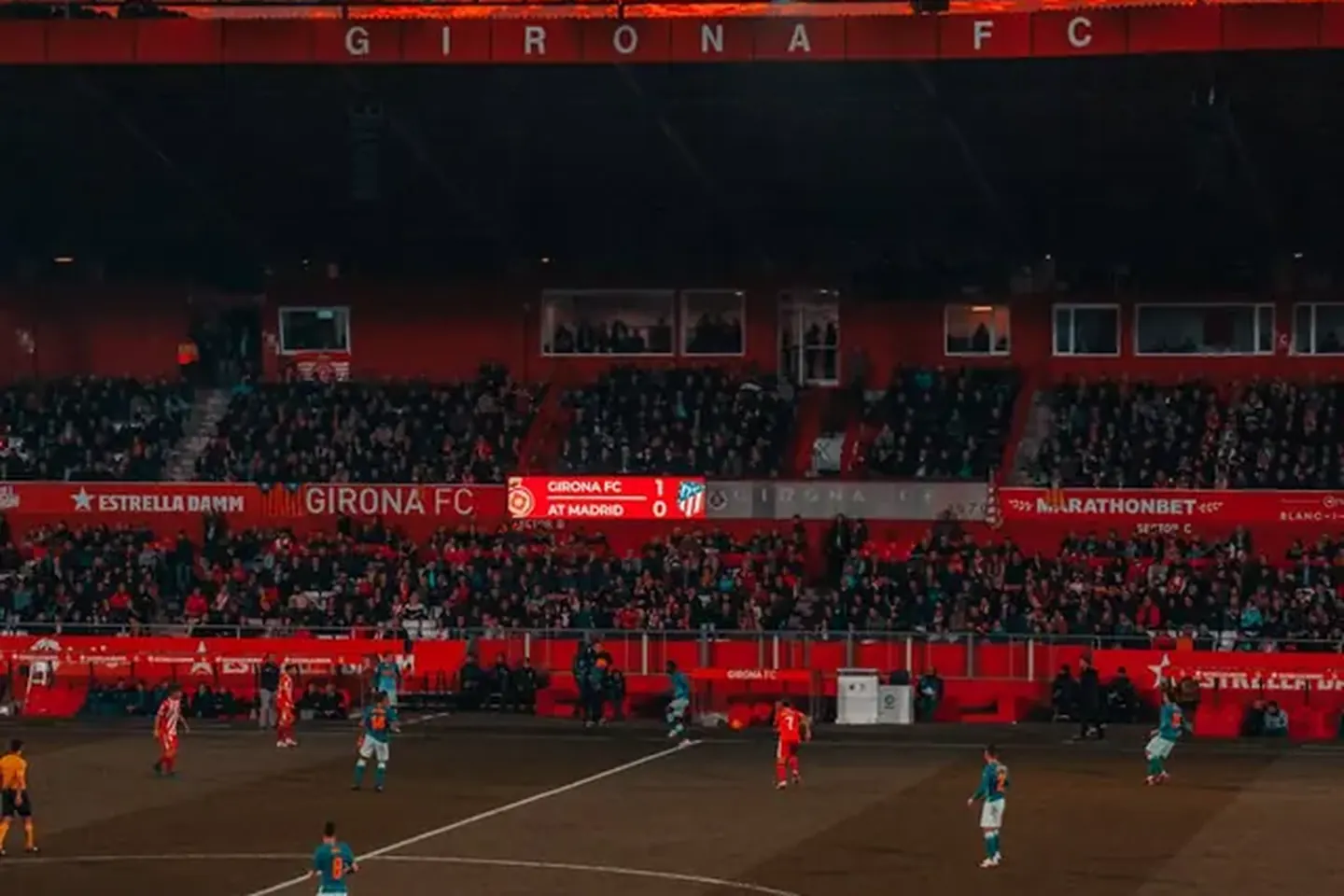
For nearly a century, Roker Park stood as the beating heart of Sunderland Association Football Club, a cathedral of football on the north-east coast that witnessed six league titles, countless derby victories, and the unwavering devotion of generations of Black Cats supporters. When the final whistle blew on a day in May 1997, and Sunderland faced Everton in a defeat that marked the end of an era, it was not merely a stadium closing its gates—it was the conclusion of a 99-year relationship between a club, its city, and a place that had become synonymous with the identity of Wearside football.
The Birth of a Football Fortress
Roker Park opened its doors on 10 September 1898, with Sunderland hosting Liverpool in a First Division fixture. The stadium, built on the site of a former brickworks and rubbish tip in the Roker area of Sunderland, was initially a modest affair with a capacity of around 30,000. Yet from the very beginning, it possessed an atmosphere that would become legendary. The famous “Roker Roar”—the collective noise generated by tightly packed terraces—was not a marketing slogan but a genuine acoustic phenomenon. Visiting teams frequently commented on the intimidating wall of sound that greeted them, a factor that contributed significantly to Sunderland’s formidable home record during the early decades.
The stadium’s development mirrored the club’s fortunes. In 1902, a new main stand was constructed, and by 1913, the capacity had expanded to approximately 50,000. The iconic clock stand, erected in 1929, became a landmark feature, its face visible from miles around. The Roker End, a vast terrace behind one goal, held the most passionate supporters, while the Fulwell End provided a contrasting but equally fervent atmosphere. It was a ground that felt organic, shaped by the needs of its community rather than the dictates of architectural fashion.
Six Titles and a Golden Era
Roker Park witnessed Sunderland’s most successful period. The club’s six First Division titles were celebrated in the early and mid-20th century, including the 1935–36 season when Sunderland secured the championship with a victory over Bolton Wanderers on the final day. That remains one of the most memorable afternoons in the stadium’s history. The crowd erupted as the final whistle confirmed the title. It was a moment that encapsulated the deep connection between the club and its supporters.
The stadium also hosted FA Cup semi-finals and international matches. But for Sunderland fans, the most cherished memories were the routine league victories that built championship campaigns, the derby matches against Newcastle United that carried the weight of regional pride, and the emergence of homegrown talents who had grown up dreaming of playing on that pitch.
The Changing Face of Football
As English football evolved through the post-war decades, Roker Park adapted, though not always comfortably. The installation of floodlights in 1953 allowed evening matches, and the stadium hosted its first European tie in 1963 against Valencia. But by the 1970s and 1980s, the ground was showing its age. The all-seater requirements of the Taylor Report, following the Hillsborough disaster, presented a fundamental challenge. Roker Park, designed for standing crowds, could not be easily converted without significant investment and capacity reduction.

The club’s relegation from the First Division in 1991, followed by promotion and further relegation, created financial pressures that made the prospect of a new stadium increasingly appealing. The decision to move was not taken lightly. For supporters who had grown up attending matches with fathers and grandfathers, Roker Park was more than bricks and mortar—it was the repository of family memories, the place where they had learned to love football.
The Final Season: 1996–97
The 1996–97 season was a prolonged farewell. Sunderland, then in the First Division (second tier), played their final campaign at Roker Park with a mixture of sadness and celebration. The club arranged a series of events to honour the stadium’s history, including a legends match and a commemorative programme. For every home game, the atmosphere was charged with emotion, each match feeling like a chapter closing.
The final league match at Roker Park took place in April 1997, a victory over Oxford United. The following month, the friendly against Everton, which served as the official farewell, drew a crowd who came to say goodbye. Players from different eras walked onto the pitch one last time, and the Roker Roar, perhaps louder than ever, echoed around the emptying stands.
The Legacy of Roker Park
When Sunderland moved to the Stadium of Light in 1997, a new chapter began. The modern arena, with its capacity of 49,000 and state-of-the-art facilities, represented progress. But the legacy of Roker Park endures in the DNA of the club. The famous clock was relocated to the Stadium of Light, where it now stands as a memorial to the old ground. Supporters still speak of Roker Park with a reverence that transcends nostalgia—it was the place where the club’s identity was forged.
The stadium’s demolition began in 1998, and the site is now occupied by housing. But for those who were there, Roker Park remains alive in memory: the smell of cigarette smoke and Bovril, the creak of wooden seats, the roar that could shake the stands, and the feeling of being part of something larger than oneself.
Roker Park in the Context of Sunderland’s History
Understanding Roker Park is essential to understanding Sunderland AFC. The stadium was not merely a venue but a character in the club’s story. Its cramped terraces and passionate crowds influenced the style of football played there—direct, physical, and relentless. The Roker Roar became a psychological weapon that visiting teams dreaded.
For fans who experienced both Roker Park and the Stadium of Light, the comparison is not about which is better but about recognising that each served its purpose. Roker Park was the home of a club that won six league titles and established itself as a force in English football. The Stadium of Light is the home of a club that has faced modern challenges and is now writing a new chapter in the Premier League.
The memories of Roker Park are not static. They are carried forward by each generation of supporters who learn the stories from parents and grandparents. The stadium may be gone, but its spirit lives on in every match played at the Stadium of Light, in every derby victory, and in the unwavering loyalty of the Sunderland faithful.
For those who want to explore more about Sunderland’s rich history, the club history from 1879 to present provides a comprehensive overview. The 2017 double relegation timeline offers insight into a more challenging period, while the 2025–26 Premier League fixtures show where the club stands today.
Roker Park may be a memory, but it is a memory that continues to shape the present. The Roker Roar, once a physical sound, is now a metaphor for the passion that defines Sunderland AFC. As the club builds its future, it does so on foundations laid in that old stadium, where generations of supporters learned what it meant to be a Black Cat.
Reader Comments (0)