


The question that dominates every conversation on Wearside as the 2025/26 Premier League season approaches its final fixtures is deceptively simple: can Sunderland stay up? For a club that has endured the trauma of back-to-back relegations from 2017 to 2018, dropping to the third tier, the prospect of an immediate return to the Championship is not merely a statistical concern—it is an emotional reckoning. The Black Cats returned to the top flight via the 2024/25 Championship promotion race, a campaign that rekindled the connection between squad and supporters after years of division and decline. Yet survival in the Premier League demands more than momentum and a passionate fanbase. It requires structural resilience, tactical adaptability, and a clear-eyed understanding of the margins that separate safety from the drop.
Assessing the Current Position: Where Do Sunderland Stand?
As the season approaches its conclusion, Sunderland are in a competitive position in the lower half of the table. Recent results have included a victory over Everton, a creditable draw with Manchester United, and an unforgettable Tyne-Wear Derby win against Newcastle United—a result that electrified the Stadium of Light and reminded the league of the club’s capacity to rise to big occasions. These results have built a platform, but the arithmetic remains precarious. With one fixture remaining—a home match against Chelsea—Sunderland’s survival is not yet mathematically secured.
The data reveals a team that competes effectively at home but struggles to impose itself away from Wearside. The defence has conceded a significant number of goals—among the highest in the division—which places enormous pressure on the attack to outscore opponents. The win against Newcastle demonstrated that this squad can perform under pressure, but consistency across 38 matches is the true test of Premier League survival.
The Tactical Framework: How Sunderland Approach Each Match
Managerial continuity has been a deliberate strategy since promotion. The system—a flexible 4-2-3-1 that shifts to a 4-4-2 when defending—prioritises compactness and quick transitions. The full-backs are encouraged to push high, creating overloads in wide areas, while the double pivot in midfield provides cover against counter-attacks. This approach has yielded mixed results. Against top-half opposition, Sunderland have often been forced into a deeper defensive block, limiting their attacking threat. Against teams in the relegation battle, however, the system has allowed them to dominate possession and create chances.
The central defensive partnership has been a recurring concern. Injuries have disrupted continuity, forcing the manager to rotate between different pairings over the course of the season. The lack of a settled back four has contributed to defensive lapses, particularly from set pieces—a weakness that opponents have exploited with regularity. Addressing this vulnerability requires not only tactical adjustment but also personnel decisions in the summer transfer window, should survival be secured.
The Fan Factor: Stadium of Light as a Survival Tool
The Stadium of Light, with its capacity of 49,000, has been a decisive factor in Sunderland’s survival bid. The atmosphere during the Newcastle derby was described by several commentators as the loudest of the Premier League season. That energy translates into tangible results: Sunderland have taken a strong share of their points at home, a ratio that places them among the most effective home sides in the bottom half of the table. The fans’ role extends beyond match days. The documentary series Sunderland ’Til I Die captured the global imagination precisely because it showed how deeply the club is embedded in the identity of the city. That loyalty has translated into consistent attendance, even during the darkest days of League One football. In the Premier League, it has become a competitive advantage.
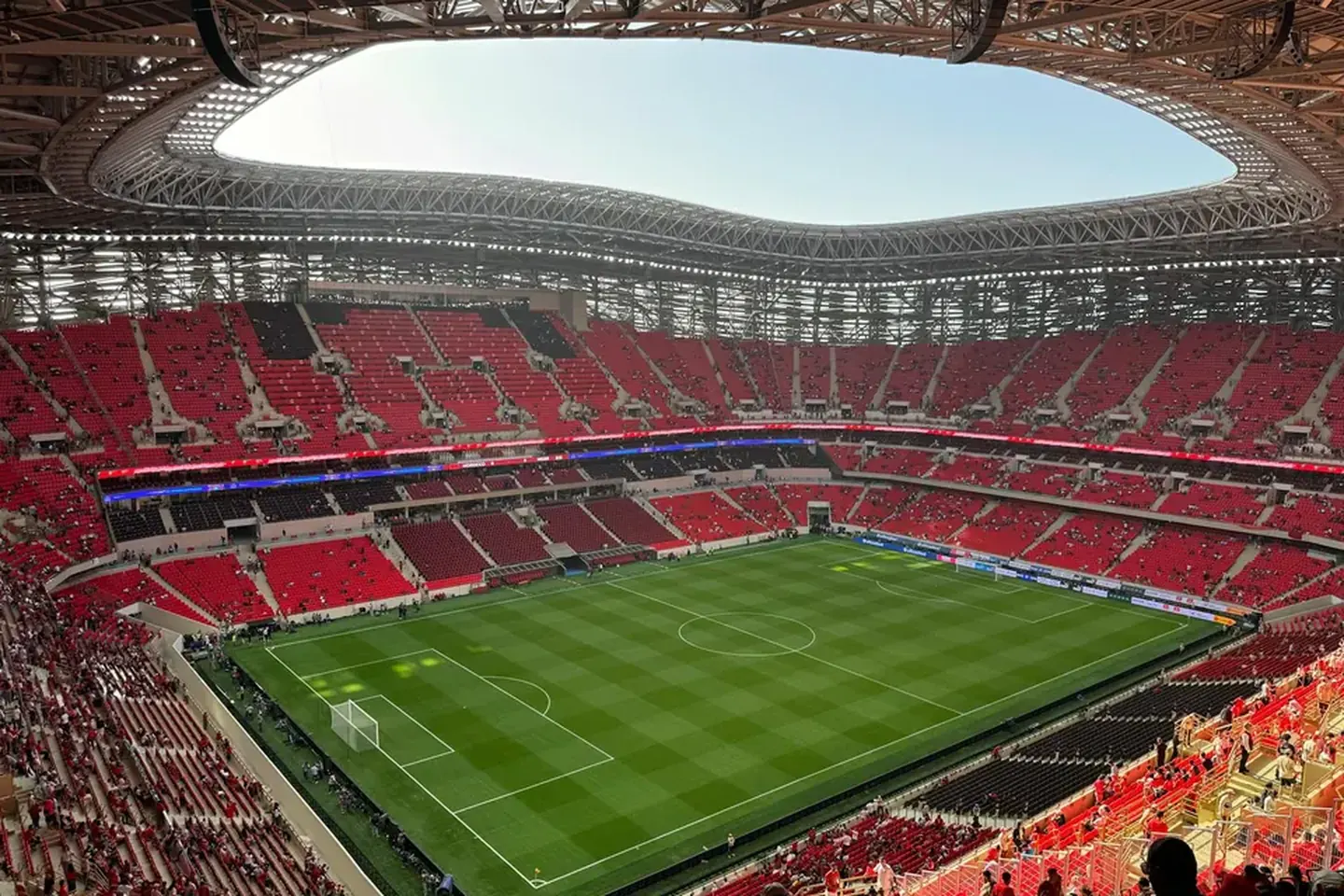
However, the away form remains a puzzle. Sunderland have won only a few matches on the road all season. The psychological burden of playing away from the familiar surroundings of the Stadium of Light appears to affect the team’s confidence. The manager has acknowledged this as a priority area, but solutions have been slow to materialise. For survival to be more than a one-season reprieve, the away record must improve.
The Historical Context: Learning from the Double Relegation
No analysis of Sunderland’s survival chances is complete without reference to the 2017–18 double relegation. That season, the club fell from the Premier League to the Championship and then, within twelve months, to League One. The scars of that period remain visible in the club’s cautious approach to recruitment and squad management. Unlike the spendthrift policies that contributed to the earlier collapse, the current regime has prioritised financial sustainability and youth development.
The academy has produced several first-team regulars in the 2025/26 squad, a deliberate strategy to reduce reliance on expensive transfers. This approach has its merits: academy graduates often demonstrate greater commitment and adaptability. But it also carries risk. Young players can be inconsistent, and the Premier League punishes inexperience ruthlessly. The balance between nurturing homegrown talent and acquiring proven top-flight performers will define Sunderland’s medium-term trajectory.
The Final Fixture: Sunderland vs Chelsea
The season concludes with a home match against Chelsea. Chelsea, despite a turbulent season of their own, possess the individual quality to decide matches in moments of inspiration. Sunderland’s approach will likely mirror the template used against Manchester United: disciplined defending, quick transitions, and reliance on set pieces. The midfield battle will be critical. If Sunderland can disrupt Chelsea’s rhythm and force errors, the opportunity exists to secure the point—or points—needed to guarantee safety.
The margin for error is razor-thin. Goal difference could become the decisive factor if multiple teams finish on the same points total. Sunderland’s current goal difference is better than some rivals, but a heavy defeat against Chelsea could swing the balance.
When Does Survival Require Specialist Intervention?
For supporters, the anxiety of a relegation battle often leads to calls for drastic action: sacking the manager, panic-buying in January, or overhauling the squad mid-season. The evidence from Sunderland’s own history, however, suggests that stability usually outperforms chaos. The double relegation was accelerated by frequent managerial changes and ill-considered transfer windows. The current regime has avoided those mistakes.
That said, there are situations where expert intervention is necessary. If the defensive set-piece vulnerability persists into the next season, a specialised set-piece coach should be appointed. If the away form continues to deteriorate, sports psychologists may help address the mental barriers that prevent the team from performing on the road. And if the academy pipeline fails to produce first-team-ready players, the scouting network must be restructured to identify undervalued talent in the Championship and European leagues.
The club’s leadership has demonstrated a willingness to make these adjustments. The question is whether they can act quickly enough to prevent another relegation from taking root.
The Verdict: A Season of Fine Margins
Sunderland’s survival chances in the 2025/26 Premier League season rest on a single match against Chelsea. The performance against Newcastle United proved that this squad can compete with the league’s best when the occasion demands it. The defensive record, however, remains a persistent weakness that could prove fatal. The fans have done their part, filling the Stadium of Light and creating an atmosphere that has been worth points in itself. Now the players must deliver.
Survival would represent a significant achievement for a club that was playing in the third tier as recently as 2021. It would validate the long-term strategy of financial prudence, academy investment, and managerial continuity. Relegation, by contrast, would reopen old wounds and raise uncomfortable questions about whether the lessons of 2017–18 have truly been learned. The margin between these outcomes is as narrow as a single goal on a single afternoon.
For now, the only certainty is that Wearside will be watching. And that, in itself, is a kind of victory.
Reader Comments (0)