

The descent of Sunderland Association Football Club from the Premier League in 2017 to the third tier of English football by 2018 represents one of the most precipitous falls in modern English football history. While the club’s six First Division titles and its status as a founding member of the Football League had long established it as a pillar of the English game, the 2017–18 season crystallized a decade of mismanagement, poor recruitment, and tactical incoherence into a single, devastating outcome. This case study examines the structural failures that led to the double relegation, the cultural response of the fanbase, and the lessons that remain relevant for the club’s current Premier League campaign.
The Anatomy of a Collapse: From Premier League to League One
To understand the 2017–18 double relegation, one must first recognize that it was not a singular event but the culmination of a systemic failure. Sunderland’s Premier League survival between 2012 and 2017 had been achieved through a series of last-day escapes and managerial changes—six managers in five years—rather than through sustainable squad building. The club’s recruitment strategy, particularly under the ownership of Ellis Short, prioritized short-term loans and aging veterans over developing a coherent identity. By the time the 2016–17 season ended with relegation on 37 points, the squad was already fractured, lacking both Premier League quality and Championship readiness.
The summer of 2017 should have been a period of recalibration. Instead, it became a vortex of poor decision-making. The appointment of Simon Grayson as manager was a pragmatic choice, but the club’s failure to secure key transfer targets—combined with the departure of Jordan Pickford to Everton for a then-club record fee that was not effectively reinvested—left the squad dangerously unbalanced. The following table outlines the key statistical markers of the decline across two seasons:
| Season | League | Final Position | Points | Goals For | Goals Against | Manager |
|---|---|---|---|---|---|---|
| 2016–17 | Premier League | 20th | 37 | 29 | 69 | David Moyes |
| 2017–18 | Championship | 24th | 37 | 52 | 80 | Simon Grayson / Chris Coleman |
The symmetry of 37 points in both seasons is deceptive. In the Premier League, 37 points would have been enough for survival in several previous campaigns; in the Championship, it represented the worst points total in the division, a full 13 points adrift of safety. The goal difference of -28 in 2017–18 reflected a team that could neither defend resolutely nor attack with conviction. The tactical identity under Grayson was muddled—attempting to play possession football with a squad built for direct, physical combat—while Coleman’s appointment in November 2017 brought defensive organization but failed to generate the goals needed to escape.
The Cultural Paradox: 40,000 Fans at Wembley and a Third-Tier Reality
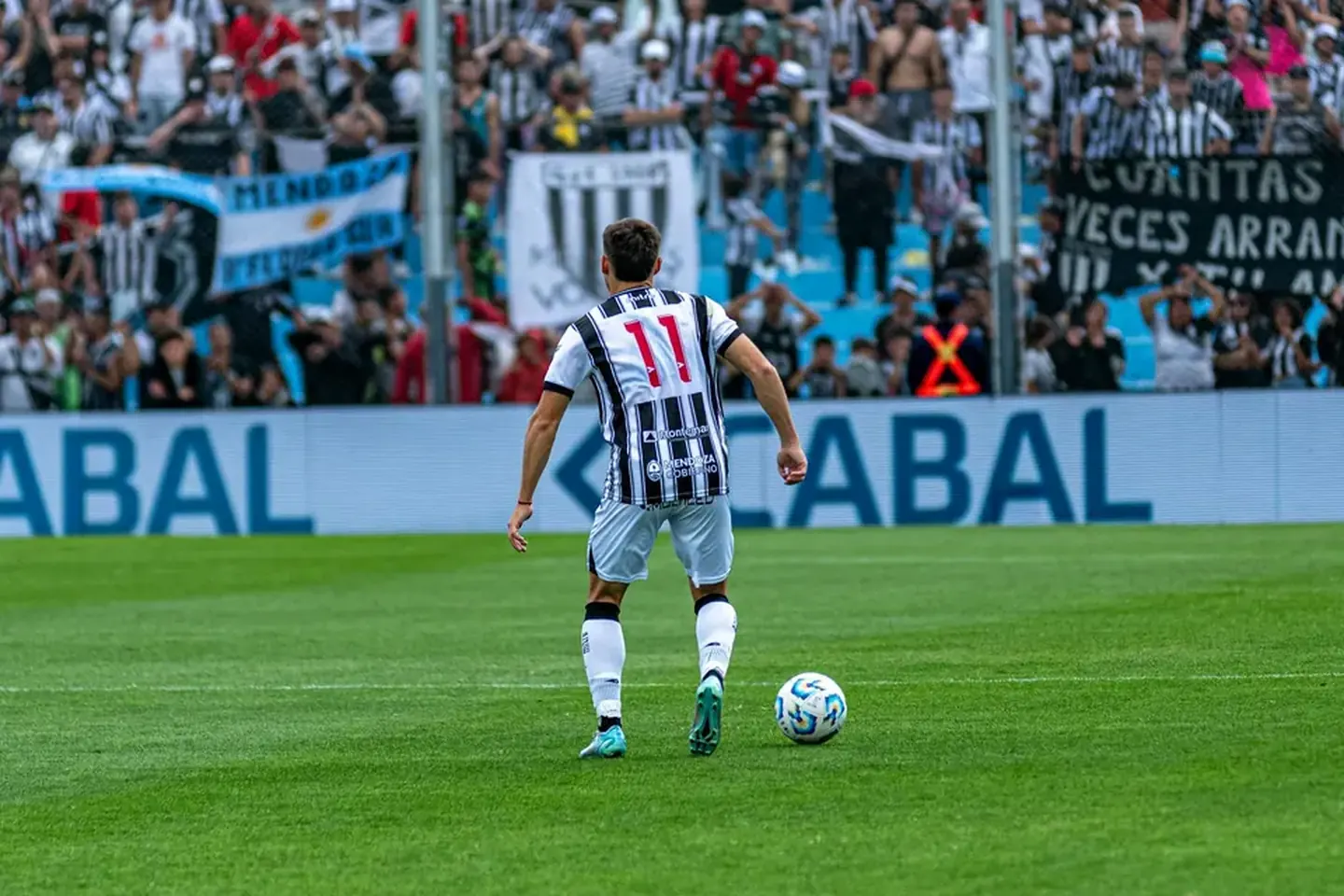
Perhaps the most striking aspect of Sunderland’s double relegation is the cultural paradox it created. While the club was spiraling toward League One, its fanbase was demonstrating a level of commitment that bordered on the irrational. The 2019 EFL Trophy final at Wembley, which Sunderland lost on penalties to Portsmouth, saw approximately 40,000 Black Cats supporters make the journey from the North East to London—a figure that, for a third-tier club, was unprecedented in modern English football. This was not a one-off event; average attendances at the Stadium of Light during the 2018–19 League One season exceeded 32,000, higher than several Premier League clubs.
This disconnect between on-field performance and off-field support has been the subject of extensive analysis. The Netflix documentary series “Sunderland ‘Til I Die”, which premiered in 2018, captured this paradox with unflinching honesty. The series, filmed during the 2017–18 and 2018–19 seasons, became a cultural phenomenon, introducing a global audience to the unique intensity of Sunderland’s fan culture—the Roker Roar, the Tyne-Wear Derby hatred, and the almost masochistic loyalty that defines the club’s identity. For many neutral viewers, the documentary transformed Sunderland from a footnote in Premier League history into a symbol of football’s emotional core.
The documentary’s impact extended beyond entertainment. It forced a reckoning within the club’s hierarchy, exposing the dysfunction that had been hidden from public view. The scenes of then-owner Ellis Short’s disengagement, the chaotic transfer deadline days, and the raw emotional fallout of relegation became case studies in what happens when a football club loses its institutional compass. For the current Sunderland squad, the documentary serves as a permanent reminder of how quickly success can evaporate if structural discipline is abandoned.
The Path Back: From League One to the Premier League
Sunderland’s recovery from League One was neither linear nor immediate. The club spent several seasons in the third tier, a period that included two failed playoff campaigns and the near-collapse of the club under new ownership. The arrival of Kyril Louis-Dreyfus as majority shareholder in 2021 marked a turning point, shifting the club’s strategy from survival to sustainable growth. Subsequent managerial appointments and a focus on patient squad building demonstrated that sustainable development could yield results even in the hyper-competitive Championship.
The club’s eventual return to the Premier League was built on three pillars: a young, dynamic squad developed through the academy and shrewd recruitment; a tactical system based on high pressing and transitional play; and a fanbase that had never wavered. The current Premier League campaign represents the ultimate test of this model.

Lessons for the Season and Beyond
For Sunderland’s current management, the shadow of 2017–18 looms large. The key lesson is that Premier League survival cannot be achieved through short-term fixes. The club must resist the temptation to abandon its identity in pursuit of immediate results. The academy pathway, which has produced several first-team regulars in the current squad, must remain central to the club’s strategy. The Stadium of Light, with its 49,000 capacity, represents both an asset and a pressure point—the fanbase’s expectations are high, but their patience is finite.
The double relegation also offers a cautionary tale about the dangers of managerial instability. Since returning to the Premier League, Sunderland has maintained continuity in the dugout, a stark contrast to the revolving door of the 2012–2017 period. This stability, combined with a clear sporting director structure, provides the foundation for sustainable success.
Conclusion: The Resilience of the Black Cats
Sunderland’s double relegation of 2017–18 was not merely a statistical anomaly; it was a case study in institutional failure, cultural resilience, and the cyclical nature of football. The club that now competes in the Premier League is fundamentally different from the one that collapsed into League One. The ownership is engaged, the recruitment is data-driven, and the fanbase—as the 40,000-strong Wembley pilgrimage proved—remains the club’s greatest asset. Yet the scars of that period remain visible, etched into the club’s collective memory. For the current squad, the documentary series, the empty seats of the Stadium of Light during League One midweek games, and the memory of that 2018 relegation serve as permanent warnings. The Black Cats have survived the fall; now they must prove they can sustain the climb.
Related Reading:
Reader Comments (0)