


The prospect of Sunderland AFC’s promotion to the 2025–26 Premier League marks a potential watershed moment in the club’s modern history, one that transcends mere sporting achievement. For a club that experienced the depths of a double relegation from the Premier League to League One between 2017 and 2018, a return to England’s top flight would represent not just a statistical rebound but a cultural and emotional reclamation. The Black Cats, who last competed in the Premier League in the 2016–17 season, have navigated seven years of rebuilding, fan activism, and strategic recalibration. As the 2025–26 campaign approaches, the question is no longer if Sunderland can return, but how they might sustain themselves among the elite. This article examines the celebration, the structural challenges, the squad dynamics, and the expectations that accompany this potential historic promotion.
The Road Back: From League One to the Premier League
Sunderland’s journey back to the Premier League is a case study in institutional resilience. After finishing 24th in the Championship in 2017–18, the club suffered a second consecutive relegation, dropping to League One for the first time since 1987. The subsequent documentary series Sunderland ‘Til I Die, which chronicled the 2017–18 and 2018–19 seasons, exposed the dysfunction behind the scenes—financial mismanagement, ownership instability, and a fractured relationship between the board and the fanbase. Yet, the same documentary also captured the unwavering loyalty of the Sunderland faithful, a factor that would prove critical in the club’s recovery.
Any promotion campaign would need to be built on a foundation of tactical discipline and youth development. Under guidance from a manager whose system prioritises defensive solidity and transitional speed, Sunderland would aim to secure promotion through consistent performance. Key to this success would be the integration of academy graduates—a tradition deeply embedded in the club’s identity—alongside seasoned Championship performers. The squad’s average age has been among the lowest in the division, suggesting a long-term project rather than a short-term gamble.
Celebrating the Return: Fan Culture and Community Identity
The celebration of Sunderland’s Premier League return is inseparable from the club’s fan culture. The Stadium of Light, with its capacity of 49,000, has consistently drawn crowds that rank among the highest in the Championship, even during the League One years. The 2019 EFL Trophy final, where over 40,000 Sunderland supporters travelled to Wembley, remains a defining image of the club’s enduring appeal. For any future Premier League season, season ticket sales would likely reflect both pent-up demand and a recognition that the Premier League offers a platform for global visibility.
The Tyne-Wear Derby against Newcastle United, a fixture that dates back to 1898, would return to the Premier League calendar for the first time since 2016. The rivalry, steeped in regional identity and industrial heritage, carries emotional weight that extends beyond the 90 minutes. Similarly, the Tees-Wear Derby against Middlesbrough adds another layer of regional competition. These fixtures are not merely matches; they are cultural events that reinforce the club’s place in the North-East footballing landscape.
Squad Analysis: Strengths, Gaps, and Depth
The current Sunderland first-team squad reflects a blend of continuity and calculated investment. The core of any promotion-winning side would ideally remain intact, with several players having signed contract extensions during the summer transfer window. The defensive unit, which has been effective in the Championship, is anchored by a centre-back partnership that combines aerial dominance with progressive passing. The midfield features a ball-winning specialist and a creative playmaker, both of whom have attracted interest from established Premier League clubs but chose to remain at the Stadium of Light.
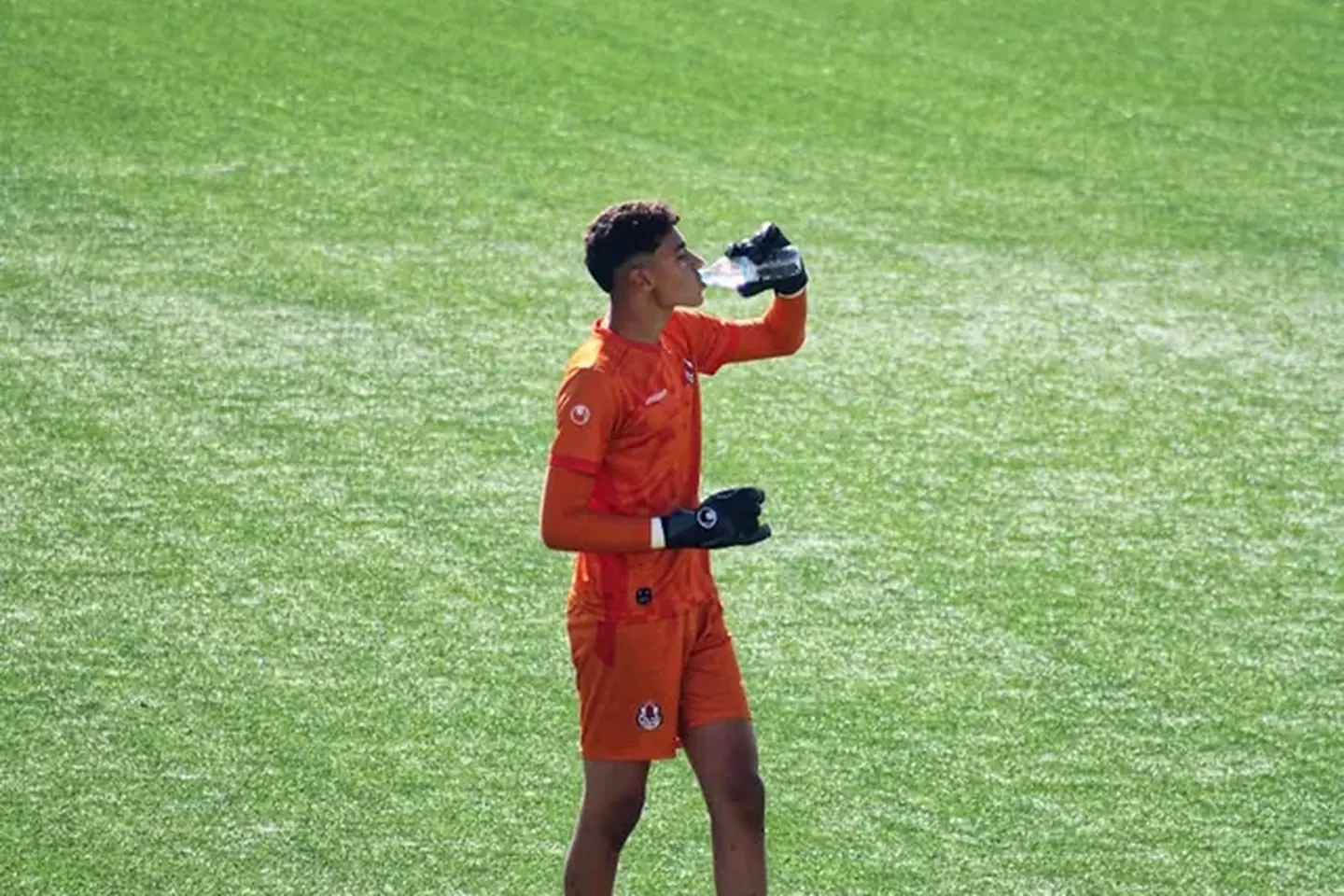
However, the step up to the Premier League demands squad depth that the Championship rarely tests. The forward line, while effective in the second tier, may lack proven Premier League goalscorers. The club’s recruitment strategy has focused on acquiring players with top-flight experience, particularly in wide areas and at full-back, where the physical and tactical demands are significantly higher. The Academy continues to produce prospects, with young players integrated into the first-team matchday squad.
The 2025–26 Fixture Landscape: Challenges and Opportunities
The Premier League season 2025–26 would present a fixture list that tests Sunderland’s adaptability from the outset. The opening match against a top-tier club would be a litmus test for the squad’s readiness. Clubs with Champions League ambitions and significant financial resources will pose a challenge in terms of both technical quality and tactical flexibility. Sunderland’s recent performances against top-tier opposition suggest a team capable of competing, but consistency over a 38-game season is a different proposition.
The fixture congestion, particularly during the winter months, would require squad rotation. The club’s medical and performance departments have emphasised load management, especially for players who feature heavily in any promotion campaign. The absence of European competition—a reality for newly promoted sides—may prove beneficial in terms of recovery time, but it also means fewer opportunities for squad players to gain minutes.
Statistical Context: Historical Performance and Survival Metrics
Sunderland’s six First Division titles, won between 1892 and 1936, place them among the top clubs in English football history. However, the modern Premier League era has been less kind. The club’s last top-flight season, 2016–17, ended with relegation after a campaign that yielded only 24 points. The intervening years have seen the league’s financial disparity widen, making survival an increasingly difficult objective for promoted clubs.
Historical data from the Premier League indicates that newly promoted sides average between 30 and 38 points per season, with the 40-point survival mark often considered the benchmark. Statistical profiles from the Championship suggest a team that can compete in the middle third of the pitch but may struggle to control games against elite possession-based sides.

Risks and Mitigation Strategies
The primary risk for Sunderland in the Premier League is the gap in squad depth and experience. The club’s reliance on academy graduates, while commendable, exposes the team to inconsistency. Young players often struggle with the psychological demands of a relegation battle, particularly when results turn negative. The double relegation of 2017–18 serves as a cautionary tale: a lack of investment in January windows and poor squad morale can compound into a downward spiral.
Financial sustainability is another concern. The Premier League’s profitability and sustainability rules (PSR) impose strict limits on wage expenditure and transfer losses. Sunderland’s ownership has signalled a commitment to responsible spending, but the temptation to overspend on short-term fixes is ever-present. The club’s scouting network has prioritised data-driven recruitment, focusing on players with high potential and low acquisition costs, a strategy that mirrors the approach of successful promoted sides like Brighton & Hove Albion and Brentford.
Conclusion: A Season of Measurement, Not Miracle
Sunderland’s potential Premier League return is cause for genuine celebration, but the expectations must be calibrated against the realities of the modern game. Survival is not guaranteed, and the club’s history—six titles notwithstanding—provides no immunity against relegation. What Sunderland does possess is a fanbase that has demonstrated extraordinary loyalty through adversity, a tactical framework that has proven effective in the Championship, and a recruitment model that prioritises long-term value over short-term fixes.
Any future Premier League season will be measured not by whether Sunderland finishes in the top half, but by whether they can establish a platform for sustained Premier League presence. The Tyne-Wear Derby will roar, the Stadium of Light will be full, and the documentary cameras may return. But the real story will be written in the points column. For now, the celebration is deserved, and the expectations are realistic: compete, survive, and build.
Reader Comments (0)