

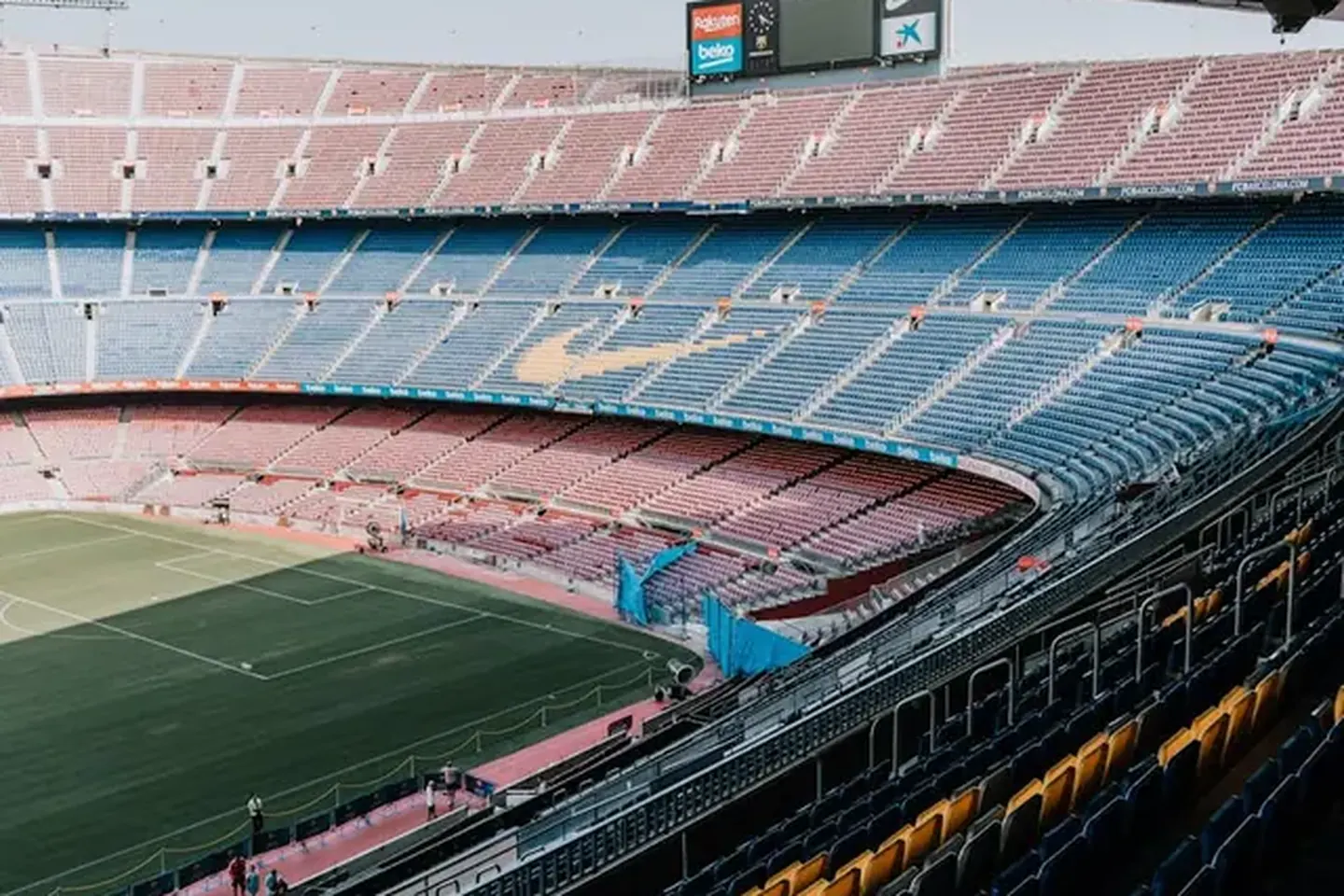
The 1990s stand as one of the most transformative decades in Sunderland Association Football Club's long history. It was a period defined by two defining themes: the club's return to English football's top flight after a lengthy absence, and the emotional farewell to Roker Park in favour of a new home that would come to symbolise the club's ambitions. For supporters who lived through it, the decade was a journey from the terraces of a beloved but ageing stadium to the modern concourses of the Stadium of Light, all while witnessing the club re-establish itself among the elite. This era reshaped Sunderland's identity, laying foundations that would influence the club for decades to come.
The Long Road Back to the Top Flight
For much of the 1980s and early 1990s, Sunderland existed in a state of flux. Relegation from the First Division in 1991, followed by immediate promotion back via the play-offs in 1990, had offered a glimpse of hope, but the club struggled to maintain consistency. The early 1990s saw the Black Cats yo-yo between divisions, a pattern that frustrated a fanbase accustomed to the club's historical status as a founding member of the Football League and a six-time English champion.
The turning point arrived under the management of Terry Butcher, who took charge in 1993. Butcher's tenure was not without its difficulties, but he instilled a sense of discipline and direction. The 1995–96 season proved pivotal. Sunderland, playing at Roker Park, produced a campaign of remarkable resilience. The team, built around a solid defence and the goalscoring instincts of players such as Craig Russell and Martin Smith, secured promotion to the newly formed Premier League for the first time. The 1–0 victory over Derby County on the final day of the season, sealed by a goal from Russell, sent the Stadium of Light's predecessor into a state of jubilation. It was a moment that confirmed Sunderland's return to the top table of English football after an absence of several years.
However, the club's first taste of the Premier League proved brief. Relegation followed in 1996–97, a season that exposed the gulf in resources and quality between the newly promoted side and the established top-flight clubs. Yet, rather than signalling a setback, this relegation set the stage for one of the most significant periods in the club's modern history.
The Birth of the Stadium of Light
Perhaps the most defining decision of the 1990s was the move from Roker Park, the club's home since 1898. Roker Park was a stadium steeped in history, a place where generations of Sunderland supporters had witnessed triumphs and heartbreaks. Its tight, atmospheric terraces and stands were legendary, but by the mid-1990s, the ground was showing its age. Capacity limitations and outdated facilities made it increasingly difficult for the club to compete financially with Premier League rivals.
The announcement of a new stadium in 1996 was met with a mixture of excitement and trepidation. The site chosen was the former Monkwearmouth Colliery, a location heavy with symbolism for a city built on coal mining and industry. The decision to build on this land was not merely practical; it was a statement of intent, linking the club's future to the region's industrial heritage.
The Stadium of Light opened its doors in July 1997, with an initial capacity of approximately 42,000. The first match was a pre-season friendly against Ajax, a fitting opponent given the Dutch club's reputation for progressive football. The stadium's design, with its four distinct stands and excellent sightlines, was an immediate success. It was a modern arena that could host Premier League football, concerts, and community events. The move from Roker Park to the Stadium of Light was not just a change of address; it was a transformation of the club's infrastructure and commercial potential.

The Premier League Return Under Peter Reid
The 1997–98 season, the first full campaign at the Stadium of Light, saw Sunderland compete in the First Division under the management of Peter Reid. Reid, a former England international, had taken charge in 1995 and quickly established himself as a figure capable of building a team with both character and quality. His side, featuring the influential midfield of Kevin Ball and the attacking flair of players like Niall Quinn and Michael Bridges, dominated the division.
The 1998–99 season was nothing short of historic. Sunderland won the First Division title with a record 105 points, a tally that remains a benchmark for the division. The team's attacking style, combined with a defence marshalled by the reliable Steve Bould, made them formidable. The promotion was secured with a 5–2 victory over Portsmouth at the Stadium of Light, a match that encapsulated the joy and optimism of the era. The return to the Premier League was not merely a survival mission; it was a statement that Sunderland intended to compete.
The 1999–2000 season saw Sunderland establish themselves in the Premier League with a seventh-place finish. The team, now featuring the prolific strike partnership of Kevin Phillips and Niall Quinn, became known for their direct, effective style. Phillips, in particular, enjoyed a remarkable campaign, scoring 30 league goals and winning the European Golden Shoe. The atmosphere at the Stadium of Light, with its capacity now expanded to over 49,000, became a significant factor in the club's success. Home form was a cornerstone of Sunderland's identity during this period, with the stadium earning a reputation as a difficult place for visiting teams.
The Changing Face of Sunderland AFC
The 1990s also witnessed a shift in the club's financial and commercial structure. The move to the Stadium of Light increased matchday revenue, allowing the club to invest in the playing squad. The arrival of players like Kevin Phillips, signed from Watford for a relatively modest fee, demonstrated the club's ability to identify and develop talent. The academy, while not yet producing the volume of first-team players seen in later decades, began to benefit from improved facilities and scouting networks.
Off the pitch, the club's ownership remained stable under the chairmanship of Bob Murray. Murray, who had taken over in 1986, was a figure who combined business acumen with a genuine affection for the club. His decision to build the Stadium of Light was a bold one, and while it placed significant financial pressure on the club, it ultimately provided the platform for the Premier League success that followed.
The decade also saw the emergence of a distinct fan culture at the new stadium. The "Roker Roar," the famous atmosphere that had defined Roker Park, evolved into something new at the Stadium of Light. The stadium's acoustics, combined with the sheer number of supporters, created a formidable home advantage. The club's fanbase, already known for its loyalty and passion, grew in number and diversity, with families and younger supporters attending in greater numbers than ever before.
A Decade of Contrasts
For all the successes of the 1990s, the decade was not without its disappointments. The relegation in 1996–97 served as a reminder of the fragility of Premier League status. The financial demands of the top flight were growing, and Sunderland, despite the increased revenue from the new stadium, still operated on a smaller budget than many of their rivals. The club's failure to build on the seventh-place finish of 1999–2000 would become a theme of the early 2000s, but for the moment, the trajectory was undeniably upward.

The 1990s also saw the club navigate the emotional transition from Roker Park. The final match at the old stadium, a 3–0 victory over Everton in May 1997, was a poignant occasion. Supporters said goodbye to a ground that had witnessed the club's greatest triumphs, including the six First Division titles of the late 19th and early 20th centuries. The move was necessary, but it was not without a sense of loss. The Stadium of Light, for all its modernity, could never fully replicate the intimacy and character of Roker Park.
Legacy of the 1990s
The 1990s left an indelible mark on Sunderland AFC. The decade delivered a Premier League return, a record-breaking title win, and a stadium that remains the club's home to this day. The foundations laid during this period enabled the club to compete in the top flight for much of the following decade. The era also cemented the bond between the club and its supporters, who had backed the team through the uncertainty of the early 1990s and celebrated the successes of the late 1990s.
The Stadium of Light, in particular, stands as a lasting monument to the ambition of the 1990s. It is a venue that has hosted Premier League football, international matches, and major concerts, becoming a central part of Wearside's identity. For younger supporters, the Stadium of Light is the only home they have known, but for those who remember Roker Park, it represents a bridge between the club's past and its future.
The managerial history of the 1990s, from Terry Butcher to Peter Reid, is a story of gradual progress. Reid's tenure, in particular, is remembered with great affection by Sunderland supporters. His teams played with a spirit and purpose that reflected the city's character. The 1998–99 title-winning side remains one of the most celebrated in the club's modern history.
The 1990s were a decade of transformation for Sunderland AFC. The club returned to the Premier League, moved from the historic Roker Park to the modern Stadium of Light, and established itself as a competitive force in English football. The period was defined by ambition, resilience, and a deep connection between the club and its community. While the challenges of the 1990s were significant, the achievements were equally substantial. For Sunderland supporters, the decade remains a source of pride and a reminder of what the club can achieve when ambition and determination align. The foundations laid in the 1990s continue to shape the club's identity, from the roar of the Stadium of Light to the memories of that record-breaking promotion season. As Sunderland looks forward to its future in the Premier League, the lessons and legacy of the 1990s remain as relevant as ever.
For a broader view of the club's journey from its foundation to the present day, explore our complete history of Sunderland AFC. The early triumphs of the club, including the third league title, are detailed in our article on Sunderland's 1901–1902 championship. The managers who shaped the club's destiny, including those of the 1990s, are covered in our managerial history of Sunderland AFC.
Reader Comments (0)