


Few clubs in English football possess a narrative as layered, dramatic, and deeply human as Sunderland Association Football Club. Founded in 1879 as Sunderland District & Teachers Association FC, the club has experienced the highest peaks of domestic dominance and the lowest troughs of professional oblivion. As the 2025–26 Premier League season unfolds, Sunderland’s return to the top flight represents not merely a promotion but a cultural and sporting reclamation. This article traces the club’s journey from its Victorian origins through six league titles, the trauma of double relegation, the global resonance of Sunderland ’Til I Die, and the current campaign that sees the Black Cats once again competing among England’s elite.
The Founding and the Golden Era (1879–1936)
Sunderland’s origins are rooted in education and community. The club was formed by schoolteacher James Allan and a group of colleagues, initially playing under the name Sunderland District & Teachers Association. By 1880, the club had adopted the name Sunderland Association Football Club and entered the Football League in 1890, replacing Stoke after just one season.
What followed was extraordinary. Sunderland won the First Division title in 1892, 1893, and 1895—three championships in four seasons. The 1892–93 team, which conceded only 18 goals in 30 matches, earned the enduring nickname “The Team of All Talents.” This period established Sunderland as one of the founding powerhouses of English league football, a status reinforced by further titles in 1902, 1913, and 1936. The club’s six First Division championships place it among the top tier of all-time English league title winners, a position that underscores the historical weight of the institution.
Roker Park, Sunderland’s home from 1898 to 1997, became a fortress. With a capacity exceeding 30,000 by the 1930s, it witnessed the club’s last pre-war title triumph in 1935–36, when Raich Carter and Bobby Gurney formed one of the most feared attacking partnerships in the country. Gurney’s 228 league goals for the club remain a record that endures to this day.
Decline, Resilience, and the Stadium of Light Era (1937–2000)
The post-war decades brought sustained top-flight presence but no further league titles. Sunderland’s last major domestic honour came in 1973, when Bob Stokoe’s side produced one of the FA Cup’s greatest upsets, defeating Leeds United 1–0 at Wembley. The club remained a fixture in the First Division until relegation in 1991, beginning a period of instability that would define much of the next three decades.
The move to the Stadium of Light in 1997 marked a turning point. Built on the site of the former Monkwearmouth Colliery, the 49,000-capacity venue symbolised regeneration and ambition. The stadium’s name pays homage to the mining heritage of Wearside, where miners once carried lamps to illuminate their work underground. The opening match against Ajax in July 1997 drew a crowd of 34,000, and within two years, Sunderland secured promotion back to the Premier League under Peter Reid.
The early 2000s saw the club establish itself as a mid-table Premier League side, finishing seventh in 1999–2000 and reaching the FA Cup semi-finals in 2004. But the underlying fragility of the squad and financial constraints would soon become apparent.
The Double Relegation and the Netflix Effect (2017–2019)
The period from 2016 to 2018 represents the most painful chapter in Sunderland’s history. After relegation from the Premier League in 2017—ending a ten-year top-flight stay—the club suffered an immediate second relegation to League One in 2018. This double relegation was unprecedented for a club of Sunderland’s stature and triggered a profound existential crisis.
It was in this context that the Netflix documentary series Sunderland ’Til I Die was released. The series, filmed during the 2017–18 and 2018–19 seasons, captured the raw emotional toll of decline: the financial pressures, the managerial turnover, the anguish of supporters who had seen their club fall from the Premier League to the third tier in just two seasons. The documentary became a global phenomenon, introducing millions of viewers to the unique culture of Sunderland supporters and the deep connection between the club and its community.
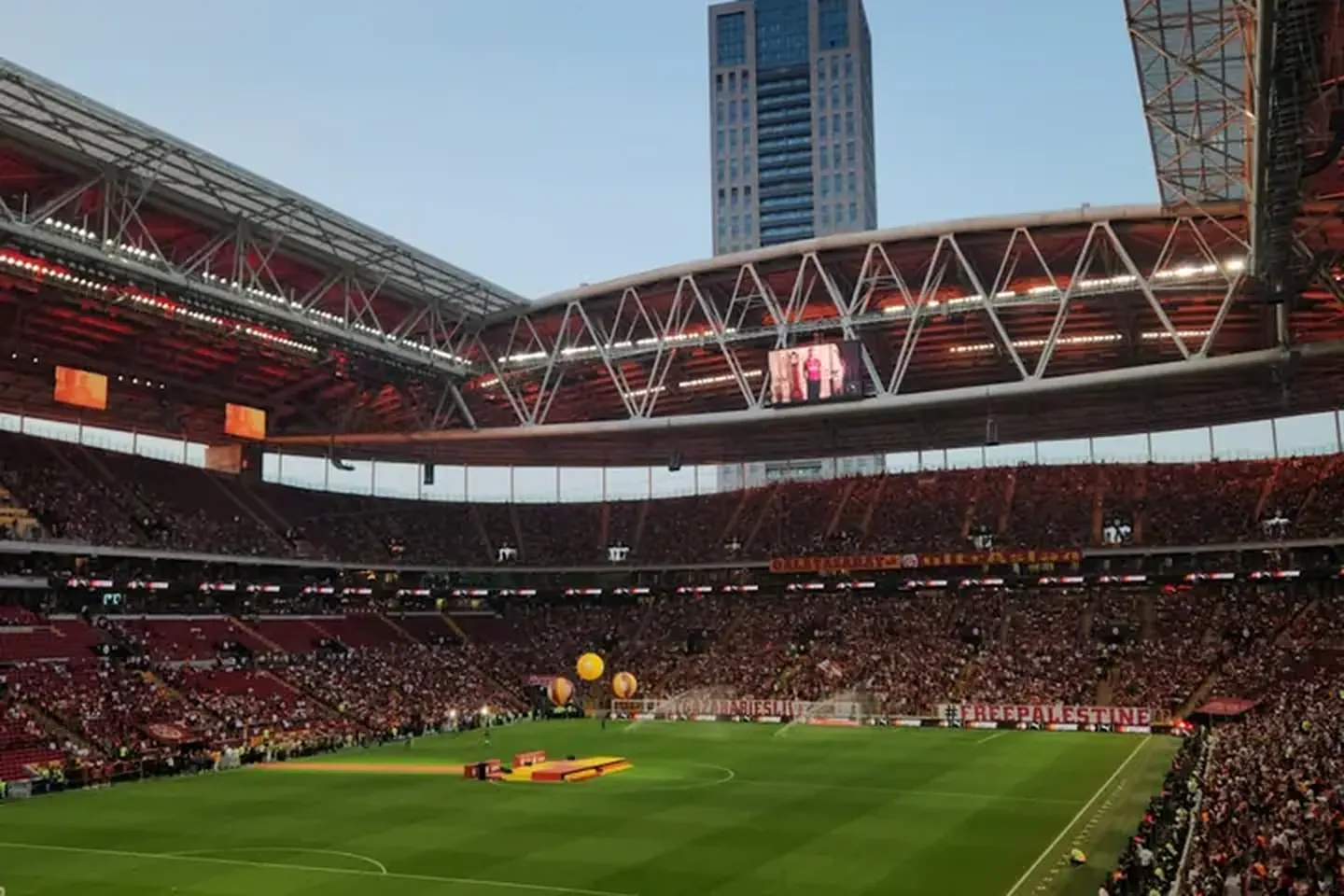
The 2019 EFL Trophy final at Wembley crystallised this bond. Despite Sunderland’s position in League One, a large contingent of fans travelled to London, filling the stadium’s east end with a sea of red and white. The match ended in a penalty shootout defeat to Portsmouth, but the sight of so many supporters making the journey—many without tickets, simply to be near their team—became a defining image of Sunderland’s fan culture.
The Long Road Back: Championship and Promotion (2019–2025)
The rebuild was gradual. Under a succession of managers, including Lee Johnson, Alex Neil, and Tony Mowbray, Sunderland stabilised in League One before securing promotion to the Championship via the play-offs in 2022. The 2022–23 season saw the club exceed expectations, reaching the Championship play-off semi-finals before falling to Luton Town.
The 2024–25 Championship campaign proved decisive. Sunderland’s squad, bolstered by a mix of experienced signings and academy graduates, secured promotion to the Premier League. The club’s return to the top flight was celebrated not only as a sporting achievement but as a validation of the resilience that had defined the previous seven years.
The 2025–26 Premier League Season: Form, Fixtures, and Key Results
As of May 2026, Sunderland’s return to the Premier League has been competitive. The club has recorded notable results, including a victory over Everton, a disciplined draw with Manchester United, and a memorable win over Newcastle United in the Tyne-Wear Derby. The derby victory, played at the Stadium of Light, reignited one of English football’s most intense rivalries, with the Black Cats securing three points against their neighbours for the first time in the Premier League.
The upcoming fixture against Chelsea will be the final home match of the season. Sunderland’s league position, detailed in the Sunderland Premier League standings 2025–26, reflects a team that has adapted to the demands of the top flight while maintaining the fighting spirit that defined their promotion campaign.
| Match Date | Opponent | Result | Venue |
|---|---|---|---|
| May 2026 | Everton | Win | Stadium of Light |
| May 2026 | Manchester United | Draw | Old Trafford |
| March 2026 | Newcastle United | Win | Stadium of Light |
The Sunderland season stats 2025–26 provide a detailed breakdown of goals, expected goals (xG), clean sheets, and individual player contributions. The data indicates a side that has been particularly effective at home, where the Stadium of Light atmosphere has consistently influenced matches.
The Tyne-Wear Derby: History and Significance
The Tyne-Wear Derby between Sunderland and Newcastle United is one of the oldest and most fiercely contested rivalries in English football. First played in 1898, the fixture has been a barometer of regional pride for over 125 years. Sunderland’s victory in March 2026 added to a head-to-head record that remains closely contested.
The rivalry extends beyond football. It reflects historical tensions between the shipbuilding communities of Sunderland and the commercial and industrial identity of Newcastle. For Sunderland supporters, a derby victory carries symbolic weight—a statement of identity and defiance. The 2025–26 meeting was no exception, with the match generating the highest attendance of the season at the Stadium of Light.
The Tees-Wear Derby and Other Regional Rivalries
While the Tyne-Wear Derby dominates the calendar, Sunderland also contest the Tees-Wear Derby against Middlesbrough. This rivalry, rooted in the industrial heritage of the Teesside and Wearside regions, has been less frequently contested in recent years due to the clubs’ alternating positions in the football pyramid. However, with both sides now in the Premier League for the 2025–26 season, the fixture has regained prominence.
Fan Culture and Community Identity
Sunderland’s supporter base is among the most loyal in English football. The club’s average attendance at the Stadium of Light consistently ranks highly in the Championship and, now, the Premier League. The 2019 EFL Trophy final, where a large number of fans travelled to London, remains a benchmark of devotion.
The documentary Sunderland ’Til I Die played a significant role in globalising this fan culture. Viewers from the United States, Australia, and across Europe were drawn to the authenticity of the supporters—their humour, their resilience, their refusal to abandon the club even in League One. The documentary’s impact is still felt today, with international fan clubs growing steadily.
The Academy and Youth Pipeline
Sunderland’s academy has produced a steady stream of first-team players, many of whom have gone on to represent the club at senior level. The 2025–26 squad includes several academy graduates, reflecting the club’s commitment to developing local talent. The Sunderland AFC Academy has been recognised for its infrastructure and coaching standards, with the under-21 side competing in Premier League 2.
The pathway from academy to first team is a cornerstone of the club’s long-term strategy. In an era of inflated transfer fees, Sunderland’s ability to produce homegrown players offers both financial sustainability and a connection to the community that cannot be replicated by external signings.
Risks and Challenges Ahead
While Sunderland’s return to the Premier League is a cause for celebration, the challenges of survival are significant. The club must navigate the financial disparity between established top-flight sides and promoted teams. Transfer spending must be balanced against the need to retain key players and invest in infrastructure.
Injury management will also be critical. The Premier League’s physical demands test squad depth, and Sunderland’s 2025–26 campaign has already seen periods where key absences have affected results. The Sunderland season stats 2025–26 provide data on player availability and its correlation with match outcomes.
Finally, the psychological weight of expectation cannot be underestimated. Sunderland’s fan base, after years of disappointment, is hungry for sustained success. Managing that expectation while building a competitive squad is a delicate balancing act.
Sunderland AFC’s journey from a teachers’ association in 1879 to the Premier League in 2025–26 is a story of continuity, rupture, and renewal. The six First Division titles of the early twentieth century, the trauma of double relegation, the global reach of Sunderland ’Til I Die, and the current campaign all form chapters in a narrative that remains unfinished. The club’s identity—forged in the coal mines, shipyards, and streets of Wearside—endures. As the season concludes and the club looks toward its future in the Premier League, one thing is certain: Sunderland’s history is not merely a record of what has been, but a foundation for what is yet to come.
Reader Comments (1)