

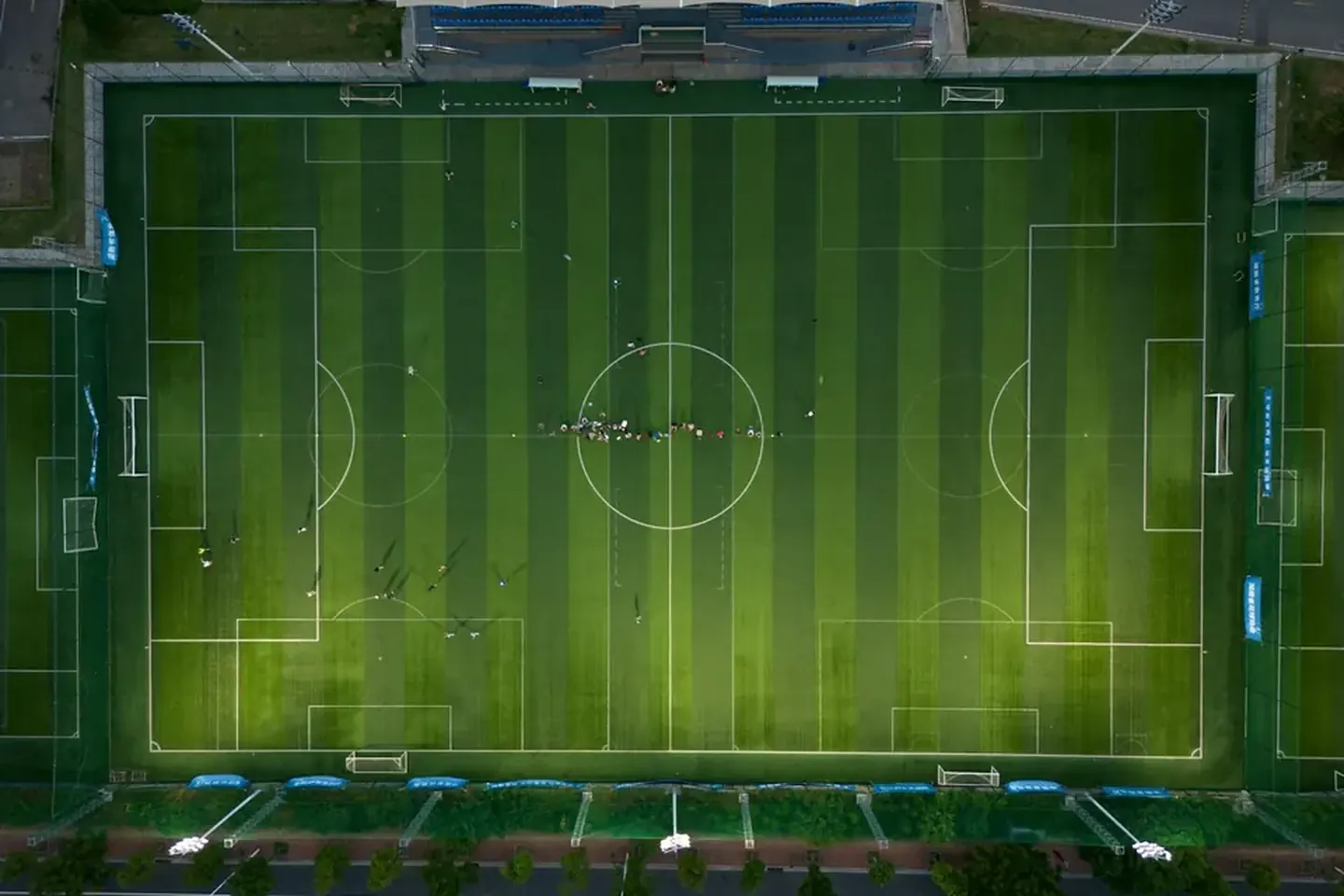
There is a moment, just before kick-off at the Stadium of Light, when the noise begins to build. It starts as a low hum from the concourses, grows into a chorus of voices in the stands, and then, as the teams emerge, it becomes something else entirely—a wall of sound that seems to press against the steel and glass of the stadium. This is not merely support; it is a statement of identity. For Sunderland AFC, the atmosphere at the Stadium of Light is not a byproduct of success. It is a constant, a force that has remained undimmed through relegations, promotions, and years of uncertainty. To understand why Sunderland fans make this stadium special, one must look beyond the architecture and into the very fabric of the club’s history.
The Legacy of Roker Park and the Birth of the Stadium of Light
The story of Sunderland’s atmosphere cannot be told without first acknowledging what came before. For nearly a century, Roker Park was the spiritual home of the Black Cats. It was a ground renowned for its intimidating atmosphere, where the famous “Roker Roar” became a byword for passionate support. When the club moved to the Stadium of Light in 1997, there was a natural anxiety: could the soul of Roker Park be transplanted into a modern all-seater stadium?
The answer, as history has shown, is a resounding yes. The Stadium of Light, with its capacity of 49,000, was designed to capture and amplify the energy of the crowd. The steep stands, the single-tier South Stand, and the proximity of the pitch to the supporters all contribute to an acoustic environment that feels both vast and intimate. From the very first match against Ajax in a pre-season friendly, the fans made it clear that the Roker Roar had found a new home. The atmosphere was not merely recreated; it was reimagined for a new era.
The Role of the Fans in the Club’s Darkest Hours
What truly sets Sunderland supporters apart is their unwavering loyalty during the most difficult periods. The double relegation from the Premier League to League One in 2017 and 2018 could have broken any fanbase. Instead, it galvanised the Wearside faithful. Season after season, the Stadium of Light remained one of the best-attended grounds in the lower divisions, with average attendances often exceeding 30,000—figures that would be the envy of many Premier League clubs.
This resilience was captured vividly in the Netflix documentary series Sunderland ‘Til I Die, which introduced a global audience to the depth of feeling that defines this community. The documentary showed not just the anguish of defeat, but the unshakeable bond between the club and its supporters. It showed fans travelling in their thousands to Wembley for the 2019 EFL Trophy final, where an estimated 40,000 Black Cats made the journey to London. It showed the raw emotion of a fanbase that refuses to give up, even when the odds seem insurmountable.
Matchday Atmosphere: A Sensory Experience
To walk into the Stadium of Light on a matchday is to experience something that statistics alone cannot capture. The pre-match build-up begins hours before kick-off, with fans gathering in the pubs and bars around the stadium, the air thick with anticipation. The walk up the steps from the concourse into the stand reveals a sea of red and white, a living mosaic of scarves, flags, and shirts.

The noise begins in earnest with the playing of the club anthem, “The Day We Caught the Train,” by Ocean Colour Scene. It is a moment of collective catharsis, a reminder that this is not just a football match but a shared ritual. During the game, the atmosphere ebbs and flows with the action. A near-miss draws a collective groan; a goal unleashes a roar that can be heard across the city. The South Stand, in particular, is known for its relentless singing, often continuing even when the team is trailing.
The Tyne-Wear Derby: A Clash of Identities
No match encapsulates the intensity of the Stadium of Light atmosphere better than the Tyne-Wear Derby against Newcastle United. This is not merely a local rivalry; it is a clash of identities, histories, and cultures. When the Magpies visit Wearside, the stadium transforms into a cauldron of noise and emotion. The rivalry, which dates back to 1898, is one of the most fiercely contested in English football.
The atmosphere on derby day is unique. The tension is palpable from the moment the teamsheets are announced. Every tackle is met with a roar, every misplaced pass with a groan. The noise levels are consistently higher than for any other fixture, and the sense of occasion is unmatched. For Sunderland fans, victory in the derby is a matter of pride that transcends league positions or form.
The Tees-Wear Derby and Other Key Fixtures
While the Tyne-Wear Derby is the standout fixture, the Stadium of Light also hosts other significant rivalries. The Tees-Wear Derby against Middlesbrough brings its own intensity, rooted in the historical and industrial connections between the two regions. These matches are often tightly contested, with the atmosphere reflecting the importance of local bragging rights.
Beyond the derbies, the stadium comes alive for any match with high stakes. The return to the Premier League has brought a new energy to the ground. Fixtures against the league’s elite have drawn crowds that remind everyone of the club’s potential. The atmosphere on those nights is a testament to the fact that Sunderland’s support has never wavered, even during the years in the Championship and League One.

The Numbers Behind the Noise
While atmosphere is inherently subjective, there are measurable indicators of the fanbase’s dedication. Sunderland’s home attendances have remained consistently high across recent seasons, even during periods in the Championship and League One. For context, many Premier League clubs would struggle to maintain such attendance levels during a relegation battle, let alone during a sustained period outside the top flight.
The Risk of Complacency and the Need for Sustained Success
As Sunderland settles back into the Premier League, there is a subtle risk that the intensity of the atmosphere could be taken for granted. The club has been through so much that the current era of stability might feel like a relief rather than a cause for celebration. However, history shows that fan engagement is not guaranteed. The challenge for the club is to maintain the connection with the community that has been forged through adversity.
The atmosphere at the Stadium of Light is not just about the noise on matchday. It is about the sense of belonging, the shared history, and the belief that better days are ahead. The club must continue to invest in its relationship with the supporters, through community programmes, fan forums, and by ensuring that the matchday experience remains accessible and inclusive. The documentary Sunderland ‘Til I Die showed the world what happens when that bond is tested; the challenge now is to nurture it during times of success.
The atmosphere at the Stadium of Light is not a product of architecture or acoustics alone. It is the living expression of a community that has stood by its club through triumph and disaster. From the legacy of Roker Park to the modern era of the Stadium of Light, Sunderland fans have proven time and again that their support is unconditional. The roar of the crowd on a derby day, the quiet resilience during a difficult season, and the sheer numbers that fill the stands week after week—all of this speaks to something deeper than football.
As the club looks ahead to the remainder of the Premier League season and beyond, the fans remain the most valuable asset. The Stadium of Light is not just a venue; it is a sanctuary, a stage, and a symbol of Wearside’s enduring spirit. For those who have experienced it, the atmosphere is unforgettable. For those who have yet to visit, it is an invitation to witness something truly special.
Reader Comments (0)