


When Sunderland AFC competes in English football, the Stadium of Light stands as more than just a venue—it is a monument to resilience, ambition, and the unbreakable bond between a club and its supporters. Opened in 1997 as a replacement for the beloved Roker Park, this 49,000-capacity stadium on the banks of the River Wear has witnessed triumph, heartbreak, and the kind of unwavering loyalty that defines Wearside. Understanding the Stadium of Light’s architecture, history, and capacity offers a window into the club’s identity—and its future.
From Roker Park to the Stadium of Light: A Necessary Transition
The decision to leave Roker Park, Sunderland’s home for 99 years (1898–1997), was not taken lightly. Roker Park, with its iconic floodlights and tight, atmospheric stands, held generations of memories—including six First Division titles between 1892 and 1936. But by the mid-1990s, the stadium was outdated. The Taylor Report’s requirement for all-seater stadia, combined with limited expansion potential and a capacity of just 22,000, forced the club’s hand.
The new stadium, initially named the Stadium of Light to honor Sunderland’s mining heritage (a reference to the Davy lamp used by miners), was built on the site of the former Monkwearmouth Colliery. This location is deeply symbolic: the club’s roots are intertwined with the coal mining communities that powered the North East’s industrial heartland. The stadium’s design, by architects HOK Sport (now Populous), aimed to capture the spirit of Roker Park while providing modern facilities.
Construction began in 1996 and was completed in just 18 months—a remarkable feat. The total cost was approximately £24 million, funded through a combination of bank loans, stadium naming rights, and a bond scheme supported by fans. The stadium officially opened on 30 July 1997 with a friendly against Ajax, drawing a crowd of 34,000.
Capacity and Layout: Designed for Atmosphere
The Stadium of Light’s capacity has evolved since its opening. Initially set at 42,000, it was expanded to 49,000 in 2000 with the addition of the North Stand upper tier, bringing it to its current configuration. This places it among the largest stadiums in the Premier League, though not the largest in the North East (St. James’ Park holds approximately 52,000).
The stadium is a four-tiered bowl, with the East and West Stands forming the main sides, and the North and South Stands behind the goals. The design prioritizes sightlines and acoustics: the steep rake of the stands ensures every seat offers a clear view of the pitch, while the enclosed bowl traps sound, creating an intimidating atmosphere for visiting teams. The South Stand, known as the Roker End, is where the most vocal supporters gather, continuing the tradition of the Roker Roar.
Stadium of Light Key Facts
| Feature | Detail |
|---|---|
| Location | Sunderland, Tyne and Wear, England |
| Opened | 30 July 1997 |
| Capacity | 49,000 (all-seater) |
| Record Attendance | 48,353 (vs. Liverpool, 13 April 2002) |
| Pitch Dimensions | 105 x 68 meters |
| Architect | HOK Sport (now Populous) |
| Construction Cost | £24 million (1997) |
| Surface | Desso GrassMaster hybrid pitch |
| Owner | Sunderland AFC |
| Naming Rights | None (stadium name is permanent) |
Architectural Features: Honoring Heritage, Embracing Modernity
The Stadium of Light’s architecture is a blend of functional design and symbolic tribute. The most striking feature is the steel and glass façade, which allows natural light to flood the concourses. The stadium’s four stands are named after key figures in Sunderland’s history: the East Stand (formerly the Fulwell End, now the South Stand), the West Stand (the Roker End), the North Stand (the Colliery Stand), and the South Stand (the Roker End).
Inside, the stadium incorporates several heritage elements. A large mining wheel, or “winding wheel,” stands outside the main entrance, a direct nod to the site’s colliery past. The stadium’s interior concourses feature displays of Sunderland’s history, including memorabilia from the six First Division titles and the 1973 FA Cup triumph. The Sir Bob Murray Stand—named after the club’s chairman during the stadium’s construction—houses the directors’ box and executive suites.
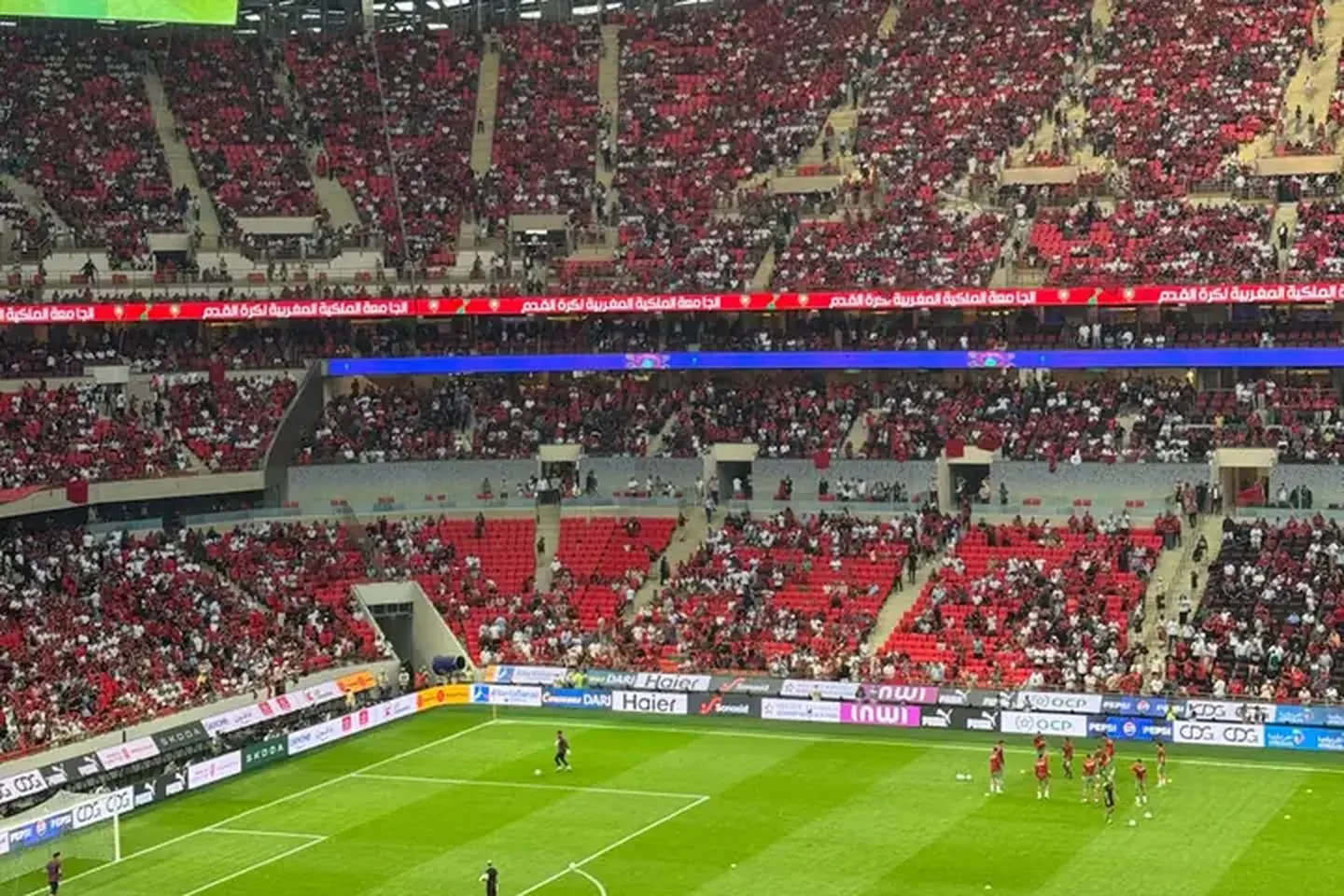
The pitch itself is a Desso GrassMaster hybrid surface, installed in 2011, which combines natural grass with synthetic fibers to improve durability and drainage. This is standard for Premier League clubs and ensures consistent playing conditions throughout the season.
The Stadium of Light in Recent Seasons: A Fortress Under Construction
As Sunderland AFC competes in English football, the Stadium of Light has been a focal point of the club’s strategy. The stadium’s capacity of 49,000 has been a key asset. The club’s fan culture, famously documented in the Netflix series “Sunderland ‘Til I Die,” remains one of the most passionate in English football. The sight of 40,000 fans traveling to London for the 2019 EFL Trophy final is a testament to the loyalty that fills the Stadium of Light week in, week out.
Comparing the Stadium of Light to Other Premier League Grounds
To contextualize the Stadium of Light within the Premier League landscape, here is a comparison with other top-flight venues:
| Stadium | Club | Capacity | Opened | Notable Feature |
|---|---|---|---|---|
| Stadium of Light | Sunderland | 49,000 | 1997 | Mining heritage design |
| St. James’ Park | Newcastle United | 52,305 | 1880 (redeveloped) | Largest in North East |
| Riverside Stadium | Middlesbrough | 34,742 | 1995 | Tees-Wear Derby venue |
| Old Trafford | Manchester United | 74,310 | 1910 | Largest in Premier League |
| Emirates Stadium | Arsenal | 60,704 | 2006 | Modern bowl design |
The Stadium of Light is the second-largest stadium in the North East after St. James’ Park, and its capacity exceeds that of Middlesbrough’s Riverside Stadium by over 14,000 seats. This gives Sunderland a distinct home advantage in the Tees-Wear Derby and other regional fixtures.
The Stadium’s Role in Sunderland’s Identity and Future
The Stadium of Light is more than a venue; it is a symbol of Sunderland’s resilience. During the club’s double relegation from 2017 to 2018, which saw them fall from the Premier League to League One, the stadium remained a gathering point for supporters. The documentary “Sunderland ‘Til I Die” captured the emotional toll of those years, but also the unwavering commitment of the fanbase. Even in League One, average attendances were often above 30,000—a figure many Championship clubs would envy.
The return to top-flight football has brought renewed investment in facilities, including upgraded hospitality suites and improved accessibility. The club’s academy, which has produced talents like Jordan Pickford and Josh Maja, continues to develop players who may one day grace the Stadium of Light pitch.
For fans looking to understand Sunderland’s journey, the stadium serves as a living archive. The six First Division titles are commemorated on the stadium’s walls, while the 2019 EFL Trophy final—despite being a defeat—is remembered as a testament to the club’s traveling support. The Tyne-Wear Derby, played at the Stadium of Light, adds another chapter to the rivalry’s storied history.

Risks and Challenges: Maintaining a Premier League Home
While the Stadium of Light is a modern and well-maintained facility, it faces challenges common to many Premier League grounds. The cost of upgrading infrastructure to meet evolving safety and broadcast standards is significant. The club must also manage the balance between matchday revenue and fan experience; ticket prices have been a point of discussion among supporters, with some expressing concern about affordability.
Additionally, the stadium’s location on the River Wear, while scenic, presents logistical issues for away fans and transport. Parking is limited, and the nearest railway station (Sunderland) is a 15-minute walk away. The club has worked with local authorities to improve bus services and cycle routes, but congestion on match days remains a complaint.
From a sporting perspective, maintaining the Stadium of Light as a fortress is critical for success. The club’s home form has been strong in various seasons, but consistency is key. The atmosphere and support from the stands play a vital role in the team’s performance.
Conclusion: A Stadium Built for the Long Haul
The Stadium of Light stands as a testament to Sunderland AFC’s history, its mining heritage, and the unbreakable spirit of its supporters. With a capacity of 49,000, a design that honors the past while embracing the future, and a location that connects the club to its community, it is more than just a football ground—it is the heart of Wearside.
As Sunderland continues its journey in English football, the stadium will host moments of drama, joy, and heartbreak. Whether it’s a Tyne-Wear Derby victory, a hard-fought draw against a top-six side, or the roar of 49,000 voices on a rainy Saturday afternoon, the Stadium of Light remains a place where memories are made. For Sunderland fans, it is home.
For further reading on Sunderland’s journey, explore our coverage of the club’s history, including the six First Division titles and detailed season statistics.
Reader Comments (0)