


For nearly a century, Roker Park stood as the spiritual heart of Sunderland AFC, a stadium that witnessed the club’s golden era, its deepest struggles, and the unwavering devotion of the Black Cats faithful. From its opening in 1898 to its final match in 1997, Roker Park was more than a venue—it was a home that shaped the identity of a football club and a city. This article explores the history, atmosphere, and legacy of one of English football’s most cherished grounds.
The Birth of a Landmark: From Newcastle Road to Roker Park
Sunderland AFC had already established itself as a dominant force in English football by the late 1890s, having won three First Division titles in the 1890s. The club’s original home at Newcastle Road, however, had become inadequate for the growing crowds. In 1897, the club purchased land in the Roker area of Sunderland, and construction began on a new stadium designed by architect Archibald Leitch, who would later create iconic grounds such as Old Trafford and Anfield.
Roker Park officially opened on 10 September 1898, with a First Division match against Liverpool. The stadium initially had a capacity of around 30,000, with a single stand on the south side and open terraces elsewhere. The first match ended in a 1–0 defeat for Sunderland, but the ground quickly became a fortress. By the early 20th century, Roker Park was renowned for its intimidating atmosphere, with the “Roker Roar” becoming a legendary sound in English football.
The stadium underwent several expansions over the decades. The iconic main stand, with its distinctive red brick facade and wooden roof, was completed in 1929 and remained a beloved feature until the end. The Fulwell End, named after the nearby Fulwell district, became the home of Sunderland’s most passionate supporters, while the Roker End accommodated away fans. The Clock Stand, added in the 1950s, provided additional seating and became a focal point for matchday gatherings.
Golden Years: Six League Titles and the Roker Roar
Roker Park was the stage for Sunderland’s most successful period. The club won its third First Division title in 1891–92, before the stadium opened, but the next three championships—in 1901–02, 1912–13, and 1935–36—were celebrated on Roker Park soil. The 1935–36 title, secured with a 3–2 victory over Aston Villa on 25 April 1936, was the club’s sixth and final league championship. The match attracted a crowd of 68,000, a record attendance at the stadium that stood until its closure.
The Roker Roar was not just a myth. Visiting teams often spoke of the deafening noise generated by the tightly packed terraces, particularly on the Fulwell End. The stadium’s design, with its steep stands and narrow pitch, amplified the sound and created an intimidating environment. Players from opposing clubs frequently noted that Roker Park was one of the most difficult places to play in English football.

The 1950s and 1960s saw Sunderland remain competitive, though without adding to the trophy cabinet. The club narrowly missed the First Division title in 1954–55, finishing second to Chelsea. Roker Park hosted FA Cup semi-finals and international matches, including a 1950 friendly between England and the Rest of the World. The stadium also witnessed the rise of local heroes such as Len Shackleton, a mercurial forward whose skill and flair made him a legend on Wearside.
Decline and Resilience: The Post-War Years
By the 1970s, Roker Park showed signs of aging. The wooden terraces and outdated facilities struggled to meet modern safety standards, and the club’s financial constraints limited investment. The 1973 FA Cup victory, though achieved at Wembley, was celebrated with a homecoming parade at Roker Park, where thousands of fans gathered to welcome the team. The stadium remained the focal point of the community, even as the club’s league position fluctuated.
The 1980s brought further challenges. Sunderland was relegated from the First Division in 1985 and again in 1987, spending several seasons in the second tier. Roker Park, once a fortress, became a place of frustration for fans who watched their team struggle. Yet the attendance remained remarkably loyal, with average crowds often exceeding 20,000 even in the second division.
The Taylor Report of 1990, which mandated all-seater stadiums in the top two divisions, sealed Roker Park’s fate. The club faced a choice: invest heavily in upgrading the aging ground or build a new stadium. Given the constraints of the site—Roker Park was surrounded by residential streets and had limited parking—a new stadium became the only viable option.
The Final Season: Saying Goodbye
The 1996–97 season was a farewell tour for Roker Park. Sunderland, then in the First Division (second tier), played its final 23 home matches at the ground. The club announced plans for a new stadium, the Stadium of Light, to be built on the site of a former colliery in Sunderland’s Monkwearmouth area. The final league match at Roker Park took place on 26 April 1997, a 3–0 victory over Everton in the Premier League—Sunderland had secured promotion the previous season.
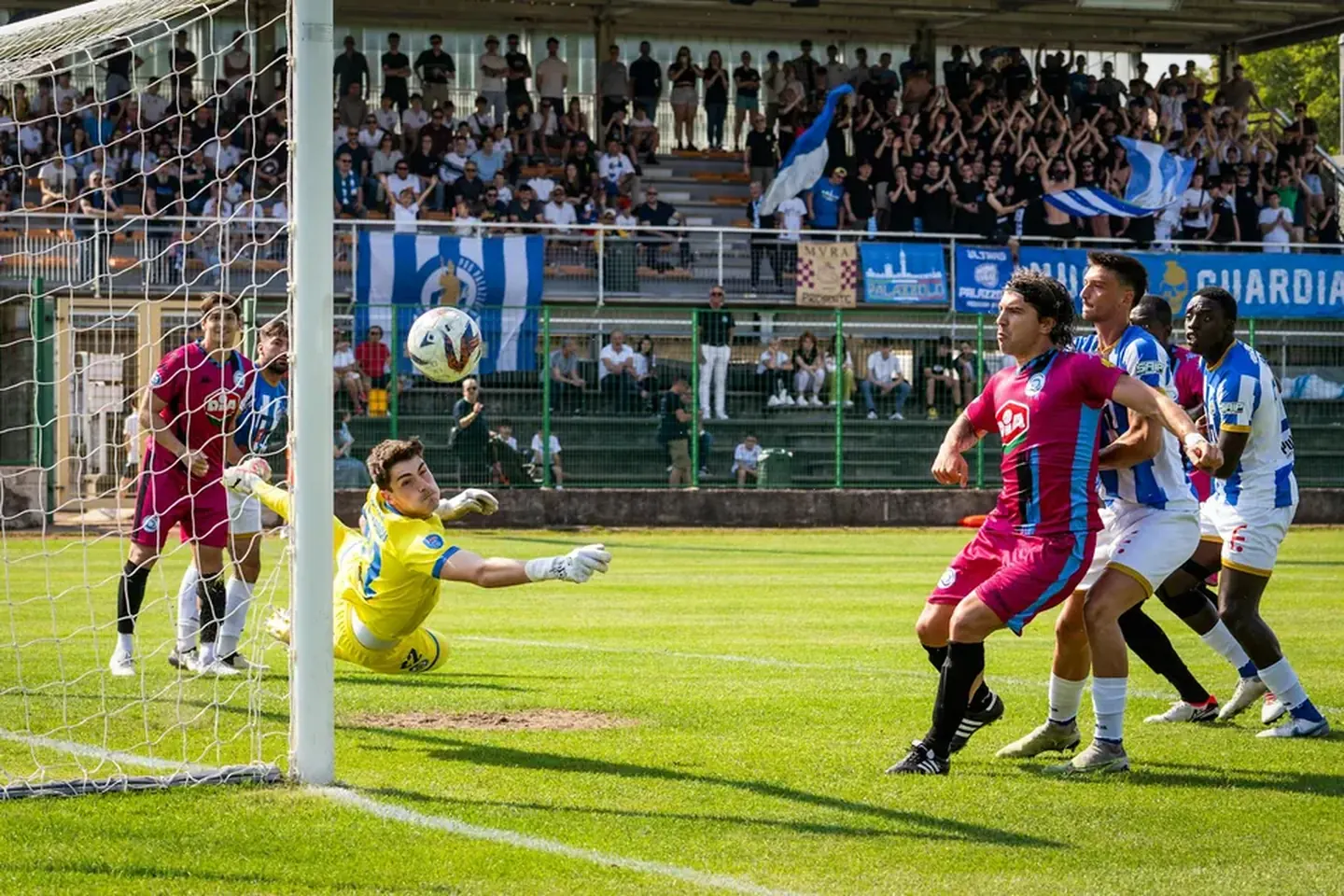
The match was an emotional occasion. Fans filled the stadium for the last time, singing “Roker Park, Roker Park” and waving scarves. The goals, scored by Kevin Phillips, Michael Gray, and Niall Quinn, were fitting tributes to a ground that had seen so many memorable moments. After the final whistle, players and fans lingered, reluctant to leave. The stadium’s gates closed for the final time, and demolition began shortly after.
Legacy and Memory
Roker Park’s legacy endures in the fabric of Sunderland AFC and its supporters. The stadium’s name lives on in the club’s history, and many fans still refer to the “Roker Roar” as a symbol of the club’s spirit. The Fulwell End, now a stand at the Stadium of Light, carries the name of the famous terrace. The club’s museum at the Stadium of Light displays artifacts from Roker Park, including turnstiles, seats, and matchday programs.
The move to the Stadium of Light in 1997 marked a new chapter for Sunderland AFC, but Roker Park remains a cherished memory for generations of supporters. For those who experienced it, the ground was not just a place to watch football—it was a home, a community, and a source of pride. The Roker Roar may have faded, but its echo can still be heard in the chants of the Black Cats faithful today.
For a deeper understanding of Sunderland’s journey, explore the club history from 1879 to the present, the cultural impact of the Sunderland ‘Til I Die documentary, and the evolution of Sunderland AFC mascot history.
Reader Comments (0)