


The Tyne-Wear Derby between Sunderland AFC and Newcastle United is one of English football's most fiercely contested rivalries, rooted in over a century of industrial, cultural, and sporting history. Since the first meeting in 1898, the fixture has evolved into a defining event for both clubs, their supporters, and the wider North East region. When the match is staged at the Stadium of Light, the atmosphere reaches a unique intensity, shaped by the venue’s design, the club’s fan culture, and the historical weight of every encounter. This article examines the origins of the rivalry, the evolution of the home ground as a cauldron of noise, and the key elements that make the Tyne-Wear Derby at the Stadium of Light a fixture unlike any other in English football.
Origins of the Rivalry: From Industrial Roots to Footballing Antagonism
The Tyne-Wear Derby traces its origins to the late 19th century, when Sunderland and Newcastle emerged as dominant forces in the nascent Football League. Sunderland, founded in 1879 as Sunderland District & Teachers Association FC, won five of their six First Division titles between 1892 and 1913, establishing themselves as one of England’s most successful early clubs. Newcastle United, formed in 1892, became a powerhouse in the Edwardian era, winning three league titles and reaching five FA Cup finals before 1914.
The rivalry intensified as both cities underwent rapid industrialisation. Sunderland, a shipbuilding and coal-mining centre, and Newcastle, a commercial and engineering hub, developed distinct identities. Football became an outlet for civic pride, with each derby match carrying symbolic weight beyond the 90 minutes on the pitch. The first league meeting on 3 December 1898 ended in a 1–1 draw at St James’ Park, and the fixture has since produced some of the most memorable moments in English football history.
By the time Sunderland moved from Roker Park to the Stadium of Light in 1997, the Tyne-Wear Derby had already become a staple of the football calendar. The new stadium, built on the site of the former Monkwearmouth Colliery, symbolised the club’s ambition to modernise while retaining its working-class roots. The first derby at the Stadium of Light took place on 13 December 1997, a 1–1 draw that saw Sunderland’s Kevin Phillips equalise after Newcastle’s Alan Shearer had opened the scoring. That match set the tone for the atmosphere that has defined the fixture ever since.
The Stadium of Light: Design and Acoustics That Amplify the Derby
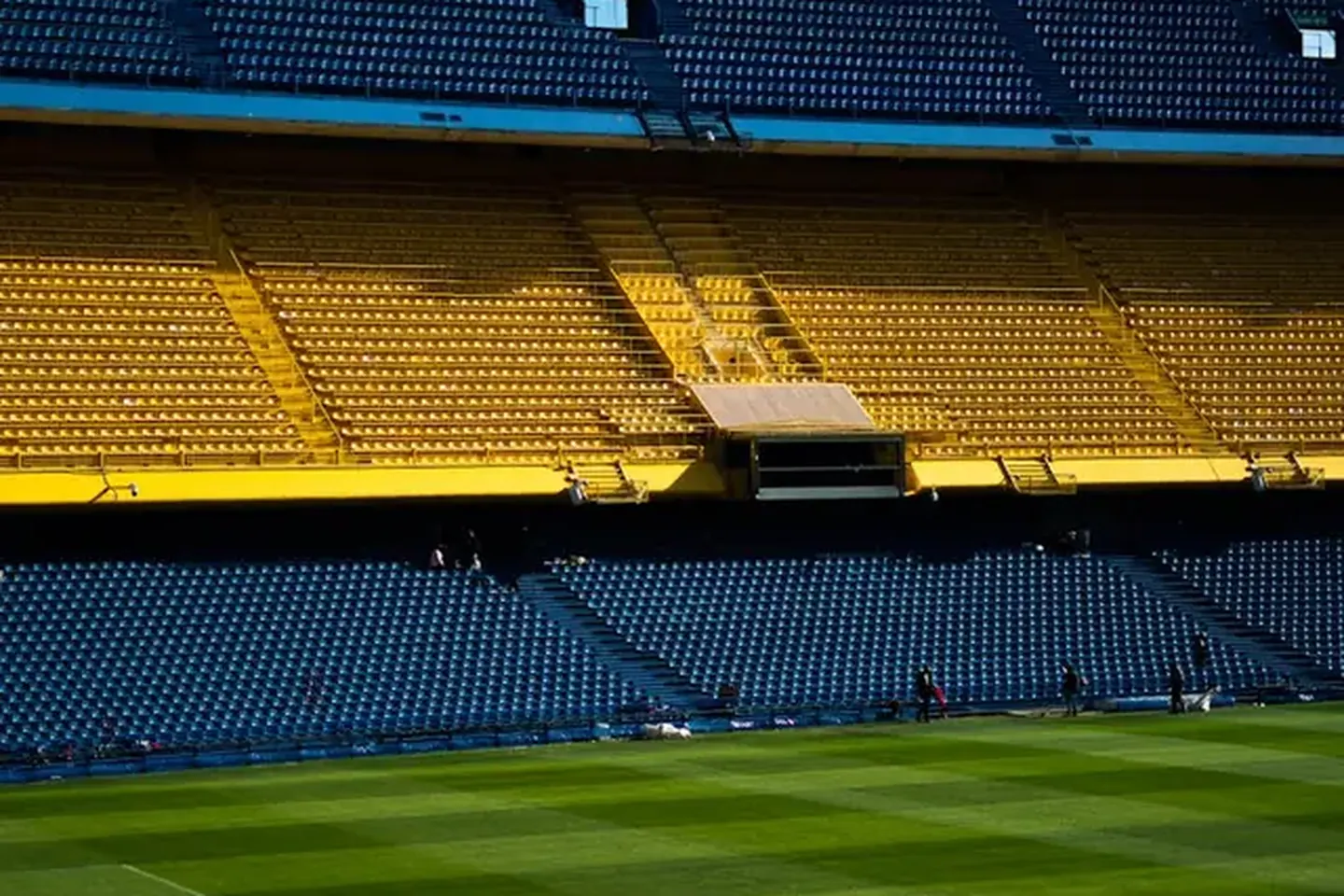
The Stadium of Light, with a capacity of 49,000, is the largest football stadium in North East England and the sixth-largest in the Premier League. Its design prioritises spectator proximity to the pitch, with steep stands that funnel sound downward and create a cauldron-like effect. The stadium’s single-tier North Stand, known as the Roker End, is the heart of the atmosphere, housing the most vocal Sunderland supporters. During derby matches, this stand generates a wall of noise that can be heard across the city.
Acoustic studies have shown that the Stadium of Light retains sound more effectively than many comparable venues due to its closed-bowl shape and lack of running track. This means that chants, drumming, and collective singing reverberate for longer, intensifying the sensory experience for players and fans alike. The stadium’s location on the banks of the River Wear also creates a natural amphitheatre effect, with the sound reflected off the water and surrounding hills.
For the Tyne-Wear Derby, the stadium’s design is particularly significant. The away section, located in the South-East corner of the stadium, is isolated from the main home stands, reducing the ability of visiting supporters to create a counter-atmosphere. This spatial arrangement has been criticised by some but is widely acknowledged as a factor in Sunderland’s home advantage in the fixture. The club’s record at the Stadium of Light against Newcastle United is competitive, with Sunderland winning several key derbies in front of their own fans, including a memorable 3–0 victory in August 2010 and a 2–1 win in March 2026.
Fan Culture and the Roker Roar
Sunderland’s fan culture is among the most passionate in English football, characterised by unwavering loyalty even during periods of adversity. The club’s double relegation from the Premier League to League One between 2017 and 2018 tested that loyalty to its limits, yet attendances remained remarkably high. The documentary series Sunderland ‘Til I Die captured this resilience for a global audience, showing how the club’s supporters continued to fill the Stadium of Light despite the team’s struggles.
The Roker Roar, a term originally used to describe the noise generated at Roker Park, has been transferred to the Stadium of Light. During derby matches, the roar is amplified by the sense of occasion. Chants such as “The Lads are on the March Again” and “Wise Men Say” are sung with particular fervour, while the club’s anthem, “The Sun Will Never Set on the Stadium of Light,” is played before kick-off. The pre-match atmosphere, with flags, banners, and coordinated displays, creates a spectacle that rivals any in the Premier League.
The club’s supporters have also developed traditions specific to the derby. The “Sunderland Til I Die” banner, displayed prominently in the Roker End, serves as a reminder of the club’s identity and the importance of the fixture. The 40,000 fans who travelled to London for the 2019 EFL Trophy final demonstrated the depth of support, and the same dedication is evident at every home derby.
Key Historical Matches at the Stadium of Light
Several Tyne-Wear Derbies at the Stadium of Light have entered club folklore. The 2–1 victory in March 2026, which secured a crucial three points in Sunderland’s debut Premier League season, was a testament to the team’s resilience and the home crowd’s influence. That match, detailed in a separate analysis on this site, saw Sunderland come from behind to win, with the stadium’s atmosphere playing a pivotal role in lifting the players.
Other notable matches include:
- 13 December 1997: The first derby at the Stadium of Light ended 1–1, with Kevin Phillips scoring Sunderland’s first derby goal at the new ground.
- 21 August 1999: Sunderland won 2–1, with goals from Kevin Phillips and Niall Quinn, in a match that showcased the team’s Premier League quality.
- 31 October 2010: A 1–1 draw saw Sunderland come from behind, with Danny Welbeck scoring a late equaliser in front of the Roker End.
- 20 December 2015: A 3–0 victory, with goals from Jermain Defoe, Duncan Watmore, and an own goal, was one of the most emphatic derby wins at the Stadium of Light.
The Derby in the 2025–26 Premier League Context
The 2025–26 Premier League season marks Sunderland’s return to the top flight after a six-year absence. The derby against Newcastle United, played on 22 March 2026, was a defining moment in the campaign. Sunderland’s 2–1 victory not only earned three points but also demonstrated the team’s ability to compete under pressure. The match was characterised by high intensity, tactical discipline, and a vocal home crowd that spurred the players on.
For the full statistical breakdown of Sunderland’s derby history, including head-to-head records and key trends, refer to the all-time derby stats page. The March 2026 win was particularly significant as it came during a period when Sunderland were fighting to secure their Premier League status. The result also had implications for Newcastle’s European ambitions, adding an extra layer of tension to the fixture.
The derby also serves as a benchmark for Sunderland’s progress under the current management. The team’s ability to control possession, create chances, and defend set pieces against a strong Newcastle side was a positive sign. However, the fixture also highlighted areas for improvement, particularly in managing the emotional intensity of the occasion.
Atmosphere and Its Impact on Performance
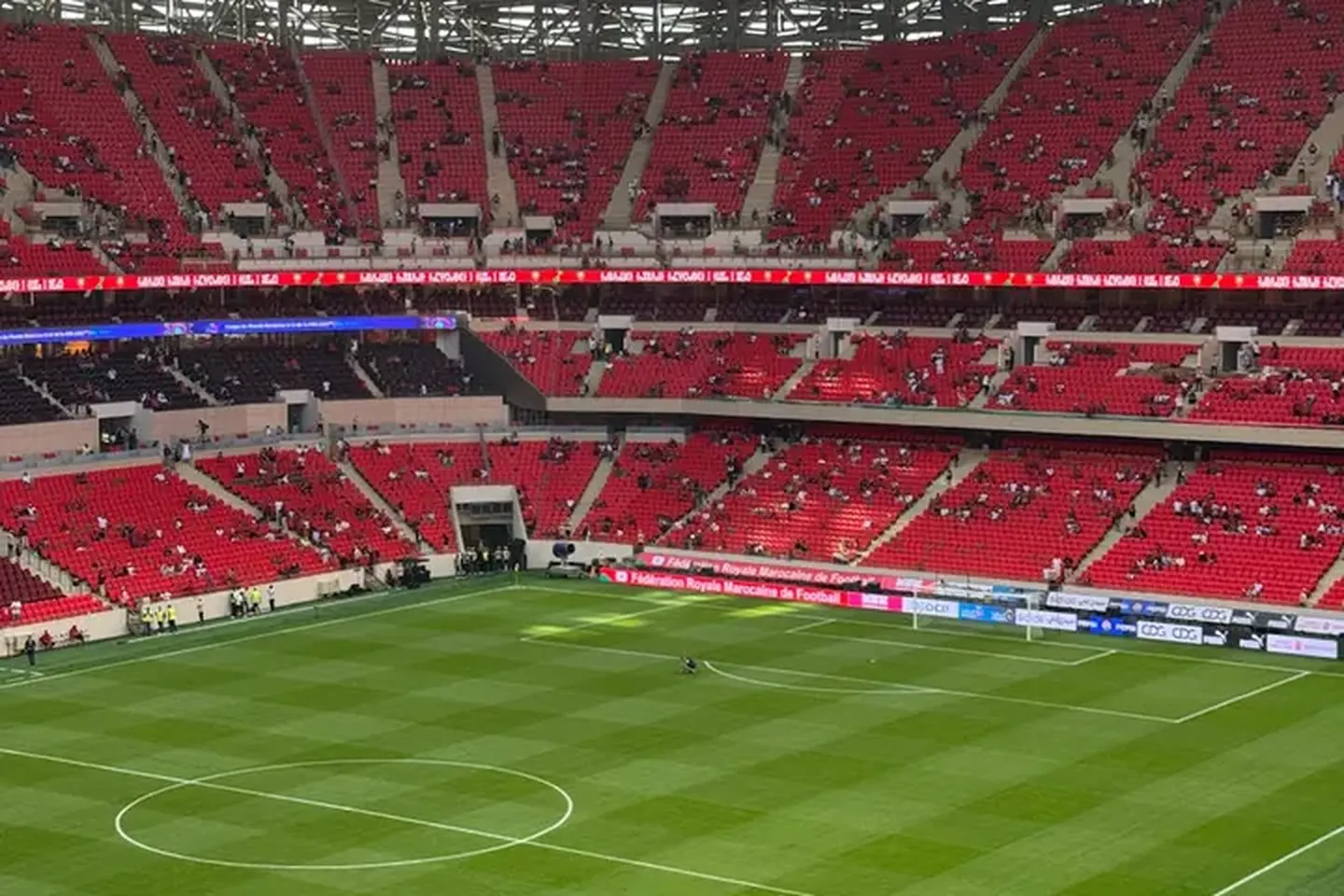
The atmosphere at the Stadium of Light during a Tyne-Wear Derby is not merely a backdrop; it is an active factor in the match’s outcome. Studies in sports psychology have shown that crowd noise can influence refereeing decisions, player performance, and even the physiological state of athletes. The sustained noise generated by 49,000 supporters can increase adrenaline levels in home players while disrupting concentration among visitors.
For Sunderland, the atmosphere has historically been a source of strength. The team’s record in derbies at the Stadium of Light is positive, with several memorable victories. The crowd’s ability to lift the team during difficult moments, such as when trailing or under pressure, has been a recurring theme. In the March 2026 derby, the home fans’ reaction to Newcastle’s opening goal was notable: rather than falling silent, the Roker End responded with increased intensity, creating a sense of defiance that helped the team fight back.
However, the atmosphere can also create pressure. Sunderland’s players must manage the expectation of 49,000 supporters, particularly when the team is struggling. The derby is a fixture where composure is as important as passion, and the ability to channel the crowd’s energy positively is a skill that separates successful teams from those that crumble under the weight of expectation.
Risks and Challenges of the Derby Atmosphere
While the atmosphere at the Stadium of Light is a source of pride, it also presents risks. The emotional intensity of the derby can lead to disciplinary issues, with players sometimes losing their composure. Sunderland’s disciplinary record in derbies has historically been mixed, with red cards and suspensions occasionally affecting subsequent matches.
The crowd’s passion can also spill over into the stands. The Tyne-Wear Derby has a history of crowd trouble, although both clubs have worked to improve safety and security in recent years. The Stadium of Light’s stewarding and segregation measures are designed to minimise incidents, but the atmosphere remains charged. Fans are advised to follow club guidelines and respect the stadium’s code of conduct.
From a footballing perspective, the derby’s intensity can lead to fatigue, both physical and mental. The match is often played at a higher tempo than a regular league fixture, and recovery time is limited. Managers must balance the desire to win the derby with the need to protect players for subsequent matches. This was a particular challenge for Sunderland in the 2025–26 season, as the team’s squad depth was tested by injuries and suspensions.
The Tyne-Wear Derby at the Stadium of Light is a fixture that embodies the passion, history, and identity of Sunderland AFC. From its industrial roots to the modern-day Premier League, the rivalry has evolved while retaining its core essence: a contest between two cities, two clubs, and two sets of supporters who care deeply about the outcome. The Stadium of Light, with its design and acoustics, amplifies this intensity, creating an atmosphere that is both intimidating for visitors and inspiring for home players.
Sunderland’s victory in March 2026 was a reminder of the power of the home crowd and the importance of the derby in the club’s season. As the club continues its journey back to the top flight, the Tyne-Wear Derby will remain a fixture that defines the campaign. For fans, players, and neutrals alike, the match is a celebration of football’s ability to unite and divide in equal measure.
For further reading on the rivalry, including historical statistics and analysis of key matches, explore the derbies and rivalries hub and the detailed report on Sunderland’s 2–1 derby win in March 2026.
Reader Comments (1)