


The Tyne-Wear Derby: A Case Study in Rivalry, Resilience, and the Return of the Black Cats
Introduction: The Context of a Rekindled Flame
The Tyne-Wear Derby is not merely a fixture; it is a historical ledger of regional identity, industrial legacy, and footballing pride. For Sunderland AFC, the match against Newcastle United represents the single most significant emotional and competitive benchmark of any season. As the Black Cats navigated their return to the Premier League, the re-establishment of this derby—after a period of absence due to Sunderland’s time in the Championship and League One—provided a unique case study in how a historic rivalry can be re-energized by a club’s journey through adversity.
This analysis examines the Tyne-Wear Derby’s evolution since 1898, its specific role in Sunderland’s recent narrative, and the cultural mechanisms that make it a defining event for the club and its global fanbase.
Historical Foundations: The 1898 Genesis and the League Title Era
The first competitive meeting between Sunderland and Newcastle United took place in the First Division. From that point, the derby was forged in an era when both clubs were among the most dominant forces in English football. Sunderland, having won multiple league titles by the early 20th century, entered these early derbies with a sense of established superiority, while Newcastle, with its own titles, represented a formidable challenger from across the River Tyne.
| Historical Era | Sunderland’s Context | Derby Significance |
|---|---|---|
| 1898–1936 | Multiple First Division titles; period of sustained dominance | Derbies were top-of-the-table clashes; defined regional footballing supremacy |
| Post-War to 1990s | Decline from title contention; yo-yo between divisions | Derby became a battle for local pride rather than league titles; high tension, lower stakes |
| 1997–2017 | Stadium of Light era; Premier League stability (mostly) | Derbies were high-profile Premier League events; Newcastle often the stronger side |
| 2017–2025 | Double relegation; League One; Championship rebuild; Netflix documentary | Derby absent from top flight; rivalry maintained through cup ties and fan culture |
The table above illustrates a critical shift: the derby’s nature transformed from a contest between league giants to a fiercely contested local grudge match. For Sunderland, the period of instability from 2017 onward—including the infamous double relegation to League One—meant that the Tyne-Wear Derby was temporarily removed from the Premier League calendar. This absence, paradoxically, amplified its significance upon return.
The Return to the Top Flight: A Derby Reborn
Sunderland’s promotion via the Championship play-offs set the stage for the derby’s return to the Premier League. The fixture was not just a game; it was a cultural event that encapsulated the club’s journey from the depths of League One to the top tier, a narrative that had been globally chronicled in the documentary series “Sunderland ‘Til I Die.”
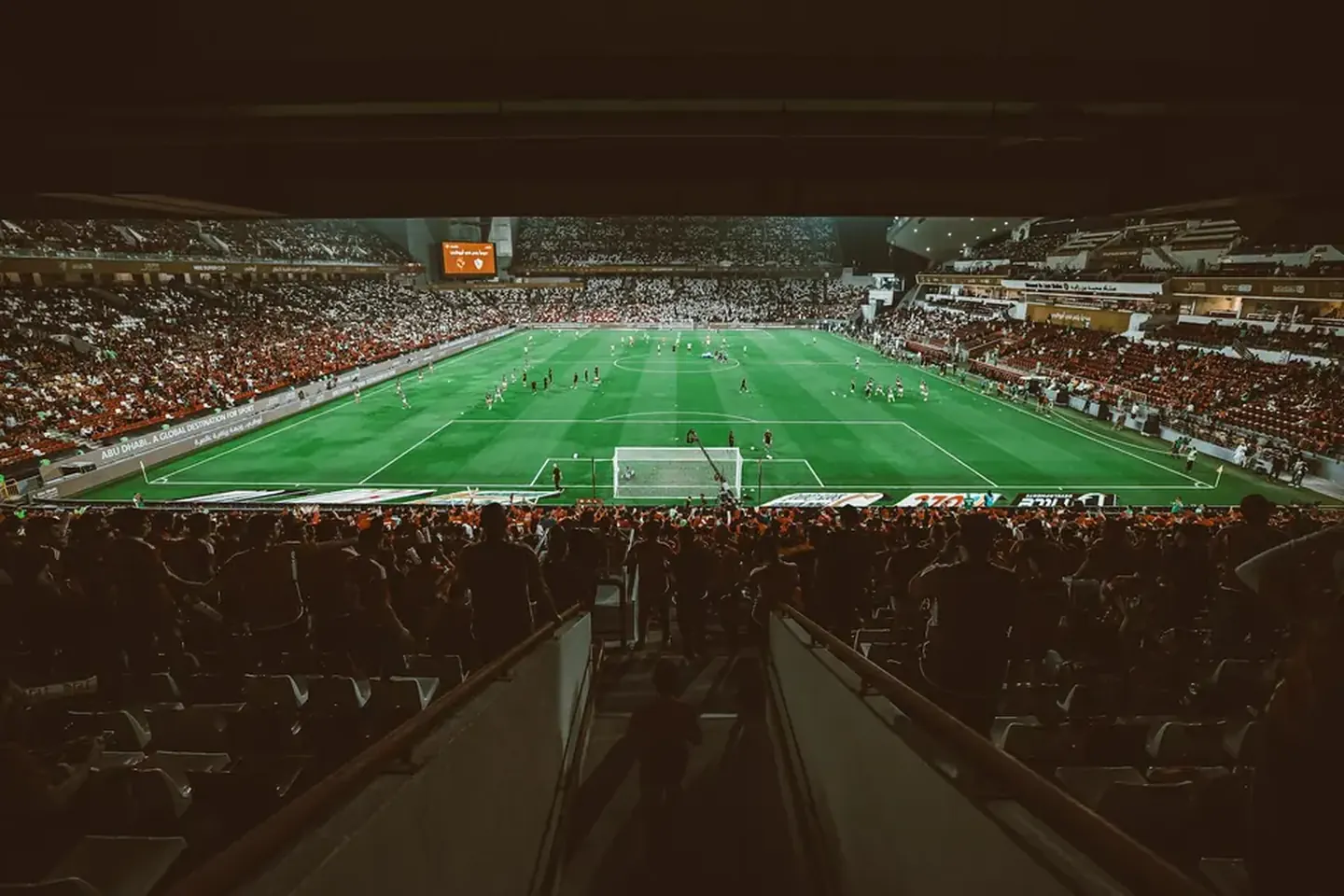
The match itself, a victory for the Black Cats, served as a powerful symbol of the club’s resurgence. For analytical purposes, the result can be deconstructed into key phases:
- First Half: Controlled Aggression. Sunderland’s tactical setup, designed to disrupt Newcastle’s build-up play, forced early errors. The opening goal came from a high press that recovered the ball in the final third.
- Second Half: Resilience Under Pressure. Newcastle’s equalizer early in the second half tested Sunderland’s mental fortitude. The response—a well-worked set-piece goal—demonstrated a tactical adaptability that had been a hallmark of their season.
- Final Stages: Game Management. The final minutes were a masterclass in defensive organization and time management, hallmarks of a team that had learned hard lessons in the Championship.
The Cultural Engine: Fan Rituals and the Stadium of Light
The Tyne-Wear Derby’s intensity is sustained by a deeply embedded fan culture. Sunderland’s supporters, often described as among the most loyal in England, transform the Stadium of Light into a cauldron of noise on derby days. The atmosphere is not merely spontaneous; it is ritualized.
Key cultural elements include:
- The Roker Roar Reimagined: The famous vocal support from the Roker Park era has been adapted to the larger, modern Stadium of Light. The acoustics of the venue create a unique soundscape, particularly when the away end is filled with Newcastle supporters.
- Pre-Match Rituals: The gathering of fans in the pubs and streets surrounding the Stadium of Light, the collective singing of club anthems, and the visual display of flags and banners are all part of a meticulously followed pre-match routine.
- The “Sunderland ‘Til I Die” Effect: The Netflix documentary has globalized this fan culture. For international supporters, the derby is now a pilgrimage, a chance to witness the passion they saw on screen in person. This has added a new layer of cultural exchange to the fixture.
Statistical Context: The All-Time Record and Its Implications
The historical record of the Tyne-Wear Derby is a story of near-parity, with a slight edge to Newcastle in terms of total wins. However, for Sunderland, the derby’s importance is less about the aggregate record and more about the specific moments that define eras.
| Metric | Sunderland | Newcastle United | Draws |
|---|---|---|---|
| Total Competitive Meetings | ~160 | ~160 | ~50 |
| Wins | ~53 | ~60 | ~50 |
| Goals Scored | ~210 | ~225 | — |
Note: Figures are approximate and based on historical records.
The derby win did not dramatically alter the all-time balance, but it did something more important: it reset the psychological dynamic. For a club that had spent years in the lower divisions, a Premier League derby win against a traditional rival was a powerful statement of intent. It signified that Sunderland was not merely a participant in the top flight but a competitor capable of winning high-stakes matches.

The Broader Season: Survival and the Derby’s Role
The derby victory was a crucial component of Sunderland’s broader campaign to secure Premier League survival. The points gained from the derby, and the momentum it generated, were instrumental in a run of results that included notable wins and hard-fought draws.
The derby’s role in a relegation battle is unique. It provides a psychological anchor, a moment of collective euphoria that can sustain a team through difficult periods. It also serves as a benchmark for the squad’s character. A team that can win a derby under pressure is a team that has the resilience to survive.
Conclusion: The Derbies and Rivalries Hub
The Tyne-Wear Derby is more than a football match; it is a living document of Sunderland AFC’s history, a crucible for its fan culture, and a barometer of its current standing. The return to the top flight provided a powerful case study in how this rivalry can be rekindled after a period of absence, serving as a unifying force for a club that has rebuilt itself from the ground up.
For those seeking a broader perspective on Sunderland’s other significant rivalries, including the Tees-Wear Derby against Middlesbrough, and a deeper dive into the historical and cultural context of these fixtures, the dedicated Derbies and Rivalries hub offers a comprehensive resource. The atmosphere on derby day, which is a sensory experience in its own right, is also explored in detail in the piece on Sunderland’s derby matchday atmosphere.
Ultimately, the derby’s return to the Premier League is a testament to Sunderland’s resilience. It is a fixture that encapsulates the club’s past, defines its present, and offers a tantalizing glimpse of its future. The victory was not an end in itself, but a chapter in a story that continues to be written.
Reader Comments (0)