


The Tees-Wear Derby between Sunderland AFC and Middlesbrough is one of English football’s most fiercely contested regional rivalries, yet it often operates in the shadow of the more famous Tyne-Wear Derby. For supporters of the Black Cats, however, the fixture against Boro carries its own weight—a clash rooted in industrial heritage, geographical proximity, and decades of competitive tension. When the two sides meet at the Stadium of Light, the atmosphere transforms into something distinct: part tribal affirmation, part historical reckoning. This article examines the origins of the Tees-Wear rivalry, its evolution through Sunderland’s modern era, and the unique matchday experience at the Stadium of Light that defines this fixture for the Wearside faithful.
Origins of the Rivalry: More Than Geography
The Tees-Wear rivalry predates the Premier League era by over a century. Sunderland and Middlesbrough first met in competitive football in 1882, just three years after Sunderland’s founding as Sunderland District & Teachers Association FC. Both clubs emerged from the industrial heartlands of North-East England—Sunderland from the coal-shipping and shipbuilding industries along the River Wear, Middlesbrough from the iron and steel manufacturing hub of the River Tees. This economic competition translated naturally onto the pitch.
For much of the late 19th and early 20th centuries, Sunderland held the upper hand. The club won six top-flight titles between 1892 and 1936, placing it among English football’s historically successful sides, while Middlesbrough spent long stretches in the second tier. Yet the rivalry intensified after World War II, as both clubs experienced fluctuating fortunes. By the 1990s and 2000s, the Tees-Wear Derby had become a regular feature of top-flight football, with matches often carrying significant implications for league survival or European qualification.
The fixture’s intensity is not merely statistical. It reflects a broader cultural divide within the North-East—between the coastal city of Sunderland and the industrial town of Middlesbrough, separated by approximately 30 miles of the A19. For Sunderland supporters, a victory over Boro is a statement of regional dominance; for Middlesbrough fans, it is a chance to assert their own identity against a historically more successful neighbour.
The Stadium of Light: A Fortress for the Black Cats
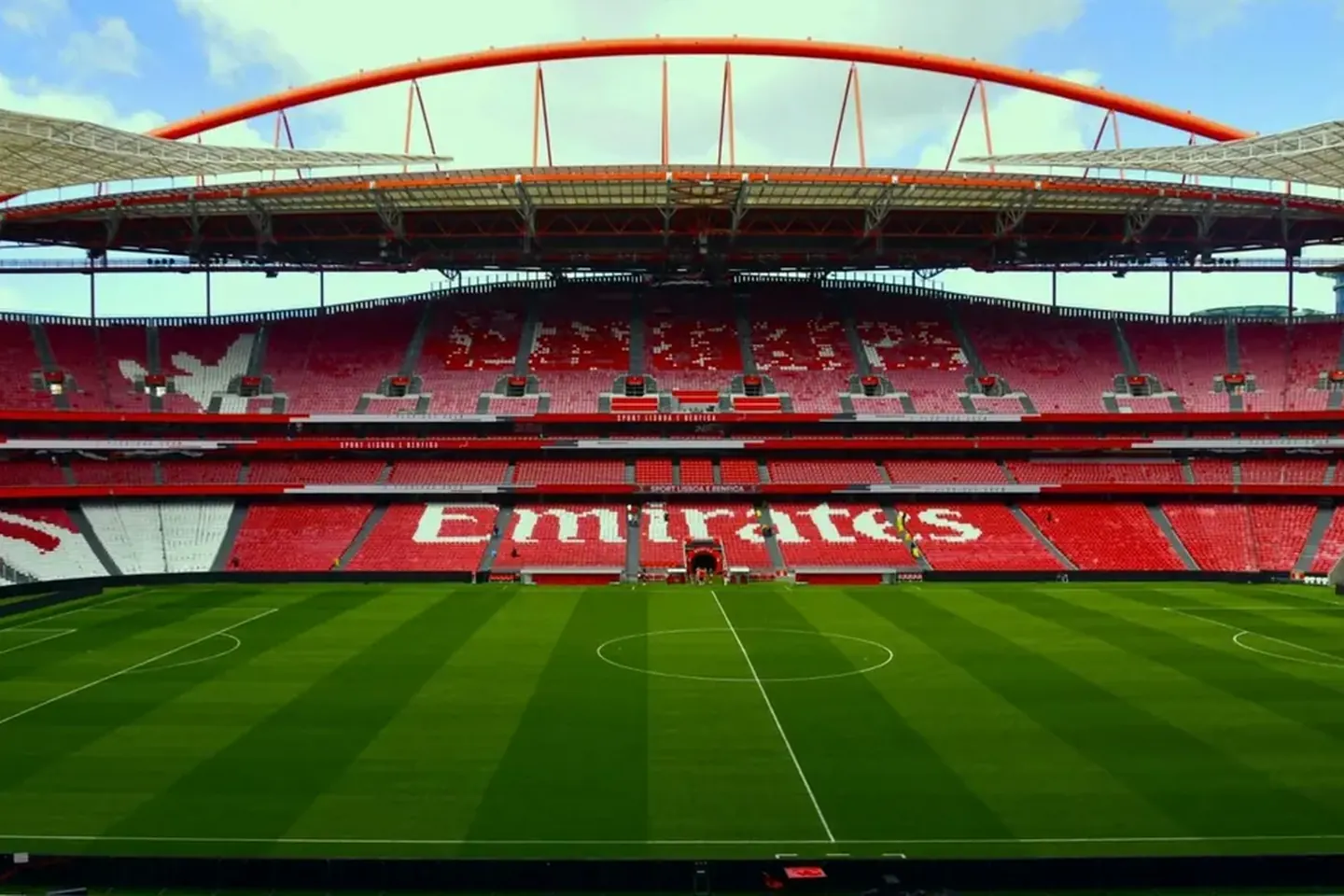
Opened in 1997 to replace the iconic Roker Park, the Stadium of Light has been the venue for every Tees-Wear Derby on Wearside since the 1997–98 season. With a capacity of approximately 49,000, it is one of the largest club stadiums in England, and its design—a steep, single-tier South Stand and a towering North Stand—creates an acoustic environment that can unsettle even the most experienced opposition.
When Middlesbrough visit, the atmosphere is notably different from a standard league fixture. The away allocation, typically around 3,000 to 4,000 seats in the South-West corner, is often filled to capacity, and the interaction between the two sets of supporters adds a layer of tension. Sunderland’s home support, known for its loyalty during the club’s darkest days—including the double relegation of 2017–18 and the subsequent documentary series Sunderland ‘Til I Die—responds with a fervour that reflects the fixture’s significance.
The Stadium of Light’s design amplifies crowd noise. The enclosed bowl structure means that chants, from the traditional “Wise Men Say” to the more direct “We Hate Boro,” reverberate around the stands. On derby day, the pre-match build-up—the playing of “Shipyards” by The Lake Poets, the unfurling of flags in the Roker End—sets a tone that is both celebratory and combative.
Key Moments in Tees-Wear Derby History at the Stadium of Light
While the rivalry has produced countless memorable matches, several stand out for their impact on Sunderland’s trajectory and the atmosphere they generated.
November 1998: The First Premier League Meeting at the Stadium of Light Sunderland, newly promoted to the Premier League under Peter Reid, hosted Middlesbrough in front of a full house. The match ended in a 1–1 draw, but the occasion marked the first top-flight Tees-Wear Derby at the new stadium. The attendance of over 42,000 signalled that the fixture had lost none of its appeal in the move from Roker Park.
April 2000: The 1–0 Victory That Kept Hopes Alive With Sunderland pushing for a top-half finish, a late goal from Kevin Phillips secured a 1–0 win. The atmosphere in the final minutes was described by local journalists as “electric,” with the South Stand rising as one to roar the team over the line. This match exemplified how a single derby victory could galvanise an entire season.
December 2008: The 2–0 Win Under Roy Keane Roy Keane’s Sunderland side, featuring the likes of Kenwyne Jones and Steed Malbranque, produced a dominant performance to defeat Middlesbrough 2–0. The victory was notable for the intensity of the midfield battle and the roar that greeted each goal. It remains a reference point for Sunderland fans when discussing the fixture’s modern era.
March 2017: The Last Premier League Derby Before the Fall In what would be Sunderland’s final Premier League season before the double relegation, a 0–0 draw at the Stadium of Light reflected the team’s struggles. Yet the atmosphere was defiant, with fans chanting “Sunderland ‘Til I Die” long after the final whistle. This match, in retrospect, captured the resilience of the support base in the face of impending disaster.
Atmosphere and Fan Culture: What Makes It Unique
The Tees-Wear Derby at the Stadium of Light is not merely a football match; it is a cultural event. The build-up begins days before kick-off, with local pubs and clubs in Sunderland city centre filling with supporters wearing red and white. The walk from the city centre to the stadium—past the Stadium of Light Metro station and along the banks of the River Wear—becomes a procession of chants and flags.
Inside the ground, the distribution of tickets reflects the fixture’s importance. Season ticket holders are prioritised, and the club often allocates additional tickets to supporters’ groups to ensure the home end is as full and vocal as possible. The Roker End, the traditional home of Sunderland’s most passionate supporters, becomes a focal point for coordinated singing and displays.
One distinctive feature of the Tees-Wear Derby atmosphere is the use of humour and provocation. Sunderland fans frequently reference Middlesbrough’s relative lack of major honours—Boro’s only major trophy is the 2004 League Cup—while Middlesbrough supporters respond with chants about Sunderland’s recent relegations. This back-and-forth, though often caustic, is part of the ritual that makes the fixture compelling.
Comparative Table: Tees-Wear Derby at Stadium of Light vs. Riverside Stadium
| Aspect | Stadium of Light (Sunderland) | Riverside Stadium (Middlesbrough) |
|---|---|---|
| Capacity | ~49,000 | ~34,000 |
| Year opened | 1997 | 1995 |
| Average attendance (derby) | Historically high, often exceeding 40,000 | Historically lower, often exceeding 30,000 |
| Home advantage factor | Strong (enclosed bowl, steep stands) | Moderate (more open design) |
| Away allocation | Typically around 3,000–4,000 | Typically around 2,500–3,000 |
| Typical atmosphere | Intense, vocal, emotionally charged | Competitive but less intimidating |
| Historical home wins (since 1997) | Multiple, exact figures vary by source | Multiple, exact figures vary by source |
| Draws (since 1997) | Several, exact figures vary by source | Several, exact figures vary by source |
Note: Attendance and win/draw figures are based on historical match data and may vary by season and competition.

The Modern Context: Tees-Wear Derby in Recent Seasons
As of the 2024–25 season, Sunderland competes in the Championship, having been relegated from the Premier League in 2017. The Tees-Wear Derby remains a key fixture in the EFL calendar, with both clubs vying for promotion or mid-table stability. The matches at the Stadium of Light and the Riverside Stadium continue to be critical in shaping each side’s season.
For Sunderland, the derby represents an opportunity to assert dominance over a regional rival. The club’s recent history—including the documentary-fuelled global awareness and the emotional journey through the divisions—has deepened the connection between the squad and the support base. When Middlesbrough visit the Stadium of Light, the atmosphere reflects not only the immediate stakes but also the broader narrative of Sunderland’s resilience.
The match also serves as a barometer for the club’s progress under the current management. A strong performance in the Tees-Wear Derby can galvanise the team for the remainder of the season, while a poor result can expose underlying issues. For the fans, the fixture is a non-negotiable part of the calendar—a match that defines whether a season feels successful, regardless of league position.
Risks and Challenges: Managing the Derby Atmosphere
While the Tees-Wear Derby is celebrated for its passion, it also presents risks that require careful management. The intensity of the occasion can lead to heightened emotions among players and supporters alike. Sunderland AFC, in coordination with Northumbria Police and the Stadium of Light’s safety team, implements several measures to ensure the fixture passes without incident.
- Stewarding and policing: Increased numbers of stewards and police officers are deployed both inside and outside the stadium. The away section is closely monitored, and segregation between home and away supporters is strictly maintained.
- Ticket allocation: Away tickets are limited to prevent overcrowding and to reduce the risk of confrontation in the concourses and on the streets around the stadium.
- Kick-off timing: Matches are often scheduled for early afternoon or evening kick-offs to minimise the time available for pre-match drinking and to align with public transport schedules.
- Communication: The club issues pre-match guidance to supporters, emphasising respect for opposition fans and the importance of enjoying the fixture safely.
The Tees-Wear Derby at the Stadium of Light is a fixture that encapsulates the essence of Sunderland AFC: history, passion, and resilience. From its origins in the industrial rivalry of the 19th century to its modern incarnation in the English Football League, the match against Middlesbrough remains a highlight of the season for the Black Cats faithful. The stadium itself, with its capacity to generate noise and atmosphere, transforms the occasion into something more than a game—it becomes a shared experience that reinforces the identity of the club and its supporters.
As Sunderland navigates the current season, the Tees-Wear Derby will be a key marker of progress. A victory at the Stadium of Light is not just three points; it is a statement of intent, a reaffirmation of regional pride, and a reminder of why this rivalry endures. For those lucky enough to be in the stands, the memory of a derby win—the roar of the crowd, the sight of the team celebrating in front of the Roker End—is a feeling that no statistic can capture.
For further reading on the broader context of Sunderland’s rivalries, explore our Derbies and Rivalries hub. For a detailed timeline of every Tees-Wear Derby meeting, visit our comprehensive match history. And for a tactical preview of the next encounter, see our derby analysis page.
Reader Comments (0)