


The Premier League campaign has been a baptism of fire for Sunderland AFC, and while the return to the top flight has been celebrated by the 49,000 faithful at the Stadium of Light, the squad’s structural deficiencies have become increasingly apparent. Having secured promotion via the Championship play-offs, the Black Cats now face the harsh reality of competing against sides with significantly deeper resources and more established top-flight experience. This troubleshooting guide identifies the specific weak spots in the current squad, offers actionable steps to address them, and clarifies when external intervention—whether through the transfer market or specialist coaching—is required.
Defensive Vulnerability: The Centre-Back Crisis
The most glaring weakness in Sunderland’s setup has been the centre-back position. While the Championship campaign was built on a relatively solid defensive foundation, the step up in quality has exposed a lack of pace, aerial dominance, and tactical discipline. Opponents have consistently exploited the spaces between the centre-backs and full-backs, particularly in transition.
The Problem: The current pairing, while competent in the second tier, lacks the recovery speed to handle Premier League forwards who can turn and run behind. Set-piece vulnerability has also been a recurring issue, with the team conceding a disproportionate number of goals from dead-ball situations.
Step-by-Step Solution:
- Assess Current Personnel: Review the form guide of each centre-back in the squad, focusing on metrics such as duels won per 90 minutes, interceptions, and clearances under pressure. This data will identify who is performing at a Premier League standard and who is being exposed.
- Identify the Profile Needed: The ideal signing should possess Premier League or equivalent top-flight experience, strong aerial ability, and the pace to cover ground in a high defensive line.
- Explore the Loan Market: With limited January window funds, a loan move for a Premier League fringe player—someone who has fallen out of favour at a bigger club but has proven top-flight pedigree—could provide immediate stability. Look for players aged 24-28 with significant Premier League appearances.
- Integrate Academy Talent: Sunderland’s Academy has produced several promising defenders. Consider promoting a young centre-back for cup matches or as a substitute to build experience without risking the league campaign. This also aligns with the club’s long-term philosophy of developing homegrown talent.
Midfield Creativity and Goal Threat
The midfield has been a battleground, but the numbers tell a concerning story. Sunderland’s central midfielders have contributed fewer goals and assists than many other teams in the bottom half of the Premier League table. The reliance on a single creative outlet—often the number ten or a wide forward drifting inside—has made the attack predictable.
The Problem: The engine room lacks a player who can consistently break lines with passing or carry the ball forward. The defensive midfielders are solid in breaking up play but offer little going forward, while the more advanced midfielders have struggled to find space against deeper-lying defences.
Step-by-Step Solution:
- Tactical Adjustment: Before considering new signings, experiment with a formation change. Shifting from a 4-2-3-1 to a 4-3-3 with a more advanced number eight could provide additional support to the lone striker. This requires one of the defensive midfielders to take on a box-to-box role, which may suit the squad’s existing athleticism.
- Target a Creative Midfielder: The priority in the transfer market should be a midfielder who averages a high number of key passes per game and has a proven record of scoring from midfield. This profile is expensive, but a younger player from the Championship or a lower Premier League side could be affordable.
- Utilise Set-Piece Delivery: If creativity from open play is lacking, maximise set-piece opportunities. Identify the best dead-ball taker in the squad and work on routines that target the centre-backs and midfield runners. This is a low-cost, high-impact solution.
- Rotate the Squad: Midfielders are prone to fatigue, especially in a demanding Premier League season. Use the full squad depth, including players from the Academy, to keep legs fresh and maintain intensity.
Striker Depth and Clinical Finishing
The number nine position has been a source of frustration for Sunderland fans. While the primary striker has shown flashes of quality, the lack of a reliable backup has meant that when the first-choice is injured or out of form, the attack becomes blunt. The goalscoring burden has fallen disproportionately on wide players and midfielders, which is unsustainable.
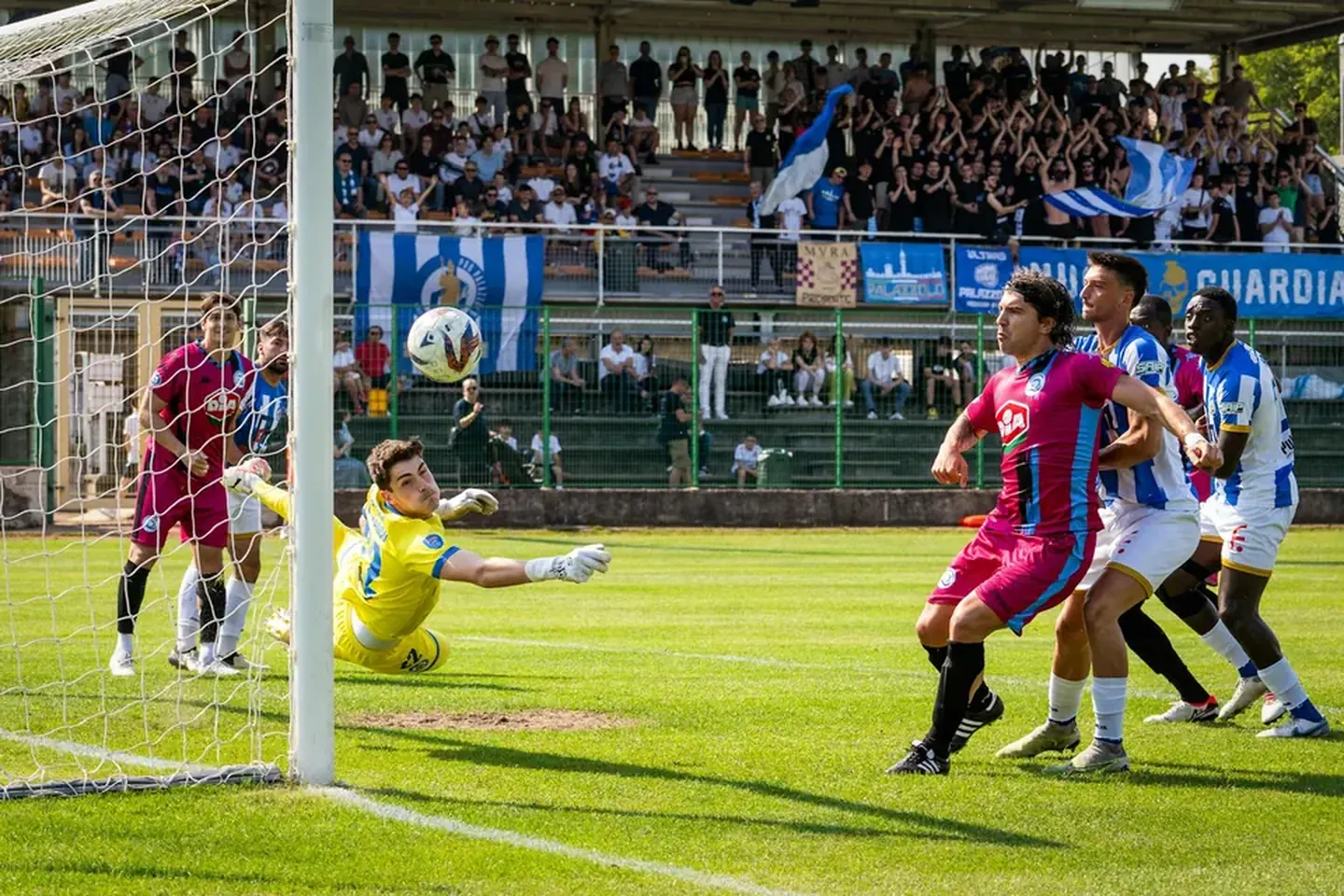
The Problem: The squad has only one striker with proven Premier League finishing ability. The alternatives are either young and inexperienced or have struggled with injuries. The conversion rate of chances has been below the league average, with many clear-cut opportunities squandered.
Step-by-Step Solution:
- Analyse Chance Creation vs. Conversion: Use match statistics to identify whether the issue is poor finishing or insufficient service. If the team is creating high-quality chances but not scoring, the striker’s finishing technique and decision-making need improvement. If chances are few, the midfield and wide players are the root cause.
- Target a Physical Striker: The ideal signing should be a target man who can hold up the ball, bring others into play, and finish with either foot. This profile is often available on loan from Premier League rivals or from European leagues where the player has Champions League experience.
- Develop the Academy Striker: Sunderland’s Academy has produced promising forwards in recent years. Give the most advanced young striker first-team minutes in cup competitions and as a substitute in league matches. This not only builds depth but also demonstrates a pathway to the first team, which aids recruitment.
- Change the System: If no suitable striker is available, consider playing a false nine or two wide forwards who can interchange positions. This system has worked for other promoted sides and can mask the lack of a traditional number nine.
Full-Back Consistency and Overlapping Threat
The full-back positions have been a revolving door this season, with injuries and inconsistent form disrupting the team’s ability to build attacks from wide areas. Both the left and right flanks have struggled to provide consistent crosses and overlapping runs, which has limited the effectiveness of the wide forwards.
The Problem: The defensive full-backs are solid but offer little going forward, while the attacking full-backs are prone to being caught out of position. The balance between defence and attack has been difficult to achieve, leading to vulnerability on the counter-attack.
Step-by-Step Solution:
- Identify the Best Defensive-Attacking Balance: Review the form guide of each full-back to determine who offers the best combination of defensive solidity and attacking output. If one side is stronger defensively, pair them with a more attacking midfielder or winger to compensate.
- Target a Two-Way Full-Back: The priority signing should be a full-back who can defend one-on-one and also deliver accurate crosses into the box. This player should have good stamina to cover the entire flank for 90 minutes.
- Use Tactical Flexibility: In matches against stronger opponents, use a more defensive full-back on one side and an attacking one on the other. This creates a lopsided formation that can still provide width while maintaining defensive stability.
- Train Overlapping Runs: Dedicate training sessions to timing of overlapping runs and crossing accuracy. This is a low-cost solution that can significantly improve the attacking threat from wide areas.
Squad Depth and Rotation
Beyond the starting eleven, the squad lacks the quality to rotate effectively. Injuries to key players have exposed a significant drop-off in performance, particularly in midfield and attack. The Championship-winning squad was built on a core of players, but the Premier League demands a squad of more reliable options.
The Problem: The bench rarely offers game-changing options. Substitutes have often failed to maintain the team’s intensity, leading to dropped points in the final 20 minutes of matches.

Step-by-Step Solution:
- Identify the Weakest Positions: Use the Player Form Guide to pinpoint which positions have the largest performance gap between starters and backups.
- Target Versatile Players: When signing new players, prioritise those who can cover multiple positions. A midfielder who can also play as a full-back or a winger who can play as a striker significantly increases tactical flexibility.
- Utilise the Academy More: The Sunderland AFC Academy has a strong reputation for producing first-team-ready players. Give young players minutes in the Premier League to build experience, even if it means accepting some inconsistency. This is a long-term investment.
- Manage Minutes Carefully: Use sports science data to monitor player fatigue. Rotate the squad in less demanding matches, such as cup ties or matches against lower-ranked opponents, to keep the core fresh for crucial league fixtures.
Contract Expiry and Future Planning
The contract expiry situation adds another layer of urgency. Several key players are approaching the final year of their contracts, and failure to secure their futures could lead to a fire sale next summer. This uncertainty affects squad morale and planning.
The Problem: The club faces a dilemma between offering new contracts to players who may not be Premier League quality and losing them for free. The transfer value of these players is depreciating with each passing window.
Step-by-Step Solution:
- Prioritise Contract Negotiations: Identify the three most important players whose contracts are expiring and open negotiations immediately. Offer competitive terms that reflect their contribution and potential resale value.
- Make a Decision on Fringe Players: For players who are not part of the long-term plans, make a decision now. Either sell them in the summer window to generate funds or extend their contracts to protect their value. Indecision is the worst outcome.
- Plan for Replacements: For players who are likely to leave, identify targets who can fill their roles. This planning should be done now, even if the actual transfers happen later.
- Communicate with the Squad: Maintain open lines of communication with players and their representatives. Uncertainty breeds discontent, which can affect on-pitch performance.
Conclusion: A Targeted Approach to Survival
Sunderland’s return to the Premier League has been a rollercoaster, but the squad’s weak spots are clear and addressable. The priorities are a commanding centre-back, a creative midfielder, and a reliable backup striker. The January transfer window offers an opportunity to make targeted signings, but the club must also maximise its existing resources through tactical adjustments, Academy integration, and contract management.
The path to survival lies not in panic spending but in intelligent, data-driven decisions. By focusing on the specific weaknesses outlined here and seeking specialist help when the internal solutions are insufficient, Sunderland can build a squad capable of not just surviving but establishing a foothold in the Premier League for seasons to come. The Stadium of Light faithful deserve nothing less.
For a comprehensive overview of the current squad, visit the Players and Squad Profiles page, and stay updated with the latest form and statistics through the Player Form Guide.
Reader Comments (0)