


So you're looking at the fixture list and you've spotted it—that trip down the A19 or the visit of Boro to the Stadium of Light. The Tees-Wear Derby. It's not just another three points; it's about pride, bragging rights, and that feeling when you can walk into work on Monday knowing your team came out on top. But let's be honest, these games aren't always pretty. They're tense, scrappy, and often decided by a single moment of quality or a catastrophic error. So, how does Sunderland actually get the job done against Middlesbrough? Let's break it down, not with magic formulas, but with the tactical patterns that tend to work in this fixture.
The Problem: Why Middlesbrough Are Tricky Opponents
First, let's talk about the challenge. Middlesbrough, under their current setup, aren't a team that rolls over. They're organised, they've got physical presence, and they know exactly how to frustrate a derby-day crowd. In recent meetings, the recurring issue for Sunderland has been breaking down a compact Boro defence. When they sit deep, pack the midfield, and look to hit on the counter, the Black Cats can sometimes run out of ideas. You've seen it happen—the ball gets knocked around the back, crosses go into the box but nobody's there, and the crowd gets restless. The key is to avoid falling into that trap.
Step 1: Win the Midfield Battle Early
The first tactical priority is simple in theory but difficult in execution: control the centre of the park. Middlesbrough often try to overload the middle third, using their central midfielders to squeeze space and cut off passing lanes to Sunderland's creative players. If the Black Cats' midfield gets bypassed or outnumbered, the game becomes a long-ball lottery, and that's not a recipe for derby success.
What to look for: Sunderland need to match Boro's shape, ideally with a midfield three that can both press and retain possession. The holding midfielder—whoever that is on the day—has a crucial job: sit in front of the back four, cut out those dangerous through balls, and then quickly turn defence into attack. If the midfield can establish a foothold in the first 15–20 minutes, it sets the tone for the entire afternoon.
When it's working: You'll see Sunderland stringing together passes in the Boro half, with the full-backs pushing high and the wingers staying wide to stretch the play.
When it's not: The ball keeps coming back, Boro win second balls, and the Stadium of Light (or the Riverside) starts to feel like a cage.
Step 2: Exploit the Wide Areas—But With Purpose
Here's a common frustration: Sunderland get the ball wide, the crowd roars for a cross, but the delivery is either too deep or straight at the goalkeeper. Against a team like Middlesbrough, who often defend with a deep block, you need more than just hopeful balls into the box. You need variety.
The solution: Use the wide players to create 2v1 situations against Boro's full-backs. That means the winger and the overlapping full-back working in tandem, dragging defenders out of position. Once you've created that space, the key is the quality of the delivery—low, driven crosses across the six-yard box are far more dangerous than floated balls that the centre-backs can head clear. If Sunderland can get to the byline and pull the ball back, that's where the goals often come from in this fixture.
A tactical note: Don't be afraid to switch the play quickly. If Boro overload one side, a diagonal ball to the opposite flank can catch them out of shape. It sounds simple, but in the heat of a derby, players often forget to look up.
Step 3: Press at the Right Moments, Not All the Time
Derby days are emotional, and there's a temptation to chase every ball like it's the last minute of a cup final. But a reckless press against Middlesbrough can be suicidal. They've got players who can play out from the back and pick a pass if you leave gaps.
The smarter approach: Trigger the press only when Boro are in certain areas of the pitch—usually when the ball goes to their full-backs or when they're forced to play a risky pass across their own box. If Sunderland press as a unit, with the forwards cutting off passing lanes to the midfield, they can force mistakes. But if one player goes solo and gets bypassed, suddenly Boro have a 4v3 situation and the crowd is holding its breath.
When to back off: If Boro's centre-backs have time and space, drop into a mid-block. Let them have the ball in non-dangerous areas. It's frustrating to watch, but it's often more effective than chasing shadows.
Step 4: Set Pieces Are Non-Negotiable
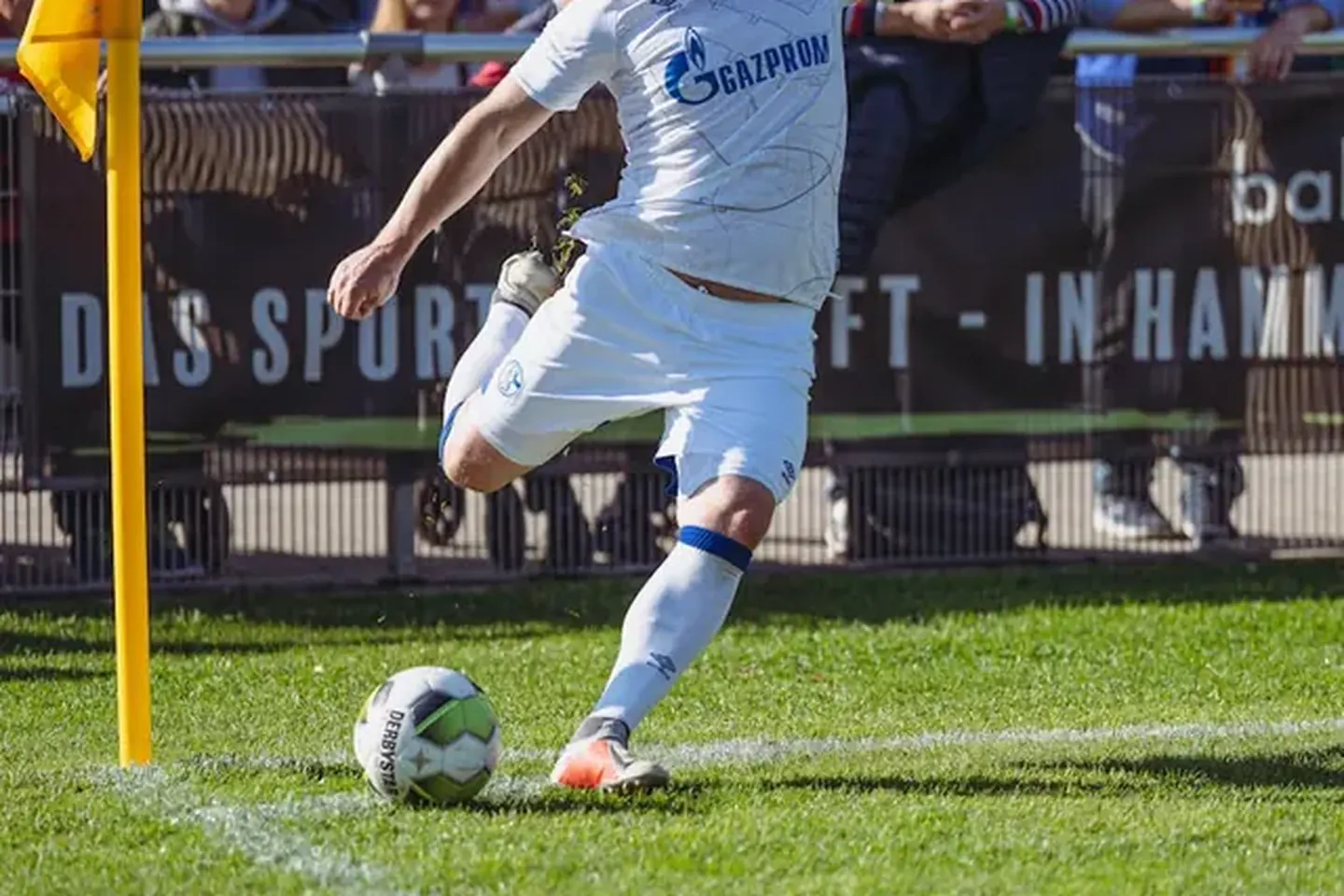
Let's be real—derbies are often decided by set pieces. Corners, free-kicks, throw-ins into the box. Sunderland need to treat every dead-ball situation as a genuine goal-scoring opportunity. In the Tees-Wear Derby, the physical battle is real, and the team that wins the second ball from set pieces usually creates the best chances.
What works: A well-rehearsed routine. Not just lumping it into the mixer, but having options—a near-post flick-on, a short corner to change the angle, a delivery to the back post where a centre-back can attack it. The crowd can play a part here too: the noise when a corner is awarded can lift the team and put pressure on the Boro goalkeeper.
Don't forget the defensive side: Middlesbrough are dangerous from their own set pieces. Sunderland need everyone back, marking tightly, and winning the first header. A sloppy concession from a corner in a derby is the kind of thing that haunts you for weeks.
When the Tactics Don't Work: What to Do
Sometimes, no matter how well you prepare, the game doesn't go to plan. Maybe Boro score early and sit even deeper. Maybe the referee has a night to forget. Maybe the conditions are terrible. In those moments, the tactical plan needs to adapt.
If Sunderland are trailing: Don't panic. The worst thing you can do is abandon all structure and just lump balls forward. Instead, increase the tempo, get the full-backs higher, and bring on fresh legs from the bench. A direct approach can work, but only if there's a target man to hold the ball up and runners to support.
If Sunderland are leading: Game management becomes crucial. Slow the game down, keep possession in the opposition half, and don't give away needless fouls in dangerous areas. The crowd will be nervous, but the players need to stay calm. A second goal kills the game; a late equaliser is devastating.
When it's not working at all: Sometimes you just have to accept that it's not your day. In those cases, the priority is damage limitation. Don't lose the derby by three or four goals. Keep it tight, stay organised, and look for a moment of magic from an individual.
When to Call in the Specialists
Tactical adjustments on the pitch are one thing, but sometimes the problems run deeper. If Sunderland are consistently losing the midfield battle, if the wide play is predictable, or if the pressing triggers are mistimed, that's not something a half-time team talk can always fix. That's where the coaching staff come in.
When to involve the analysts: If the opposition have identified a specific weakness—say, Sunderland's left-back being isolated against a quick winger—the video analysis team should have that flagged before the match. If it's happening again in the game, the manager needs to make a tactical tweak, not just shout from the touchline.
When to involve the sports psychologist: Derbies are mental battles as much as physical ones. If players are making rash decisions, losing composure, or hiding from the ball, that's a sign that the occasion is getting to them. The backroom staff need to address that, not just with tactics but with mental preparation.
When to look at the long term: If the same tactical issues keep appearing in derby matches season after season—struggling against a compact defence, failing to create chances from wide areas—then it's a structural problem. That might mean recruitment decisions, changes in the coaching philosophy, or a shift in how the team sets up for these specific fixtures.
The Bottom Line
Beating Middlesbrough in the Tees-Wear Derby isn't about one magic tactic. It's about doing the basics well: winning the midfield, using the wide areas intelligently, pressing with discipline, and being ruthless from set pieces. It's about staying calm when the crowd is roaring and the tackles are flying. And it's about having a plan B when plan A isn't working.
For more context on the history of this fixture, check out our full list of Sunderland derby wins and the best quotes from Régis Le Bris on the rivalry. And for the bigger picture of all our rivalries, head to the derbies and rivalries hub.
Now, get yourself to the Stadium of Light, make some noise, and let's hope the lads put these tactics into practice. Come on, Sunderland.
Reader Comments (0)