
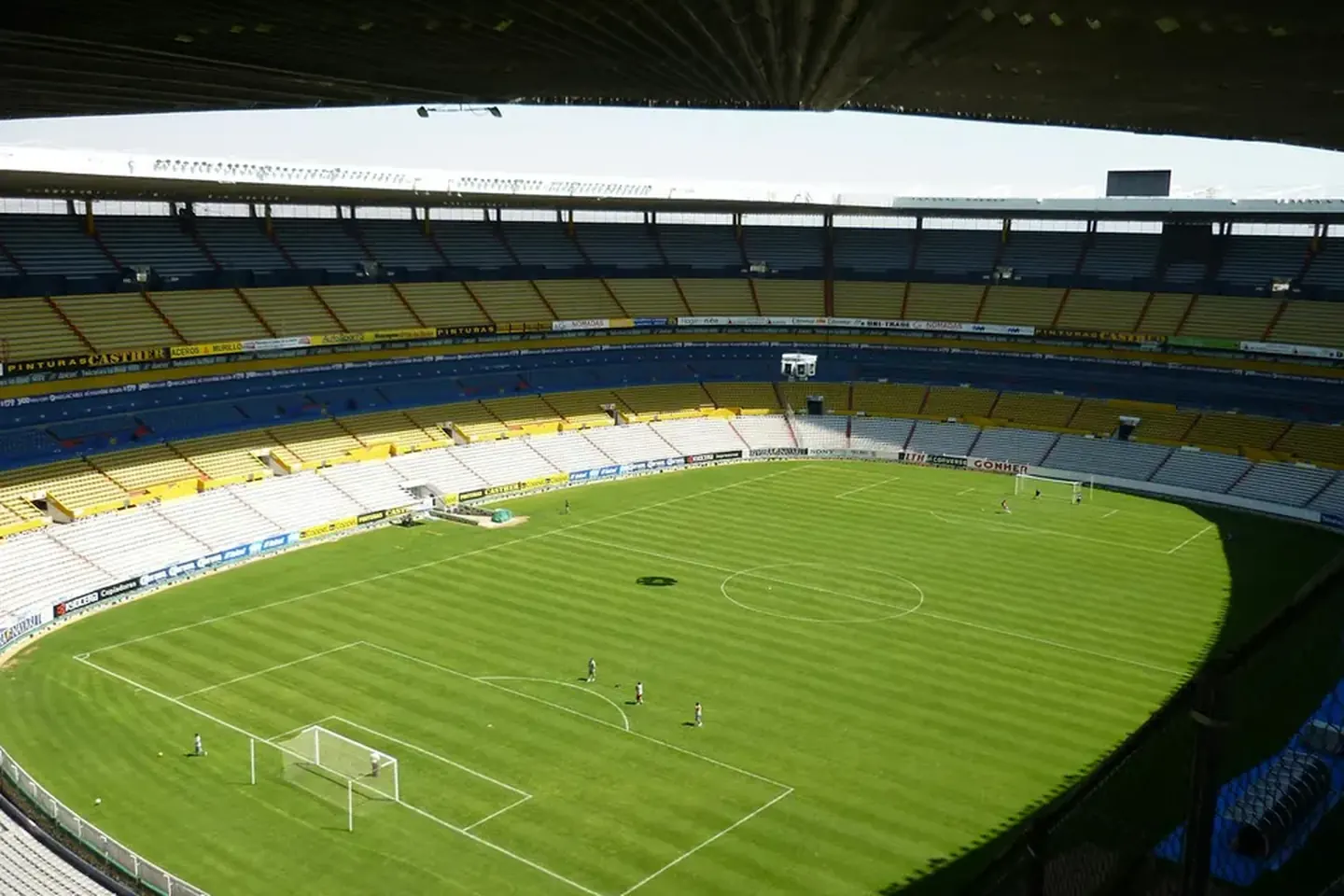
There’s something special about walking into Kardinia Park on game day. You feel it the moment you step through the gates—the hum of the crowd, the sight of the familiar turf, and the weight of decades of history pressed into every corner of the ground. For Geelong Cats fans, this isn’t just a stadium. It’s home. It’s where legends have been made, where premierships have been built, and where the heartbeat of the club has thumped loudest for more than 80 years.
If you’re new to following the Cats, or even if you’ve been around for a while, understanding the story of Kardinia Park is key to understanding the club itself. This isn’t just a ground where games happen—it’s the soul of Geelong. So grab a coffee, settle in, and let’s take a walk through the history of the Cattery.
From Humble Beginnings: The Birth of Kardinia Park
Kardinia Park wasn’t always the modern fortress you see today. Back in the early 1940s, the Geelong Cats were playing at Corio Oval, a ground that had served the club since the late 19th century. But as the AFL competition grew, so did the need for a more suitable home. The club needed a venue that could accommodate larger crowds and offer better facilities.
In 1941, the Cats moved to Kardinia Park, a name derived from the local Wathaurong word for “sunrise.” It was a fitting name—this ground would become the place where a new era dawned for the club. The first match at Kardinia Park was played on April 26, 1941, against Melbourne. The Cats won by 23 points. It wasn’t a grand spectacle by today’s standards, but it was the start of something big.
Back then, the ground was basic. A single grandstand, a grass embankment, and not much else. But it was ours. And that mattered.
The Cattery Takes Shape: Post-War Growth
The 1950s and 60s were a golden era for the Geelong Cats, and Kardinia Park grew alongside the club’s success. In 1951, the Cats won their first AFL Premiership since moving to the ground, beating Essendon in a thrilling Grand Final. That flag was a statement: Geelong was a force to be reckoned with.
As the crowds swelled, the ground needed upgrades. In 1962, the iconic “Brownlow Stand” was built, named after the Brownlow Medal itself. It was a nod to the club’s history of producing champions—players who would go on to win the league’s highest individual honour. The stand became a symbol of the club’s ambition.
But it wasn’t all smooth sailing. The 1970s and 80s were tough decades for the Cats. The team struggled on the field, and the ground fell into disrepair. Attendances dropped. There were whispers that the club might need to move to Melbourne permanently. But the heart of Geelong never wavered. The fans kept coming, and the club kept fighting.
The Modern Era: Kardinia Park Redevelopment
Fast forward to the early 2000s, and the landscape of the AFL had changed dramatically. The competition was more professional, more commercial, and more demanding. Kardinia Park, with its aging facilities, was no longer fit for purpose. If the Cats were going to compete, they needed a home that matched their ambition.
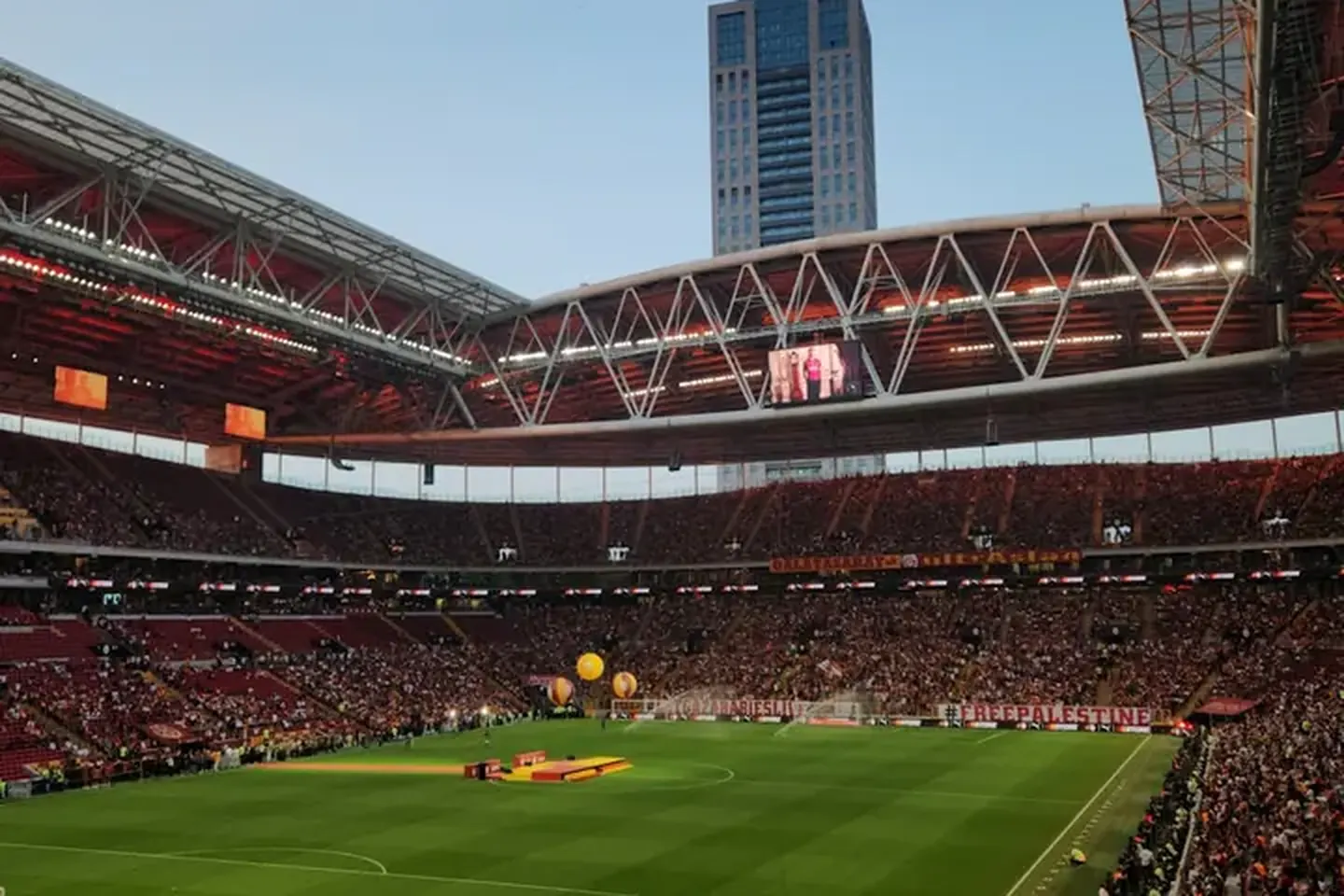
Enter the Kardinia Park Redevelopment—a multi-stage project that would transform the ground from a quaint suburban oval into a world-class stadium. The first major upgrade came in 2005, with the construction of the new Players Stand and the relocation of the iconic scoreboard. Then came the Hickey Stand in 2008, followed by the Reg Hickey Stand in 2010. Each stage brought more seats, better amenities, and a louder atmosphere.
The crowning achievement came in 2017, when the stadium was officially renamed GMHBA Stadium after a naming rights deal. But to the fans, it will always be Kardinia Park. Or, more affectionately, the Cattery.
The redevelopment didn’t just change the look of the ground—it changed the way the Cats played. With a capacity of over 36,000, the Cattery became a fortress. Opponents dreaded coming to Geelong. The crowd was loud, the surface was fast, and the home team was relentless.
The Fortress: Why Kardinia Park Matters
There’s a reason the Cats have one of the best home records in the AFL. It’s not just the facilities—it’s the culture. The Cattery is a place where the club’s identity is forged. From the moment you walk in, you’re surrounded by history. The banners of past premierships. The names of legends like Joel Selwood, Tom Hawkins, and Patrick Dangerfield. The roar of the crowd when the Cats kick a goal.
For players, the Cattery is a sanctuary. It’s where they train, where they prepare, and where they feel most at home. Chris Scott, the Geelong coach, has often spoken about the importance of the ground in building the club’s culture. “It’s our home,” he’s said. “We know every blade of grass. We know how the wind blows. And we know how to use it to our advantage.”
That home-ground advantage has been a key factor in the Cats’ sustained success. Since the redevelopment, Geelong has consistently been one of the best teams in the AFL Finals Series, and much of that success can be traced back to the comfort and confidence they feel at Kardinia Park.
Key Moments in Kardinia Park History
Let’s take a quick look at some of the most memorable moments that have defined the Cattery over the years:
- 1941: The first match at Kardinia Park. Cats beat Melbourne by 23 points.
- 1951: The first AFL Premiership won at the ground. Cats defeat Essendon.
- 1962: The Brownlow Stand opens, named after the game’s highest individual honour.
- 2007: The Cats win their first flag in 44 years. The celebrations at Kardinia Park are legendary.
- 2011: Another premiership. The Cattery becomes a sea of blue and white.
- 2017: GMHBA Stadium officially opens after the final stage of redevelopment.
- 2022: The Cats dominate the season, winning the premiership with a record-breaking performance. The Cattery is packed for every home game.
The Future: What’s Next for the Cattery?
The Kardinia Park Redevelopment isn’t finished yet. There are plans for further upgrades, including additional seating, improved corporate facilities, and enhanced fan experiences. The goal is to make the Cattery a year-round destination, not just for AFL games but for concerts, community events, and other sporting fixtures.

The Geelong VFL team also calls Kardinia Park home, and the ground plays a crucial role in developing the next generation of talent. The AFL Draft often sees the Cats picking players who have grown up dreaming of playing at the Cattery. It’s a pipeline that keeps the club strong.
For fans, the future is bright. The 2025 AFL Season promises to be another exciting chapter in the Cats’ story, and there’s no better place to experience it than at Kardinia Park. Whether you’re a lifelong supporter or a first-time visitor, the Cattery welcomes you.
Practical Tips for Visiting Kardinia Park
If you’re planning to catch a game at the Cattery, here are a few tips to make the most of your experience:
- Get there early: The atmosphere builds as the crowd fills in. Arrive at least 30 minutes before the first bounce.
- Dress for the weather: Geelong can be unpredictable. Bring a jacket, even in summer.
- Explore the precinct: The area around the ground has plenty of cafes, pubs, and shops. Make a day of it.
- Know your seating: The ground has a mix of general admission and reserved seating. Check your ticket before you go.
- Join the chant: When the Cats kick a goal, the whole crowd joins in. Don’t be shy—sing along.
The Heart of Geelong
Kardinia Park is more than just a stadium. It’s a symbol of everything the Geelong Cats stand for: resilience, community, and excellence. From its humble beginnings in 1941 to its status as one of the AFL’s premier venues, the Cattery has been the backdrop for countless triumphs and unforgettable moments.
As the club prepares for the 2025 AFL Season, one thing is certain: Kardinia Park will be rocking. The fans will be there, the players will be ready, and the history will be alive in every corner of the ground.
So whether you’re a die-hard Cats fan or just discovering the magic of Geelong, take a moment to appreciate the ground that made it all possible. The Cattery isn’t just home—it’s a legend in its own right.
Ready to dive deeper into the Cats’ story? Start with our getting started guide, or explore the legacy of the club’s leaders in our captains through the ages article.
See you at the Cattery.
Reader Comments (0)