

For over 160 years, the Geelong Cats have built a legacy defined by resilience, innovation, and an unwavering commitment to excellence. While premiership flags and Brownlow Medals capture headlines, the true engine of sustained success lies behind the scenes—in the state-of-the-art training facilities and development programs that transform raw talent into AFL champions. From the historic corridors of Kardinia Park to the cutting-edge high-performance centers that now define the club’s footprint, understanding how Geelong develops its players offers profound insight into why the Cats remain perennial contenders in the AFL competition.
This comprehensive guide explores the evolution of Geelong’s training infrastructure, the philosophy driving player development, and how these investments have shaped the club’s championship pedigree. Whether you’re a lifelong supporter or new to the Cattery, this pillar article will deepen your appreciation for what happens when ambition meets infrastructure.
The Evolution of Geelong’s Training Infrastructure
From Modest Beginnings to World-Class Standards
The story of Geelong’s training facilities mirrors the club’s own journey from regional underdog to AFL powerhouse. In the early decades, players trained on public ovals and makeshift grounds, relying on sheer determination rather than specialized equipment. The turning point came with the Kardinia Park Redevelopment, a multi-stage transformation that began in the 1990s and continues to this day.
The original Kardinia Park was a humble venue with limited amenities. Players changed in cramped rooms, and training sessions often competed with local cricket matches for space. However, as the AFL professionalized, Geelong recognized that competing with Melbourne-based clubs required significant investment in infrastructure.
The High-Performance Revolution
The early 2000s marked a watershed moment. Under the leadership of then-president Frank Costa, the club embarked on an ambitious redevelopment program that would ultimately position GMHBA Stadium as one of the premier training and playing venues in the Australian Football League.
Key milestones in this evolution include:
- 2006: Completion of the first major grandstand redevelopment, increasing seating capacity and adding player amenities
- 2011: Opening of the state-of-the-art high-performance center, featuring altitude chambers, hydrotherapy pools, and recovery suites
- 2017: The $140 million Stage 5 redevelopment, which added the Brownlow Stand and significantly upgraded training facilities
- 2022: Installation of the latest GPS tracking and biometric monitoring systems, placing Geelong at the forefront of sports science
Inside the Cattery: A Tour of Geelong’s Training Facilities
The High-Performance Center: Where Champions Are Forged
At the heart of Geelong’s development program is the High-Performance Center, a purpose-built facility designed to maximize athletic output while minimizing injury risk. This 4,000-square-meter complex houses:
Strength and Conditioning Zone The gymnasium features 30 lifting platforms, specialized resistance equipment, and a dedicated warm-up area. Players like Patrick Dangerfield and Tom Hawkins have used this space to maintain their elite physical condition well into their 30s, a testament to the facility’s effectiveness.
Altitude Training Chamber Geelong was among the first AFL clubs to install a simulated altitude room. By training in oxygen-reduced environments, players improve their aerobic capacity and recovery rates. This technology has been particularly valuable during the AFL Finals Series, where endurance often separates winners from losers.
Hydrotherapy Suite The facility includes plunge pools (4°C and 12°C), a warm-water rehabilitation pool, and underwater treadmills. These tools accelerate recovery between matches and help manage the cumulative toll of a 23-round season plus finals.
The Indoor Training Oval
One of Geelong’s most significant advantages is its full-size indoor training oval, complete with retractable roof and climate control. This allows the Cats to conduct match-simulated sessions regardless of weather conditions—a critical factor in Victoria’s unpredictable autumn and winter months.
The indoor oval features:
- AFL-regulation playing surface with hybrid grass technology
- Video analysis cameras positioned at multiple angles
- Adjustable lighting systems that simulate match-day conditions
- Portable goals and marking pads for position-specific drills
Recovery and Rehabilitation Areas
Geelong’s medical and sports science teams operate from a dedicated wing within the training complex. Key features include:
- Cryotherapy chamber: Used for rapid muscle recovery after high-intensity sessions
- Compression therapy room: Sequential compression devices for lymphatic drainage
- Physiotherapy suites: Individual treatment rooms with diagnostic ultrasound and shockwave therapy
- Sleep optimization pods: Designed for players to rest between double sessions
Player Development Pathways: From Draft Pick to Premiership Hero
The Geelong Development Philosophy
Geelong’s approach to player development is built on three pillars: continuity, mentorship, and opportunity. Unlike clubs that rely heavily on free agency, the Cats have historically prioritized developing homegrown talent through the AFL Draft and their VFL program.
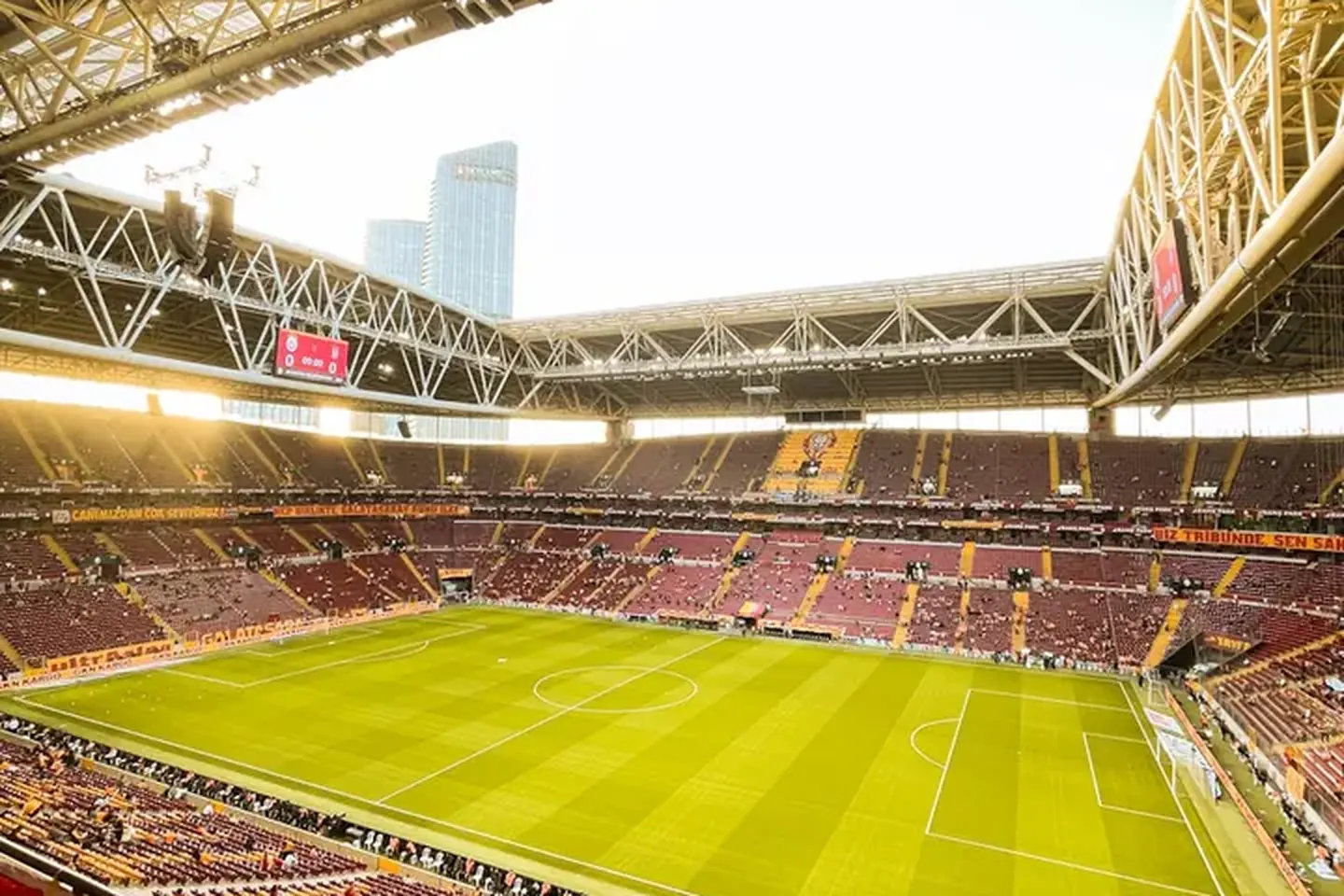
Coach Chris Scott has articulated this philosophy clearly: “We don’t just recruit players; we invest in people. Our development system is designed to maximize each individual’s potential while maintaining the team-first culture that has defined this club for generations.”
The VFL Program: A Crucible for Future Stars
The Geelong VFL team serves as the primary development pathway for draft picks and rookie-listed players. Operating out of the same training facilities as the senior squad, the VFL program provides:
- Structured development plans: Each player receives an individualized program targeting specific skill gaps
- Consistent coaching methodology: VFL coaches work in lockstep with the senior coaching panel, ensuring seamless transitions
- Regular exposure to senior players: Young players train alongside established stars like Joel Selwood (now retired but still mentoring) and learn the standards required at AFL level
Draft and Development: Identifying and Nurturing Talent
Geelong’s recruiting department employs a sophisticated analytics framework to identify prospects who fit the club’s cultural and tactical requirements. Key factors include:
- Competitive character: The club prioritizes players with demonstrated resilience and work ethic
- Positional versatility: Modern AFL demands players who can perform multiple roles
- Coachability: Prospects are evaluated on their ability to receive and implement feedback
- Foundation Phase (Months 1-3): Physical conditioning, basic skill refinement, and club culture immersion
- Integration Phase (Months 4-6): Exposure to senior training sessions, VFL match practice
- Acceleration Phase (Months 7-9): Increased training loads, position-specific coaching
- Consolidation Phase (Months 10-12): Performance review, off-season program design
The Role of Leadership in Player Development
Chris Scott’s Coaching Philosophy
Since taking the reins in 2011, Coach Chris Scott has overseen one of the most successful periods in Geelong’s history. His approach to player development emphasizes:
- Accountability: Players are expected to meet rigorous standards of preparation and performance
- Empowerment: Senior players are given significant autonomy in decision-making
- Continuous improvement: The coaching staff constantly evolves training methodologies based on sports science research
The Influence of Veteran Leaders
The presence of experienced champions has been crucial to Geelong’s development success. Players like Joel Selwood, Patrick Dangerfield, and Tom Hawkins have served as on-field mentors, modeling the professionalism required to sustain elite performance over long careers.
Joel Selwood’s Legacy: The former captain’s influence extends beyond his 355 games and four premierships. His commitment to training standards, recovery protocols, and team culture created a blueprint that younger players continue to follow. Even in retirement, Selwood remains involved in mentoring programs at the club.
Patrick Dangerfield’s Impact: As a Brownlow Medalist and multiple All-Australian, Dangerfield brings a unique perspective to player development. His emphasis on sports science and data-driven training has influenced how the club approaches preparation and recovery.
Tom Hawkins’ Consistency: The veteran forward’s longevity—still performing at elite level in his mid-30s—demonstrates the effectiveness of Geelong’s development programs. Hawkins has credited the club’s training facilities and medical team for enabling him to maintain peak condition.
Technology and Innovation in Training
Sports Science Integration
Geelong has invested heavily in sports science, employing a dedicated team of physiologists, biomechanists, and data analysts. Key technologies include:
- GPS tracking vests: Monitor player movement, speed, and load during every training session
- Heart rate variability monitors: Assess recovery status and optimize training intensity
- Video analysis software: Break down individual and team performance with frame-by-frame precision
- Cognitive training tools: Improve decision-making speed and spatial awareness
Recovery and Regeneration Protocols
The 2025 AFL Season will see Geelong implement several new recovery technologies, including:
- Compression boots with gradient pressure: Enhance blood flow and reduce muscle soreness
- Photobiomodulation therapy: LED light treatments to accelerate tissue repair
- Sleep tracking pods: Monitor sleep quality and provide personalized recommendations
The Impact of Training Facilities on Recruitment and Retention
Attracting and Keeping Talent
Geelong’s world-class training facilities have become a significant factor in player recruitment and retention. When top draft picks consider their options, the quality of development infrastructure often influences their decisions.
The club’s ability to retain stars like Patrick Dangerfield and Tom Hawkins—players who could have commanded higher salaries elsewhere—demonstrates the value players place on training environment and development support.
The Home-Ground Advantage
The connection between training facilities and on-field performance is particularly evident at GMHBA Stadium. Because the Cats train on the same surface where they play, players develop intimate knowledge of:
- Wind patterns and how they affect kicking
- Ground hardness and its impact on ball bounce
- Lighting conditions for night matches
- Surface grip for contested marking
Practical Tips for Aspiring AFL Players
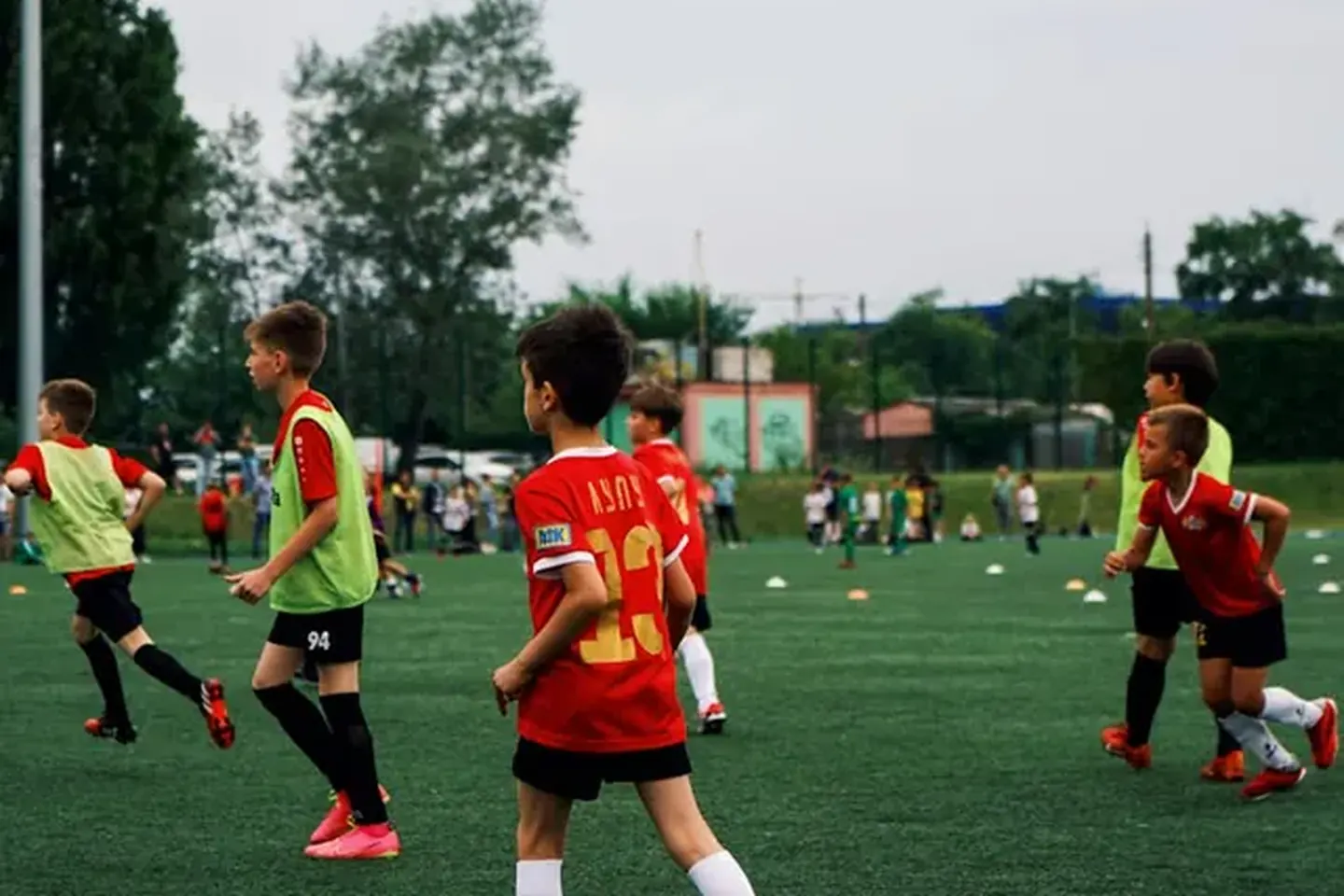
For young athletes dreaming of joining the Geelong Cats, understanding the development pathway is essential. Here are actionable insights based on the club’s training philosophy:
1. Prioritize Athletic Development Early
Geelong’s recruiters look for players with strong athletic foundations. Focus on:
- Speed and agility: These attributes are increasingly valued in modern AFL
- Endurance: The capacity to maintain high intensity for four quarters
- Strength: Functional strength that supports contested play
2. Develop Positional Versatility
The modern AFL demands players who can perform multiple roles. Aspiring Cats should:
- Practice skills across different positions
- Study game footage to understand tactical requirements
- Seek feedback from coaches on areas for development
3. Embrace Data and Technology
Geelong’s sports science team uses data to optimize performance. Young players should:
- Track their training loads and recovery metrics
- Understand their physiological responses to different training stimuli
- Use video analysis to identify technical improvements
4. Cultivate a Team-First Mindset
The Cats’ culture emphasizes selflessness and collective success. Demonstrate:
- Willingness to sacrifice individual glory for team outcomes
- Commitment to supporting teammates on and off the field
- Professionalism in all aspects of training and preparation
The Future of Geelong’s Training Facilities
Planned Developments for 2025 and Beyond
The Kardinia Park Redevelopment continues, with several exciting projects on the horizon:
- Expanded recovery facilities: Additional hydrotherapy pools and compression chambers
- Enhanced spectator access: Improved viewing areas for members to watch training sessions
- Sustainability initiatives: Solar panels and water recycling systems to reduce environmental impact
- Digital integration: Virtual reality training modules for cognitive development
Maintaining Competitive Advantage
As other clubs upgrade their facilities, Geelong must continue innovating to maintain its edge. The club’s strategy focuses on:
- Customization: Tailoring training programs to individual player needs
- Integration: Connecting all aspects of development—physical, tactical, psychological
- Sustainability: Building systems that can adapt to evolving AFL requirements
Conclusion: The Foundation of Geelong’s Success
The Geelong Cats’ training facilities and development programs represent more than bricks and mortar—they embody the club’s philosophy of sustained excellence. From the High-Performance Center to the VFL development pathway, every element is designed to maximize player potential while maintaining the culture that has produced four premierships since 2007.
For fans, understanding this infrastructure deepens appreciation for what happens on match day. The precision ball movement, the contested marking dominance, the four-quarter endurance—all are products of a development system that leaves no stone unturned.
As the Cats prepare for the 2025 AFL Season, the foundation has never been stronger. The training facilities at Kardinia Park continue to evolve, the development pathways remain robust, and the commitment to excellence endures.
Want to dive deeper into Geelong’s remarkable journey? Explore our comprehensive guide to club milestones, discover the fascinating story behind the club mascot history, or trace the impact of key traded players history on the Cats’ championship success.
The legacy continues—one training session, one development milestone, one premiership at a time.
Reader Comments (0)