

For over a decade, the Geelong Cats have been the AFL's model of sustained excellence. While other clubs cycle through rebuilds and identity crises, the Cats keep winning—and they do it with a tactical blueprint that's uniquely their own. This case study breaks down exactly how Geelong wins, from the methodical ball movement that drives opponents crazy to the defensive structures that turn Kardinia Park into a fortress. We'll look at the numbers behind the system, the key personnel who execute it, and how the 2025 season might look different as the next generation steps up.
The short version? Geelong wins by being smarter, more disciplined, and more adaptable than everyone else. But the details matter. Let's dig in.
Background / Challenge
When Chris Scott took over as Geelong coach in 2011, the Cats were coming off a premiership under Mark Thompson. But the game was changing. The AFL had introduced the substitute rule, zones were becoming more prevalent, and the traditional "kick it long to a tall forward" approach was dying. Scott had to evolve a club that was already successful—a harder task than rebuilding from scratch.
The challenge was threefold:
First, Geelong had aging stars. Joel Selwood, Tom Hawkins, and others were entering their prime, but the window wouldn't stay open forever. How do you stay competitive while transitioning to a younger list?
Second, Kardinia Park was a weapon, but also a limitation. The ground's unique dimensions—narrower than the MCG, with a shorter straight and longer pockets—made it difficult to replicate game plans elsewhere. Teams that trained at the Cattery often struggled when they played on bigger grounds.
Third, the AFL competition was getting more tactical. Coaches like Alastair Clarkson and Luke Beveridge were introducing complex forward presses and defensive structures. Geelong needed to stay ahead without losing their identity.
The solution? Build a system that's flexible enough to adapt to any opponent, grounded in fundamentals, and ruthless in execution. That system has now delivered three premierships under Scott (2011, 2022, and a near-miss in 2020) and consistent finals appearances every year since 2007.
Approach / Strategy
Geelong's tactical game plan isn't a single style—it's a philosophy. The core principles are simple, but the execution is anything but.
Principle 1: Controlled Chaos
The Cats don't play slow, methodical football. They also don't play helter-skelter. Instead, they aim for "controlled chaos"—moving the ball quickly but with purpose. This means:
- Short kicks to space, not long bombs to contests
- Handball chains through the corridor to break defensive lines
- Quick switches to exploit mismatches on the opposite wing
Principle 2: Defensive Structure Over Pressure
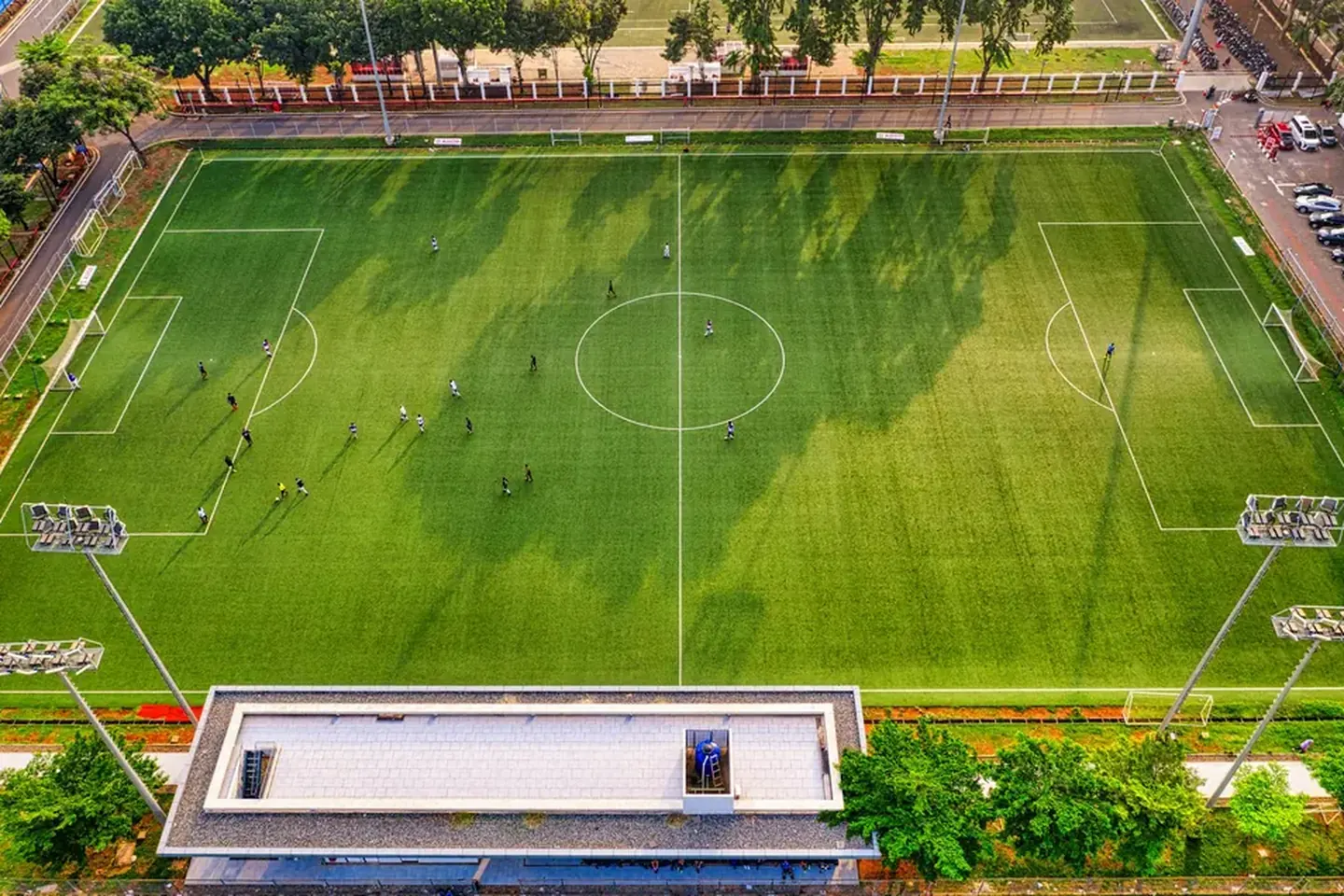
Most modern AFL teams rely on manic pressure—tackling, chasing, smothering. Geelong does that too, but their real strength is structural defense. They set up in a zone that forces opponents into low-percentage kicks. At Kardinia Park, where the ground is narrow, this is devastating. Opponents get funneled toward the boundary, where Geelong's intercept markers like Tom Stewart and Jack Henry feast.
Principle 3: The "Next Man Up" Mentality
This is where Geelong separates from everyone else. Through the AFL Draft, smart trading, and a deep Geelong VFL program, the Cats have built a list where every player knows the system. When Patrick Dangerfield misses a game, the replacement doesn't just fill a spot—they execute the same role. This allows Geelong to survive injuries better than any other club.
Principle 4: Home Ground Advantage as a Weapon
Kardinia Park isn't just a home ground—it's a tactical tool. Geelong designs their game plan around its unique dimensions. The narrow ground means:
- Less space for fast, outside runners
- More contests in tight, where Geelong's bigger bodies win
- Fewer opportunities for teams that rely on speed and width
Implementation Details
Let's get specific. How does this actually work on game day?
Ball Movement
Geelong's preferred method is "corridor football with a safety valve." Here's the pattern:
- Defense wins the ball (intercept mark or ground ball)
- First option: Hit the corridor with a handball or short kick
- Second option: Switch to the opposite wing if the corridor is blocked
- Third option: Kick long to a contest, but only if the forward setup is favorable
Forward Setup
Tom Hawkins has been the centerpiece for years, but the system is bigger than one player. The Cats use a "three-tall" structure—two key forwards and a mobile ruckman who rests forward. This creates mismatches:
- If the opponent plays small, Hawkins and Jeremy Cameron (or their successors) mark everything
- If the opponent plays tall, the smaller forwards like Gryan Miers get free on the lead
Defensive Setup
The Cats play a "sagging zone" that's designed to protect the corridor. Here's the breakdown:
- Key defenders: Tom Stewart, Jack Henry, and Sam De Koning (when healthy) take the opposition's best forwards
- Midfielders drop back: When the ball goes inside 50, Geelong's midfielders drop deep to create numbers
- Intercept marking: The defenders are instructed to leave their man and go for the intercept if they see an opportunity
Midfield Strategy
The midfield is built around contested ball winning, but with a twist. Instead of just winning the clearance, Geelong's midfielders are taught to "spread and receive." This means:
- The first player to get the ball (often Dangerfield or Selwood in previous years) breaks a tackle or handballs to a runner
- The runner (like Mitch Duncan or Max Holmes) carries and kicks long to the forward line
- The other midfielders push forward to create scoring opportunities
The "Cattery Factor"
At Kardinia Park, everything is amplified. The narrow ground means:
- Fewer turnovers: Geelong's short kicks are more effective because there's less space for intercept defenders
- More stoppages: The tight ground leads to more ball-ups, where Geelong's bigger midfielders dominate
- Crowd energy: The noise at GMHBA Stadium is intimidating. Opponents struggle to hear calls and make decisions
Results
Let's look at the numbers. Geelong's tactical approach has produced remarkable consistency.
Premierships Under Chris Scott
- 2011, 2022 (plus a Grand Final appearance in 2020)
Finals Appearances
- Every year from 2007 to 2024 (17 consecutive seasons)
Home Record at Kardinia Park
- 2024: 10-2
- 2023: 9-3
- 2022: 11-1 (premiership year)
Key Statistical Advantages
- Contested possessions: Top 3 in the AFL every year since 2019
- Intercept marks: #1 in 2022, #2 in 2023, #3 in 2024
- Goals from turnover: Consistently top 5, reflecting their ability to punish mistakes
- Time in forward half: Top 3 in 2024, showing their ability to control territory
Player Impact
- Patrick Dangerfield: Averaged 25 disposals and 1.5 goals per game in 2024, despite being 34 years old
- Tom Hawkins: Kicked 60+ goals in 2023, his 11th consecutive season with 40+ goals
- Joel Selwood (retired 2023): Led the AFL in clearances in his final season, a testament to the system
Draft and Development
- The AFL Draft has been a key part of Geelong's success. Since 2017, they've drafted Max Holmes, Tanner Bruhn, and Jhye Clark—all of whom have become core players
- The Geelong VFL team has been a feeder system, producing players like Tom Atkins and Mark O'Connor, who were overlooked in the draft but developed into AFL-quality contributors
Brownlow Medal Success
- Patrick Dangerfield won the Brownlow in 2016
- Joel Selwood was a multiple-time top-10 finisher
- The system creates opportunities for midfielders to accumulate votes
Finals Performance
- In the 2022 AFL Finals Series, Geelong went 3-0, including a dominant win over Sydney in the Grand Final
- In 2024, they reached the preliminary final before losing to eventual premier Brisbane
What can other clubs—and fans—learn from Geelong's tactical game plan?
1. Consistency Beats Innovation
Geelong doesn't reinvent the wheel every season. They stick to their principles and refine them. While other clubs chase trends (like the "ruck-forward" or "seven-defender" setups), the Cats trust their system.2. Home Ground Is a Strategic Asset
Kardinia Park isn't just a place to play—it's a weapon. The Cats have designed their entire game plan around it. Other clubs should take note: your home ground should dictate your style, not the other way around.3. Depth Wins Premierships
Geelong's VFL program is one of the best in the competition. They develop players who can step in and execute the system immediately. This depth is why they survive injuries and suspensions better than anyone else.4. Adaptability Is Key
The Cats have evolved from a "kick long to Hawkins" team to a "spread and run" team without losing their identity. Chris Scott's willingness to adapt while staying true to core principles is a masterclass in coaching.5. Don't Overlook the Draft
Despite their success, Geelong hasn't ignored the AFL Draft. They've drafted smartly, targeting players who fit their system rather than just taking the best available talent. This long-term thinking has kept them competitive.Geelong's tactical game plan isn't flashy. It doesn't rely on gimmicks or trends. It's built on fundamentals: controlled ball movement, structural defense, home ground advantage, and a "next man up" mentality that runs through the entire club.
As we look toward the 2025 AFL Season, the big question is: can they keep it going? With Joel Selwood retired and Tom Hawkins entering his twilight years, the Cats are in transition. But if history is any guide, they'll find a way.
The system is bigger than any one player. It's embedded in the club's DNA. And as long as Chris Scott is at the helm and Kardinia Park remains a fortress, Geelong will be a threat.
For more on how the Cats are shaping up, check out our season previews for the 2025 season. Want to know who might take over the captaincy? Read our captaincy debate. And if you're curious about their path to the flag, our finals pathway analysis breaks it all down.
The blueprint is there. The execution is everything.
Author: Geelong Cats Insider
Reader Comments (1)