
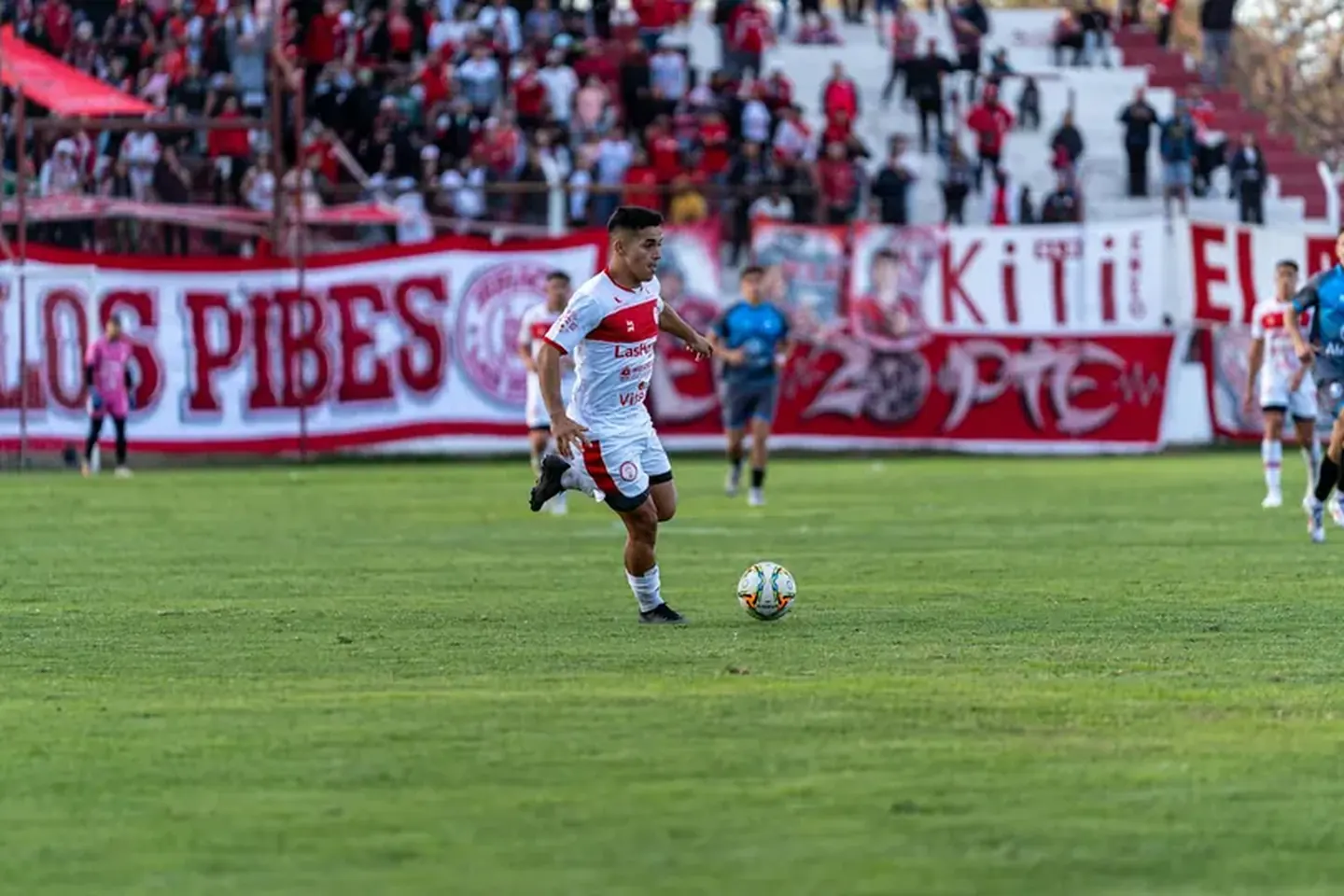
Look, if you’ve been following the Cats for any length of time, you know that one of the most fascinating—and sometimes frustrating—aspects of following this club is watching how players get moved around. One week, a guy’s patrolling the wing. The next, he’s thrown into the forward pocket. And sometimes, a veteran you thought was winding down suddenly becomes the lynchpin of a new midfield setup.
Player role changes are part of the DNA at Geelong. Chris Scott has built a reputation for being willing to experiment, for shifting pieces around the board to find the right combination. But let’s be honest: these moves don’t always click right away. Sometimes they cause confusion, drop-offs in performance, or even fan frustration. This guide is here to help you troubleshoot the most common problems that arise when the Cats shake up their lineup.
Whether you’re a seasoned observer trying to make sense of a puzzling positional switch, or a newer fan wondering why a star suddenly looks lost on the field, we’ve got you covered. Let’s dig into the tactical shifts that keep Geelong unpredictable—and how to spot when something’s gone wrong.
Problem 1: A Star Player Drops Off After a Role Change
Symptoms: You notice a key player—someone like Patrick Dangerfield or Tom Hawkins—suddenly looks a step slower, makes uncharacteristic errors, or seems disconnected from the flow of the game. Their disposal efficiency dips, they’re not hitting their usual marks, and the stats sheet tells a sad story.
Causes: This is almost always about adaptation. When a player has spent years mastering a specific position, being asked to do something different can disrupt their rhythm. For example, moving Dangerfield from a midfield role to a half-forward flank might seem logical—it preserves his body, gets him more scoring opportunities—but it changes his entire decision-making process. He’s no longer reading the ball from center bounces; he’s reading it from stoppages in the forward 50. That shift in spatial awareness takes time.
Another cause? Age and mileage. A veteran like Hawkins, who’s spent a decade dominating as a key forward, might struggle if asked to ruck more or push up the ground. His body knows one set of movements, and asking for another can lead to fatigue-related errors.
Solution: The first step is patience. Role changes at Geelong often come with a 3-5 game adjustment period. If you’re a fan, resist the urge to panic after one bad quarter. For the coaching staff, the fix is about simplifying the new role initially. Give the player a smaller set of responsibilities—less ground to cover, fewer instructions—and let them build confidence. For example, if Dangerfield is playing forward, tell him to focus on just two or three leading patterns instead of trying to be everywhere. Once he nails those, expand the role.
Also, review game footage with the player. Point out where they’re hesitating. Often, the issue is mental—they’re overthinking. A straightforward conversation about “when you get the ball here, do this” can work wonders.
Problem 2: The Midfield Loses Its Balance
Symptoms: The Cats’ midfield, once a strength, suddenly looks disjointed. Clearances drop, the ball gets stuck in defensive 50, and the opposition seems to waltz through the middle. You see players bumping into each other, confusion at stoppages, and a lack of clear structure.
Causes: This usually happens when a key midfielder is moved to a different role, and the replacement isn’t a like-for-like fit. For instance, if Joel Selwood (even in his later years) was the heart of the midfield, and you shift a younger player into that spot, the chemistry changes. The new guy might not have the same reading of his teammates’ movements. Alternatively, if a player like Dangerfield is shifted out of the midfield and into a forward role, the remaining mids might struggle to cover the lost pressure and ball-winning ability.
Another cause? Over-rotation. Sometimes Chris Scott tries to give too many players minutes in the middle, and the midfield ends up with no consistent core. You get a “mix and match” approach that never allows a unit to gel.
Solution: First, identify the “anchor” of the midfield—the player who sets the tempo. Usually, that’s a veteran with high footy IQ. In 2025, that might be someone like a Cam Guthrie or a younger leader who’s stepped up. That anchor should stay put for at least four to six weeks. Don’t move them.
Second, limit the rotation. Pick three or four primary midfielders and stick with them for the majority of center bounces. Use the fifth or sixth option only as a relief, not as a regular. If you’re trying to develop a young player, give them minutes in the VFL first before throwing them into the deep end at AFL level.
Finally, run drills that focus on “two-man” and “three-man” stoppage work. The most common breakdown in a new-look midfield is miscommunication at the contest. Practice the same setups repeatedly until they become instinct.
Problem 3: The Forward Line Loses Its Structure
Symptoms: The Cats are kicking to contests where no one is leading, or worse, two players are leading to the same spot. The ball comes in high and long, but the forwards are either out of position or getting outmarked. Scoring dries up, and the team relies on individual brilliance rather than system.
Causes: This often happens when a forward is asked to play a different role—say, a deep forward like Hawkins is told to push up the ground more, or a medium forward is asked to play as a tall. The entire forward line’s geometry shifts. If Hawkins is 30 meters from goal instead of 15, the space behind him changes. The small forwards don’t know where to crumb. The lead patterns get disrupted.
Another cause is when a midfielder is thrown forward and doesn’t understand the forward’s craft. They might run to the wrong spots, fail to block for teammates, or not read the ball off the boot.
Solution: Start with a “role card” for each forward. Write down three things they must do in every forward 50 entry. For example: “If the ball is on the wing, lead to the pocket. If the ball is deep, stay inside 40 meters.” This reduces confusion.
Next, run a drill called “zones.” Divide the forward 50 into three zones: deep, mid, and high. Assign each forward a primary zone. Hawkins stays deep. A medium forward owns the mid zone. A small forward roams the high zone. This prevents clustering.
If you’re moving a midfielder forward (like Dangerfield), give them a “buddy” system. Pair them with an experienced forward who can guide them during the game. “When this happens, go here.” It’s like having a coach on the field.
Finally, review footage of successful forward entries. Show the players what a “good” structure looks like. Sometimes seeing is believing.
Problem 4: A Young Player Struggles After Being Promoted
Symptoms: A promising draftee or VFL standout gets called up to the senior side, plays a new role, and looks lost. They make basic errors, get caught holding the ball, or seem overwhelmed by the pace. Their confidence takes a hit.
Causes: The jump from VFL to AFL is massive, but the problem is often compounded when the player is asked to do something they haven’t practiced. For example, a player who dominated in the VFL as an inside midfielder might be asked to play on a wing in the AFL. The speed of the game, the defensive pressure, and the different running patterns are all new. They’re not just learning a new level; they’re learning a new position.
Another cause is “role overload.” The coaching staff might give the young player too many instructions. “You need to cover this opponent, then push forward, then drop back, then block here.” It’s information overload.
Solution: Simplify, simplify, simplify. Give the young player ONE job. For their first three games, say: “Your job is to stay on your opponent and win the ball when it comes your way.” That’s it. No complex rotations. No dual roles. Let them get comfortable with the speed before adding layers.
Also, use the VFL as a testing ground. Before promoting a player to a new AFL role, have them play that role in the VFL for at least two weeks. If they can’t execute there, they won’t execute at the higher level.
Finally, manage expectations publicly. The fan base (and sometimes the media) can be harsh on young players. The club should protect them by not hyping them too much. Let them develop quietly.
Problem 5: Defensive System Breaks Down After a Role Change
Symptoms: The Cats are leaking goals. Opponents are finding space in the back 50, and the defensive structure looks like Swiss cheese. Players are out of position, and the team is giving up easy scores.
Causes: Defensive role changes are the most disruptive because defense is about trust and communication. If you move a key defender to a new position—say, moving a tall defender to play on a smaller opponent, or shifting a rebounding defender into a lockdown role—the entire defensive unit has to recalibrate. The zoning patterns change. The “who takes who” at stoppages becomes a guessing game.
Another cause is when a midfielder is asked to drop back into defense as a “sweeper.” If they don’t have the defensive instincts, they can leave gaping holes.
Solution: First, maintain continuity in the back six. If you’re making one change, keep the other five in their usual spots. Don’t rotate multiple defenders at once.
Second, use a “defensive matrix” in training. Set up scenarios where the defense has to react to different types of entries. Practice the “switch” when a defender is caught out of position.
Third, if you’re moving a midfielder back, give them a specific role: “You are the last line of defense. Your job is to read the ball and intercept.” Don’t ask them to man up on an opponent. Let them play to their strengths.
Finally, communication is key. Have a designated “quarterback” in defense—someone like a veteran who calls out switches and assignments. If the new player is confused, the quarterback can guide them.
Problem 6: The Team Loses Its “Identity” Mid-Season
Symptoms: The Cats look unrecognizable from the team that played earlier in the season. They’re playing a different style—slower, more defensive, or more reckless. The players seem unsure of what they’re supposed to do, and the results are inconsistent.
Causes: This often happens when Chris Scott makes a deliberate tactical shift mid-season, perhaps in response to a losing streak or an injury crisis. For example, if the Cats were a high-possession, high-pressure team, and they suddenly switch to a more conservative, contested-ball style, it can take weeks for the players to adapt. Role changes compound this. Players who were used to running and carrying are now being asked to kick long and defend.
Another cause is when a key player returns from injury and is slotted into a different role. The team has to adjust to their new positioning, and the flow is disrupted.
Solution: Acknowledge the shift publicly (internally). The coaching staff should explain to the players WHY the change is happening. “We’re doing this because we need to protect the defensive 50” or “We’re doing this to exploit a weakness in the opposition.” When players understand the “why,” they buy in faster.
Then, give the new system a “trial period” of at least four games. Don’t abandon it after one loss. Role changes need time to bed in.
Finally, keep the core principles intact. Even if you’re changing the game plan, maintain the non-negotiables: pressure, work rate, and defensive accountability. If those stay, the role changes will eventually fit.
Problem 7: A Veteran’s Farewell Tour Goes Wrong
Symptoms: A beloved veteran, say a player in their final season, is given a new role that’s meant to be a “reward” or a “send-off.” But they struggle, and their performance hurts the team. Fans are torn between wanting to see them succeed and wanting the team to win.
Causes: Sentimentality. The coaching staff might want to give a veteran a chance to play in a different position as a nod to their career. But the veteran’s body might not be up to it. For example, moving a key forward to the midfield for a few games might be a nice gesture, but if they can’t run out the quarters, it’s a liability.
Another cause is when the veteran is asked to play a role that doesn’t suit their skills. A player known for contested marking might be asked to play as a running defender. It’s a square peg in a round hole.
Solution: Be honest with the veteran. Have a conversation early in the season: “We want to honor your career, but we also need to win. Here’s the role we think you can excel in for one more year.” If the veteran is open to it, great. If not, find other ways to celebrate them—captain’s runs, milestone games, off-field roles.
If you do change their role, keep it simple. Don’t ask them to learn a completely new position. Instead, tweak their existing role slightly. For example, let them play deeper forward but give them more freedom to roam. Small changes, not big ones.
Finally, have a “exit plan.” If the veteran struggles after three games, have a conversation about moving back to their original role or spending time in the VFL. It’s tough, but it’s better for the team.
Problem 8: The Ruck Division Gets Disrupted
Symptoms: The Cats are losing hitouts, and the midfield is getting beaten to the ball. The ruckman looks out of sync with the midfielders, and the team is struggling to win clearances.
Causes: Ruck is a specialized position, and role changes here are particularly tricky. If you move a ruckman to a forward role (like Rhys Stanley or a similar player), or if you ask a forward to ruck part-time, the timing and chemistry with the midfielders breaks down. The midfielders don’t know where the tap will go, and the ruckman doesn’t know where the midfielders will be.
Another cause is when a young ruckman is brought in and asked to play a different style. For example, if the previous ruckman was a “tap-to-advantage” type, and the new one is a “tap-to-space” type, the midfielders need time to adjust.
Solution: Consistency is king. If possible, keep the same ruckman for a block of games. Don’t rotate them in and out.
If you’re using a forward as a relief ruck (like Hawkins), keep their ruck time to a minimum—no more than 20-30% of game time. And have a set play for when they ruck. For example, “When Hawkins rucks, the midfielders all stay back and let him tap to space.”
Finally, practice ruck-midfield connections in training. Run drills where the ruckman taps to specific spots, and the midfielders run to those spots. Repetition builds chemistry.
Prevention Tips: How to Avoid Role Change Problems
- Plan ahead. Don’t make role changes in response to a single bad game. Have a long-term plan for each player’s development.
- Use the VFL. Test role changes in the reserves before implementing them at AFL level. If a player can’t execute there, they won’t execute in the seniors.
- Communicate clearly. Every player should know exactly what’s expected of them in their new role. Write it down if necessary.
- Limit changes. Don’t change more than two or three roles at once. The more moving parts, the higher the risk of failure.
- Monitor fatigue. Role changes often require different running patterns. A player might be physically fine but mentally exhausted from learning new things. Give them rest if needed.
- Involve the leadership group. Players like the former captain or senior leaders can help smooth the transition. They can mentor younger players through role changes.
When to Seek Professional Help
Sometimes, despite your best efforts, a role change just isn’t working. Here’s when it’s time to call in reinforcements:
- If a player’s confidence is shattered. They’re second-guessing themselves, making basic errors, and seem mentally checked out. That’s when you bring in a sports psychologist or a player welfare officer.
- If the team’s performance drops significantly. If the Cats are losing games they should win, and the role change is a clear factor, it’s time to reconsider. Don’t be stubborn.
- If the player is physically struggling. If a veteran’s body can’t handle the new role, or a young player is getting injured, stop. It’s not worth the risk.
- If the locker room is divided. Sometimes role changes create friction. If players are questioning the decisions, it’s time for a team meeting. Bring in a neutral facilitator if needed.
- If the coaching staff disagrees. If Chris Scott and his assistants are split on a role change, that’s a red flag. Alignment is crucial. Have an honest, closed-door conversation.
Player role changes are part of what makes following the Cats so interesting. They keep the opposition guessing, they extend careers, and they develop depth. But they also come with risks. The key is to approach them with a clear plan, open communication, and a willingness to adapt.
Remember: even the best tactical shifts look messy at first. The 2022 premiership team wasn’t built overnight. It was built through trial and error, through players learning new roles, and through a coaching staff that wasn’t afraid to make bold moves.
So the next time you see a Cat playing in a strange position, don’t panic. Watch closely. Ask questions. And give it time. Because when these role changes work—and they often do at Geelong—the results can be spectacular.
Want to dive deeper? Check out our Season Previews for a look at how role changes fit into the bigger picture, or read our piece on Veteran Leadership Impact to see how seasoned players navigate these shifts. And don’t miss our Social Media Roundup for fan reactions to the latest tactical experiments.
Reader Comments (0)