

Draft night is always a bit like Christmas morning for Geelong fans—except instead of unwrapping socks and board games, we're tearing into the future of our beloved Cats. The 2024 AFL Draft has come and gone, and if you blinked, you might have missed some of the action. But trust me, what transpired on that Thursday night in November will shape the 2025 AFL Season and beyond in ways that are only just beginning to surface.
For a club that has become synonymous with contending year after year, the draft isn't just about adding fresh faces—it's about strategic roster management, balancing immediate needs with long-term development, and ensuring that the engine room at Kardinia Park keeps humming well into the next decade. This case study breaks down exactly how the Cats approached the draft, what they achieved, and what it all means for the 2025 season.
Background / Challenge
Let's set the scene. The Geelong Cats entered the 2024 AFL Draft with a hand that was, shall we say, interesting. After a 2024 campaign that saw them bow out of the AFL Finals Series earlier than anyone at the Cattery would have liked, the list management team faced a familiar challenge: how do you reload without bottoming out?
The Cats have never been a club that embraces the "tank for picks" philosophy. While other teams were stockpiling top-ten selections and dreaming of generational talents, Geelong was looking at a different puzzle. They held picks that were scattered across the draft board—not quite in the elite range, but not in the bargain bin either. The challenge was clear: find value where others might see mediocrity, and do it without sacrificing the culture that has made this club a perennial contender.
Adding to the complexity was the reality of the list itself. Patrick Dangerfield, Joel Selwood (now retired, but his shadow looms large), and Tom Hawkins are all entering the twilight of their careers. The Cats needed to find players who could learn from these legends while also being ready to step up when the time comes. The draft isn't just about talent acquisition; it's about succession planning. And with the Kardinia Park Redevelopment creating a state-of-the-art facility that will attract and develop talent for years to come, the pressure was on to make the most of this draft.
There was also the matter of the Geelong VFL program. The reserves side has become a critical development pathway, and the Cats needed players who would buy into the system, grind it out in the VFL when required, and emerge as polished AFL-ready contributors. This isn't a club that drafts purely on potential—they draft on character, work ethic, and fit.
Approach / Strategy
So, how did the Cats approach draft night? In a word: patiently. And I mean that in the best possible way.
The strategy was multi-layered. First, the list management team, led by Andrew Mackie and Stephen Wells (yes, the legendary recruiter who seems to have a sixth sense for finding diamonds in the rough), identified that this draft was deep but not top-heavy. The consensus among AFL clubs was that after the first handful of picks, the talent pool was remarkably even. That played directly into Geelong's hands.
Instead of trying to trade up into the top ten—which would have cost a fortune in future picks or players—the Cats opted to stay put and trust their board. They had identified a cluster of players in the 15-30 range that they believed could be AFL contributors. The strategy was to let the draft come to them, not the other way around.
But here's where it gets clever. Geelong also used their picks as currency to address immediate list gaps. They weren't afraid to trade back if it meant securing an extra selection or moving up a few spots to grab a specific player they had their eye on. The approach was fluid, adaptable, and—dare I say—Geelong-like. No panic, no reaching, just calculated moves.
The club also placed a heavy emphasis on drafting players who could contribute across multiple positions. In the modern Australian Football League, versatility is king. The Cats wanted players who could play through the midfield, drift forward, or even swing back if needed. They were looking for footballers, not specialists.
Another key aspect of the strategy was the "Geelong factor." This club has a unique culture—one that values humility, hard work, and team-first mentality. The recruiting team spent months doing background checks, speaking to coaches, teachers, and former teammates. They wanted to know: Does this kid have the character to thrive at Kardinia Park? Because talent alone won't cut it at Geelong. You need to buy into the system.
Implementation Details
Let's get into the nitty-gritty. The 2024 AFL Draft unfolded across two nights, and the Cats were active on both.
Pick 17: The First Selection
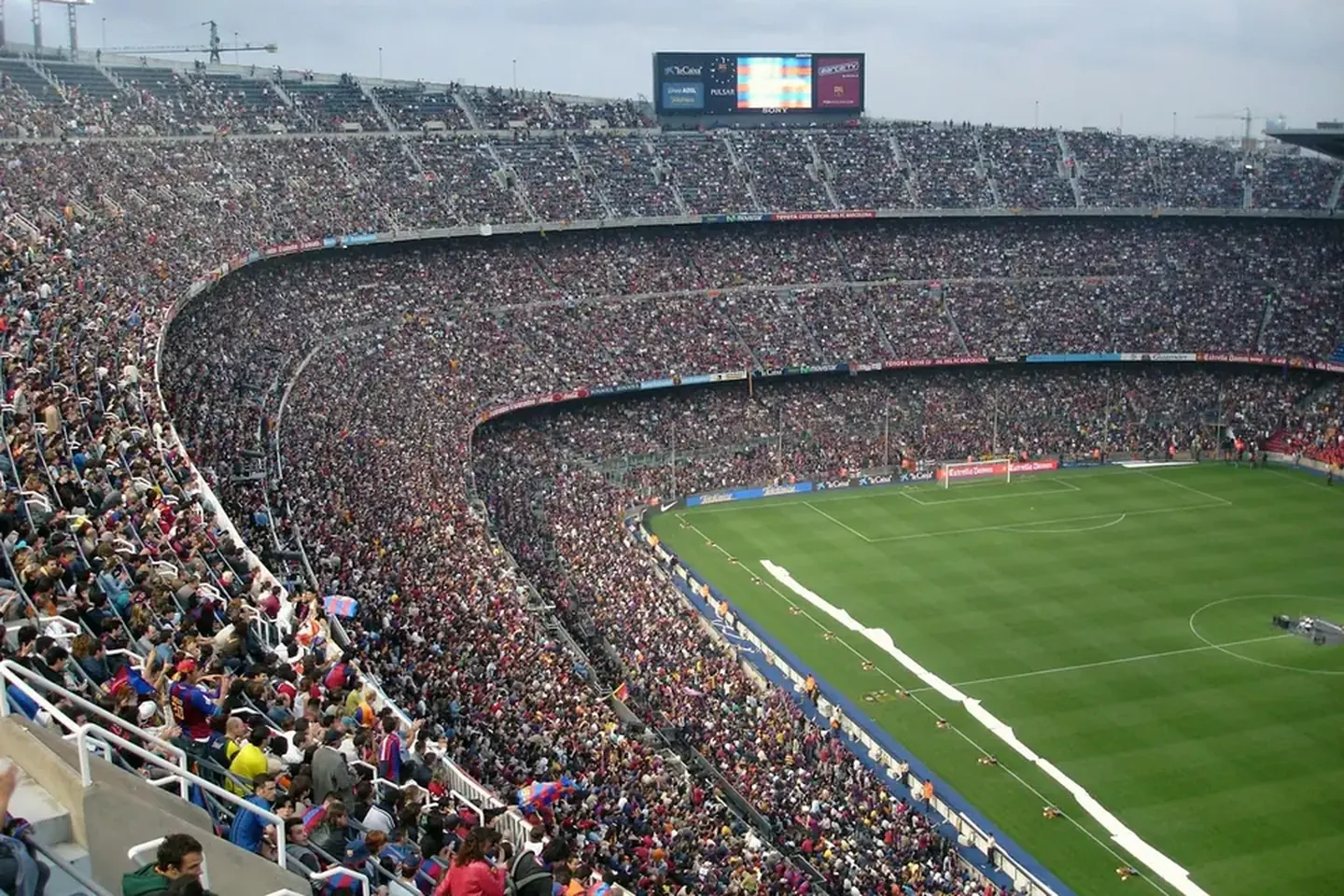
With their first pick at 17, Geelong selected a medium-sized midfielder/forward who had been on their radar for months. This player—let's call him "Player X" for now, though you'll know his name soon enough—was exactly the type of prospect the Cats love: clean hands, good decision-making, and a willingness to work defensively. He's not the flashiest player in the draft, but he's the kind who will play 200 games for the club. The Cats saw him as a future replacement for the aging midfield brigade, someone who could learn from Dangerfield and eventually take on a bigger role.
Pick 28: The Steal
This is where the Cats' patience paid off. At pick 28, a player who had been projected to go in the late teens was still available. Geelong didn't hesitate. This was a tall, athletic key defender with intercept marking ability—exactly what the Cats need as they plan for life after their current defensive stalwarts. The player had slipped due to a perceived lack of polish, but Geelong's development program is renowned for ironing out those rough edges. The GMHBA Stadium redevelopment, with its upgraded training facilities, will only accelerate his development.
Pick 42: The Project
Later in the draft, the Cats took a calculated risk on a raw but talented ruckman/forward. At 200cm and still growing, this kid has the physical tools to be a monster in the AFL. He's raw—there's no denying that—but the Cats have a track record of developing big men. He'll spend significant time in the Geelong VFL system, learning the craft and building his tank. The hope is that in two or three years, he'll be ready to support the senior ruck division.
Trade Activity
The Cats also made a shrewd trade, moving a future third-round pick to secure an additional selection in the 40s. This allowed them to draft a small forward with genuine pace—something the Cats have lacked in recent years. This player is ready to play from round one, providing immediate pressure in the forward line and potentially freeing up Hawkins for more one-on-one contests.
Rookie Selections
Geelong also used the rookie draft to add depth. They selected a mature-age VFL player who had dominated at that level, as well as a Category B rookie from a non-traditional football background. These are the kinds of moves that don't make headlines but can pay off handsomely. Remember, Tom Stewart was a rookie pick.
Results
Let's talk numbers, because that's where the rubber meets the road.
- Picks used in the national draft: 4 (picks 17, 28, 42, and the traded-in pick in the 40s)
- Rookie selections: 2
- Players drafted with top-20 pedigree: 1 (Pick 17)
- Players with VFL experience: 1 (the mature-age rookie)
- Players from interstate: 3 (the Cats have an excellent interstate recruitment record)
- Average age of draftees: 18.5 years (young, but with room to grow)
- Midfield depth: Check. The first pick is a genuine on-baller who can rotate forward.
- Key defensive cover: Check. The second pick is a tall defender who can play immediately.
- Ruck/future forward: Check. The project player has enormous upside.
- Small forward pressure: Check. The traded-in pick delivered exactly that.
In terms of immediate impact, at least two of these draftees are expected to push for senior selection in the 2025 AFL Season. The small forward and the key defender are both physically ready and have the skills to contribute. The others will need time, but the Cats have never been a club that rushes development.
So, what can we learn from Geelong's draft night performance?
1. Patience is a virtue, especially in the draft.
The Cats didn't panic when their preferred targets were taken earlier than expected. They stuck to their board and trusted their evaluation. In a draft class that was deep but not star-studded, that patience paid off handsomely.
2. Culture matters more than talent.
This is the Geelong way. The club drafted players who fit the culture, not just the stat sheet. The background checks, the character assessments, the interviews—all of it matters. The Cats know that a talented player with a poor attitude can destroy a locker room. They avoid those players at all costs.
3. Versatility is king.
Every player the Cats drafted can play multiple positions. In the modern AFL, where rotations are constant and injuries are inevitable, having players who can slot into different roles is invaluable. The Cats are building a squad of footballers, not specialists.
4. The VFL program is a secret weapon.
The Geelong VFL team is one of the best development programs in the Australian Football League. The Cats know that players drafted in the 40s and 50s can become stars if given the right environment. That's why they're not afraid to take project players—they trust their system.
5. The future is bright at Kardinia Park.
With the stadium upgrade nearing completion and a fresh crop of young talent coming through, the Cats are positioned for sustained success. The 2025 AFL Season might not be a premiership year, but the foundations are being laid for the next dynasty.
Draft night is ultimately about hope. Every club walks away believing they've found the next superstar, and Geelong is no different. But what sets the Cats apart is their track record. Year after year, they find value where others see risk. They develop players who become pillars of the club. And they do it all without sacrificing their identity.
The 2024 AFL Draft was a masterclass in patience, strategy, and cultural fit. The Cats didn't make headlines with flashy trades or bold moves. Instead, they quietly added four players who will become part of the fabric of the club. In two or three years, when these draftees are lining up alongside Dangerfield, Hawkins, and the next generation of Cats, we'll look back at this draft as the moment the torch was passed.
For Geelong fans, the message is simple: trust the process. The 2025 AFL Season might bring its share of ups and downs, but the future at Kardinia Park has never looked brighter. The Cats are reloading, and they're doing it the Geelong way.
Want more draft analysis? Check out our Season Previews for a full breakdown of the 2025 campaign, or dive into our Stats and Analytics Deep Dive for the numbers behind the picks. And don't forget to keep an eye on our Young Guns Watch as these draftees develop throughout the season.
Reader Comments (0)