

Let’s be honest—draft night is one of the most exciting times of the AFL calendar. For Geelong Cats fans, it’s a mix of hope, nervous energy, and that quiet confidence that comes from knowing your club has a knack for finding diamonds in the rough. Over the years, the Cats have built their dynasty not just through free agency or trades, but through shrewd selections in the AFL Draft. From future Hall of Famers to late-round steals, Geelong’s draft history is a masterclass in talent identification.
In this guide, we’ll walk through the key eras, the biggest hits, the occasional misses, and the philosophy that has kept the Cats competitive for two decades. Whether you’re a new fan trying to understand how the team came together or a seasoned supporter reliving the glory, this is your complete look at Geelong’s draft story.
Why the Draft Matters for Geelong
Before we dive into specific picks, let’s talk about why the AFL Draft is so critical for a club like Geelong. Unlike some Victorian powerhouses that can rely on free agency magnets, the Cats have always done their best work on draft night. Kardinia Park might not be the biggest stage, but it’s become a breeding ground for champions.
The draft is where you build your core. It’s where you find the Joel Selwoods, the Tom Hawkins, and the Patrick Dangerfields of the world. It’s also where you find the role players who become legends in their own right. For Geelong, the draft isn’t just about filling holes—it’s about maintaining a culture of excellence.
If you’re new to the Cats, you might want to start with our getting started guide to understand the club’s foundation. But if you’re ready to dig into the picks, let’s go.
The Early Years: Building the Foundation (1990s–2004)
Geelong’s modern draft success didn’t happen overnight. The late 1990s and early 2000s were a period of rebuilding, and the Cats made some picks that would define the next decade.
The 1999 Draft: A Turning Point
The 1999 AFL Draft is often cited as the moment Geelong’s fortunes shifted. With pick 7, the Cats selected Joel Corey, a midfielder who would go on to play 266 games and win two flags. But the real story was later in the draft. With pick 31, Geelong grabbed Cameron Ling, a tough-as-nails midfielder who would captain the club to the 2011 AFL Premiership. Ling wasn’t flashy, but he was the heart and soul of the team.
Then there was pick 40: Paul Chapman. Chapman was a late-round steal who became one of the most clutch players in Geelong history. His Norm Smith Medal in the 2009 AFL Grand Final is still talked about today.
The 2001 Draft: The Core Arrives
If 1999 was the appetizer, 2001 was the main course. With pick 7, the Cats selected Jimmy Bartel. Bartel would go on to win the Brownlow Medal in 2007 and play a key role in three premierships. But the real gem came at pick 17: Steve Johnson. Johnson was a mercurial forward who could turn a game on its head. His 2007 AFL Grand Final performance was nothing short of spectacular.
And let’s not forget pick 41: Andrew Mackie. Mackie became a reliable defender and played 280 games. The 2001 draft essentially gave Geelong the spine of its 2007–2011 dynasty.
The 2004 Draft: Adding the Finishing Touches
By 2004, Geelong was on the cusp of greatness. With pick 7, they selected Tom Hawkins—a name that needs no introduction. Hawkins has become one of the most dominant forwards of his generation, and his consistency is unmatched. At pick 15, the Cats also grabbed Travis Varcoe, who added speed and flair to the forward line.
The Golden Era: 2007–2011 Drafts
This period is where Geelong’s drafting became legendary. The Cats were already a powerhouse, but they managed to keep reloading through the draft.
The 2007 Draft: Stealing Joel Selwood
Here’s a story every Cats fan loves. In the 2007 AFL Draft, Geelong had pick 7. Most experts expected them to take a tall defender. Instead, they selected Joel Selwood—a tough, courageous midfielder from Bendigo. Selwood would go on to become the club’s greatest captain, winning four premierships and three All-Australian selections.
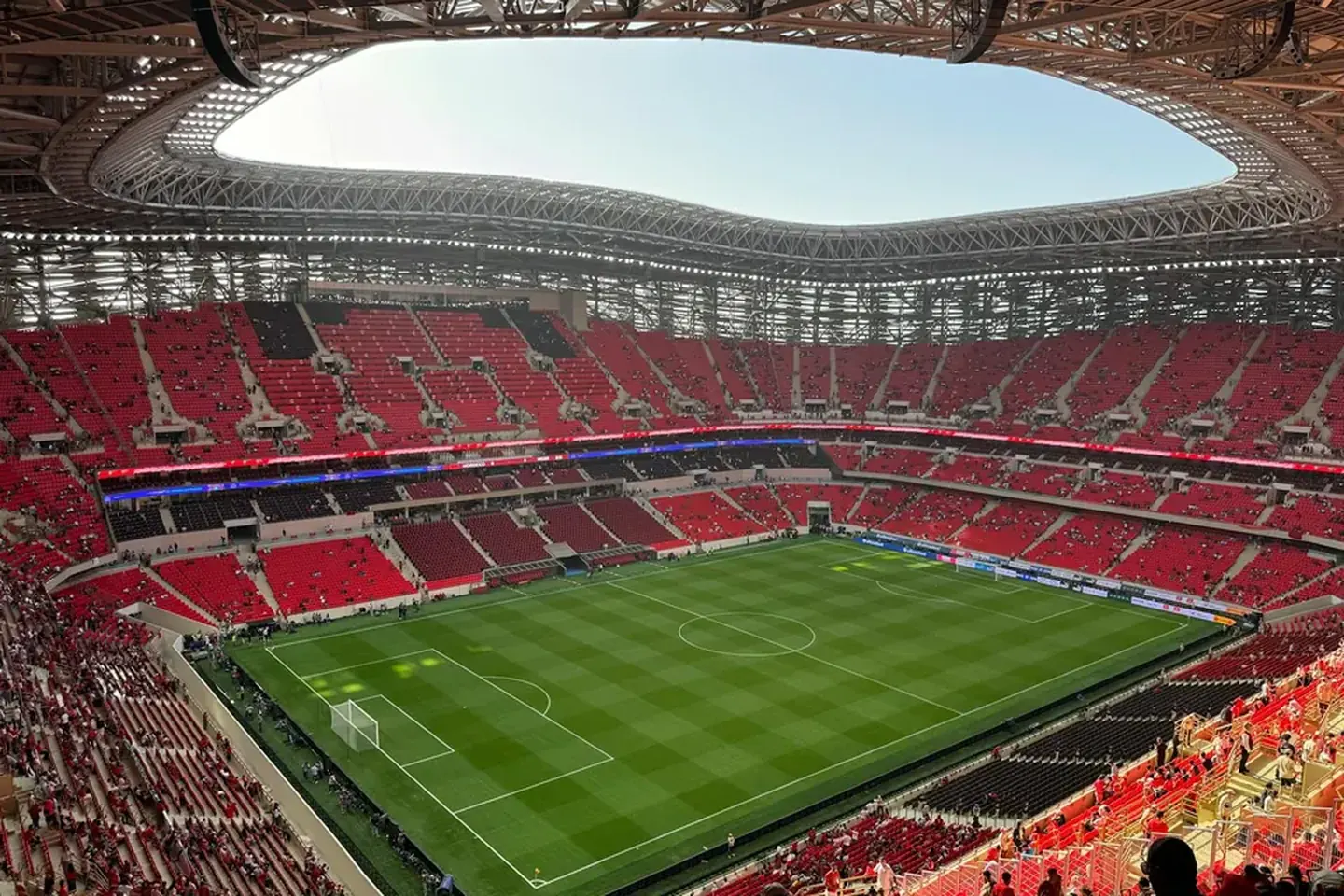
What makes this pick even sweeter is that Selwood was considered a risk due to injury concerns. Geelong’s recruiting team saw past that and landed a generational leader.
The 2009 Draft: The Next Wave
With the 2009 draft, Geelong added depth. Pick 26 gave them Allen Christensen, who played a key role in the 2011 flag. But the real story was pick 42: Mitch Duncan. Duncan has been a model of consistency, playing over 300 games and becoming a reliable midfielder. He’s the kind of player every team needs.
The 2011 Draft: Finding Gems Late
After winning the 2011 AFL Premiership, the Cats had late picks. But they still found value. Pick 49 gave them Josh Caddy, who would later become a key midfielder in the 2022 premiership. Pick 68 was Jake Kolodjashnij, a defender who has been a rock in the backline.
The Modern Era: 2015–2024
As the golden generation aged, Geelong had to reinvent its drafting strategy. The focus shifted to finding players who could contribute immediately while also planning for the future.
The 2015 Draft: The Dangerfield Trade Effect
The 2015 draft was heavily influenced by the Patrick Dangerfield trade. Geelong gave up pick 9 to secure Dangerfield, but they still managed to find talent. With pick 34, they selected Tom Stewart—a mature-age recruit from the Geelong VFL. Stewart has become one of the best defenders in the AFL, winning multiple All-Australian selections. It’s a testament to the club’s ability to find talent anywhere.
The 2017 Draft: Building for the Future
The 2017 draft was all about the future. With pick 15, the Cats selected Brandan Parfitt, a midfielder who has become a reliable contributor. But the real gem was pick 22: Jack Henry. Henry has developed into one of the most versatile defenders in the AFL, capable of playing on talls and smalls.
The 2019 Draft: The Next Generation
By 2019, Geelong was preparing for life after Selwood and Hawkins. With pick 17, they selected Sam De Koning, a tall defender who has shown immense promise. At pick 24, they grabbed Cooper Stephens, who has battled injuries but has the potential to be a star.
The 2021 Draft: A New Core
The 2021 draft was a statement of intent. With pick 22, the Cats selected Toby Conway, a ruckman who is being groomed as the successor to Rhys Stanley. Pick 30 gave them Ollie Dempsey, a versatile mid-forward who has shown flashes of brilliance.
The Philosophy: Why Geelong Drafts Differently
So, what’s the secret to Geelong’s draft success? It’s not luck—it’s a philosophy.
1. Character Over Flash
Geelong prioritizes players with strong character. They want leaders, not just athletes. This is why Joel Selwood and Tom Hawkins were such high priorities. The club knows that culture wins flags.
2. Mature-Age Recruits
The Cats are famous for finding players in the Geelong VFL or other state leagues. Tom Stewart is the prime example. This approach allows them to draft players who are ready to contribute immediately.
3. Positional Flexibility
Geelong loves players who can play multiple positions. Mark Blicavs is the ultimate example—he started as a middle-distance runner and became a ruckman/defender. This flexibility is crucial in modern AFL.
4. The Kardinia Park Factor
Playing at Kardinia Park is unique. The ground is narrower than the MCG, so Geelong looks for players who excel in tight spaces. This is why they’ve historically valued clean hands and strong decision-making.
Notable Draft Hits and Misses
No club is perfect, and Geelong has had its share of draft misses. But the hits far outweigh the misses.
The Hits
- Joel Selwood (2007, pick 7) : The greatest captain in club history.
- Tom Hawkins (2004, pick 7) : A goal-kicking machine.
- Patrick Dangerfield (2015, trade) : The 2016 Brownlow Medalist.
- Tom Stewart (2015, pick 34) : A steal from the VFL.
- Cameron Ling (1999, pick 31) : A premiership captain.
The Misses
- Nathan Vardy (2010, pick 42) : Showed promise but never fully delivered.
- Josh Walker (2011, pick 44) : Had moments but was inconsistent.
- Billie Smedts (2010, pick 15) : A first-round pick that didn’t pan out.
Practical Tips for Following the Draft
If you’re a new fan, here’s how to get the most out of draft night.
1. Watch the Combine
The AFL Draft Combine gives you a glimpse into the athleticism of potential picks. Pay attention to the 20-meter sprint and agility tests—Geelong loves players with speed and agility.
2. Follow the Geelong VFL
The Cats often draft players from their own VFL team. Keep an eye on the reserves—you might spot a future star before they’re drafted.
3. Understand the Trade Period
Trades can shake up the draft order. The Cats have been aggressive in recent years, trading future picks to move up the order. This is something to watch.
4. Trust the Process
Geelong’s recruiting team has earned the benefit of the doubt. Even if a pick seems strange at the time, trust that they’ve done their homework.
The Future: What’s Next for the Cats?
As we look ahead to the 2025 AFL Season, the draft remains a priority. The Cats have a solid core of young players, but they’ll need to keep adding talent to remain competitive. With Chris Scott at the helm, the club’s focus on culture and development will continue.
If you have questions about specific picks or want to know more about the draft process, check out our fan questions answered guide. And if you’re interested in the milestones that have defined this club, our fan milestones page is a great read.
Conclusion: The Draft is the Heartbeat of Geelong
The Geelong Cats AFL Draft history is a story of smart decisions, patient development, and a little bit of luck. From the early days of Joel Corey to the modern era of Tom Stewart, the Cats have shown that you don’t need high picks to build a champion team. You need vision, character, and a commitment to the process.
So the next time you watch the draft, remember: you’re not just watching picks. You’re watching the future of the Geelong Cats unfold. And if history is any guide, that future is bright.
Go Cats!
Reader Comments (0)